
The contemporary debate over whether the United States is “running out of munitions,” though can be reduced to a narrow question of inventory, reflects a deeper structural tension within American military doctrine and defense industrial strategy. Since the Cold War, U.S. strategy has rested on the premise that technological superiority would enable swift and decisive victories at relatively low material cost. This paradigm, reinforced by the apparent success of campaigns such as the Iraq War, encouraged a defense industrial model optimized for efficiency and limited production rather than sustained wartime output. Yet the emerging dynamics of high-intensity conflict—most notably in the context of the 2026 war with Iran—are exposing the limits of this approach. What is now becoming evident is not merely a temporary strain on U.S. stockpiles, but a more profound strategic recalibration: a return to the logic of industrialized warfare characteristic of the World War II, in which economic mobilization and production capacity are once again central to military power, albeit now integrated with advanced technological systems.
At the operational level, the scale and velocity of munitions expenditures are striking. Multiple sources indicate that the United States has launched hundreds of Tomahawk missiles within the initial phase of the conflict, with some estimates surpassing 800 in a matter of weeks. Such usage rates may correspond to several years of pre-war production being consumed in a single month, given historically modest output levels. Similarly, advanced munitions inventories are being “burned through” at a pace that raises concerns about sustainability across multiple theaters. These data points underscore a central analytical conclusion: the tempo of modern warfare has outpaced the industrial assumptions underlying U.S. force planning.
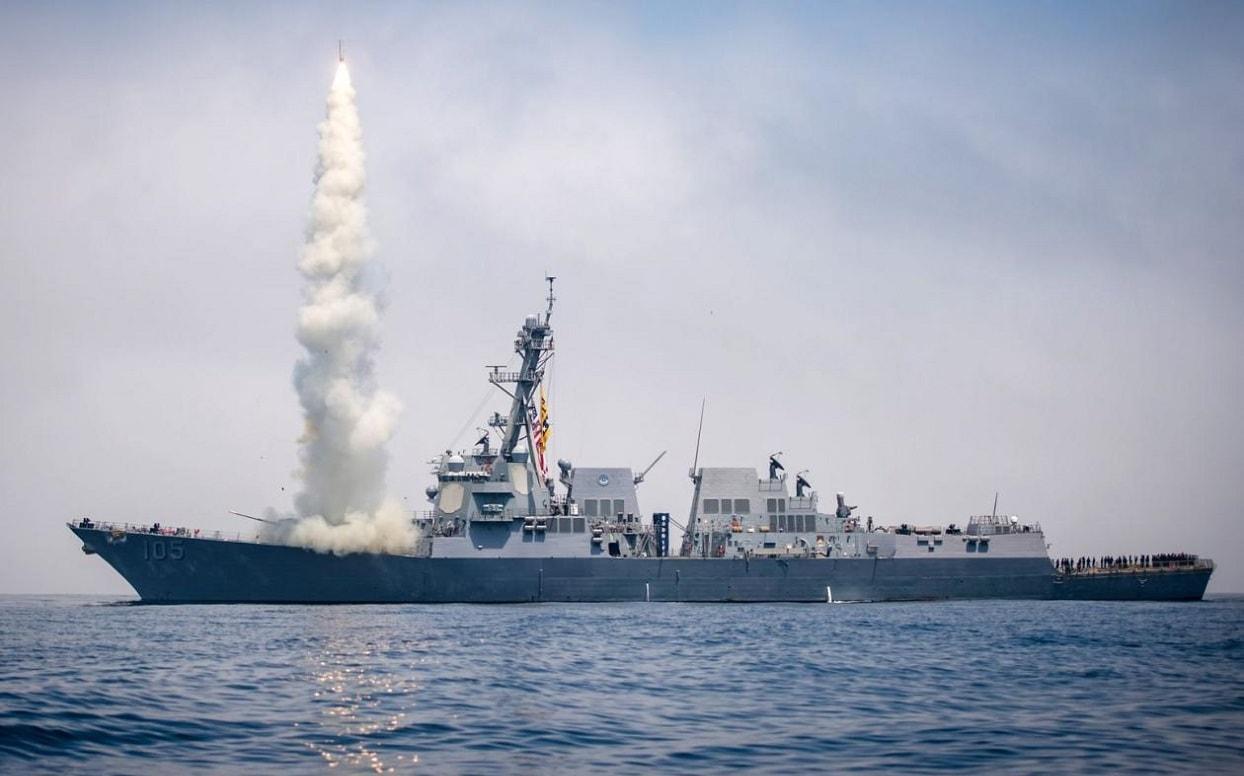
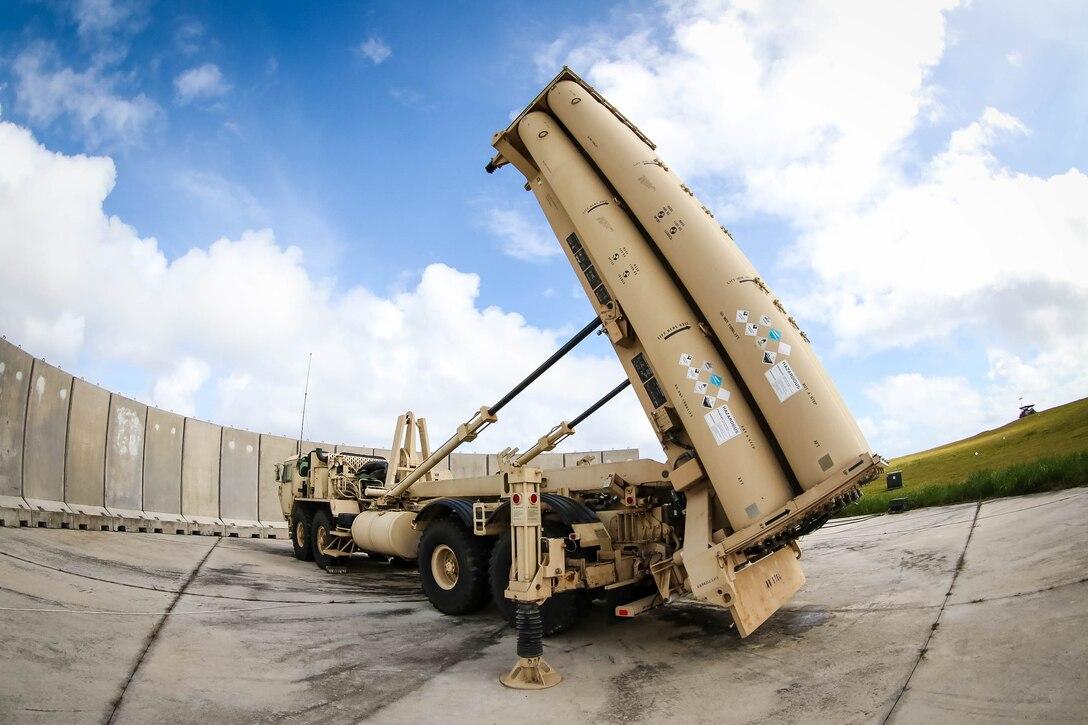
The strain on U.S. and allied air and missile defense systems has become particularly acute in the current high-intensity threat environment. Advanced systems such as the MIM-104 Patriot and the THAAD are being deployed and operated at unusually high tempos to counter sustained volleys of ballistic missiles, cruise missiles, and one-way attack drones. Intercept doctrine typically requires firing more than one interceptor per incoming threat—often two or even three missiles to ensure a high probability of kill—significantly accelerating expenditure rates. This dynamic underpins what analysts describe as a “race of attrition,” in which defensive systems consume interceptors faster than adversaries expend offensive munitions.
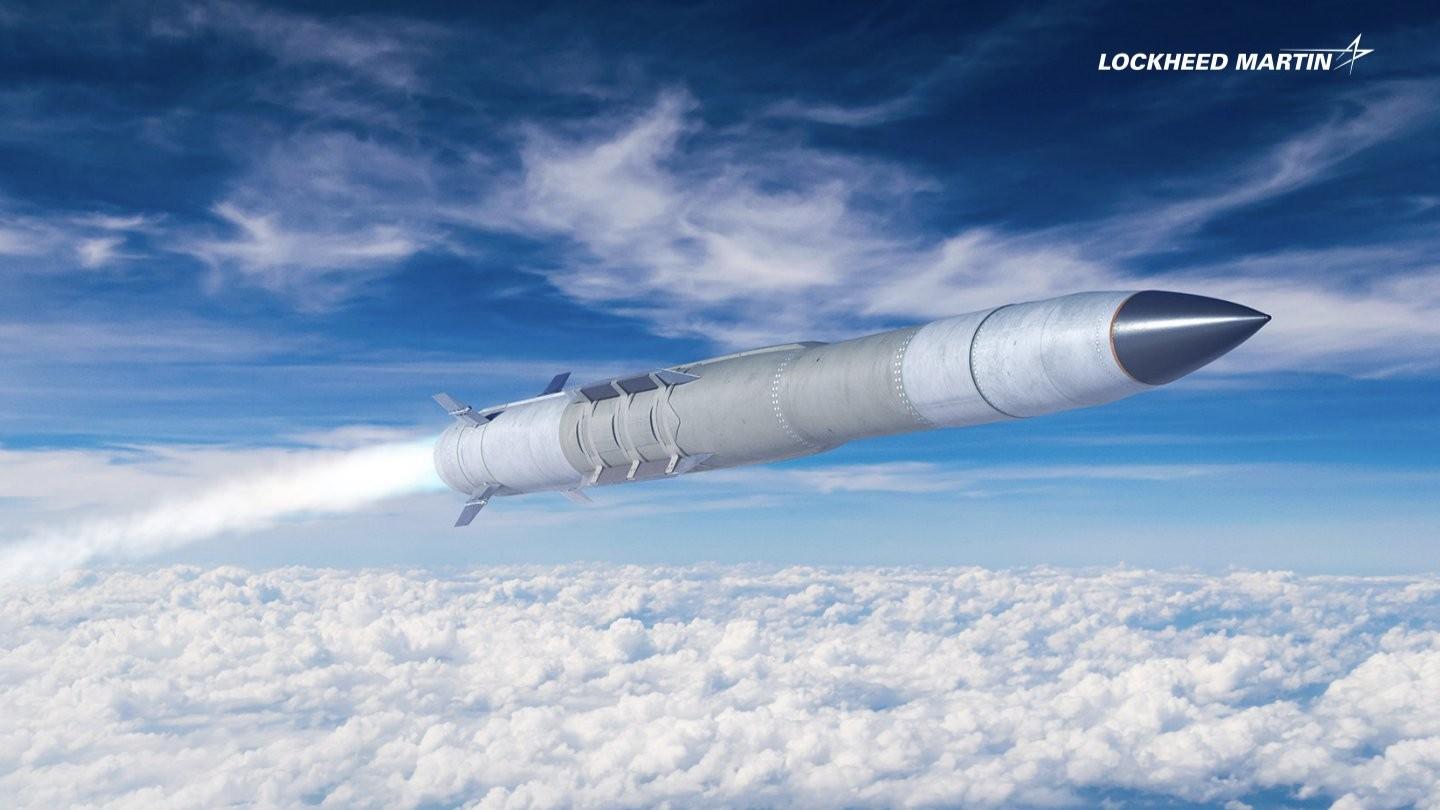
The cost-exchange ratio is structurally unfavorable to the defender. A single Patriot interceptor (PAC-3 MSE) is estimated to cost approximately $4 million per unit, based on recent U.S. Army contracts. By contrast, many of the threats they intercept—such as loitering munitions or low-cost drones—can cost as little as $1,000–$100,000 depending on configuration. This asymmetry allows relatively inexpensive offensive systems to impose disproportionate economic and productive strain on high-value defensive inventories, especially under conditions of sustained saturation attacks.
Operational data and procurement figures further highlight the imbalance between consumption and production. The U.S. Army has procured roughly 200–300 PAC-3 MSE interceptors annually in recent years, with deliveries such as 214 in FY2025 and 230 in FY2024. Current production levels are estimated at around 600 interceptors per year, with plans to expand output to as many as 2,000 annually over the next seven years under new Pentagon–industry agreements. These expansion efforts are reflected in major contracts, including a $9.8 billion award for approximately 1,970 interceptors, underscoring both demand pressures and the scale of required replenishment.
Despite these increases, production remains constrained relative to potential wartime consumption. Under high-intensity attack conditions, interceptor expenditure can reach hundreds of rounds within days, rapidly depleting forward-deployed inventories—far outpacing monthly or even annual replenishment cycles. This lag between consumption and industrial throughput is further documented in reporting on efforts to expand production capacity.
The result is a classic manifestation of what defense analysts term a “magazine depth crisis.” The critical constraint is not the overall availability of funding or technology, but the rate at which interceptors can be produced, delivered, and reloaded relative to battlefield demand. In practical terms, even highly capable systems risk temporary depletion of ready-to-fire munitions, creating operational vulnerabilities despite maintaining broader tactical superiority.
At the structural level, these pressures should not be interpreted as indicators of systemic decline. The United States Department of War continues to command vast aggregate stockpiles, unrivaled technological sophistication, and a defense industrial base that remains without peer globally. The more accurate characterization is one of temporal disequilibrium: a structural mismatch between the accelerated consumption of munitions in high-intensity conflict and the comparatively slower cadence of industrial replenishment. This imbalance reflects not a deficit of capacity in absolute terms, but a lag in the system’s ability to synchronize production with the tempo of modern warfare.
Strategically, the implications of this shift are profound. The reassertion of industrial capacity as a central determinant of military power signals a transition toward a model of hybridized warfare, in which technological superiority and production scale are mutually reinforcing.
The strain on U.S. munitions inventories is increasingly raising concerns about broader force readiness, particularly in relation to high-end contingency scenarios involving China and Russia. Senior Pentagon officials and congressional reports have warned that sustained transfers of precision munitions to active conflict zones—combined with elevated operational usage—are drawing down stockpiles faster than they can be replenished. For instance, a Center for Strategic and International Studies (CSIS) analysis notes that key weapons such as long-range precision-guided munitions could be depleted within days or weeks in a high-intensity conflict in the Indo-Pacific, particularly in a Taiwan contingency scenario. The study highlights that the U.S. defense industrial base is not currently structured to sustain the consumption rates required for a protracted great-power conflict.
These concerns are further underscored by internal assessments within the U.S. Department of War. Defense planning and institutional reporting suggests that existing stockpiles of critical munitions—including long-range anti-ship missiles, air defense interceptors, and precision-strike weapons—are inadequate to sustain simultaneous or overlapping contingencies in Europe and the Indo-Pacific. Additional analyses have reached similar conclusions, warning that U.S. inventories of certain precision-guided munitions could be rapidly depleted in a major conflict with a peer adversary, with replenishment timelines likely extending into years rather than months. This strain is compounded by the requirement to uphold credible deterrence across multiple theaters, necessitating pre-positioned stockpiles that are increasingly under pressure.
The issue is particularly acute in the context of a potential conflict with China, where operational concepts rely heavily on large volumes of long-range precision strike capabilities. War game simulations conducted by CSIS indicate that in a Taiwan scenario, the United States could expend thousands of long-range missiles—such as anti-ship and land-attack systems—within the first weeks of conflict, significantly degrading its ability to sustain operations without rapid resupply. Similar concerns apply in the European theater vis-à-vis Russia, where ongoing support to Ukraine has already drawn down stocks of systems like Javelin anti-tank missiles and Stinger air defense systems, prompting urgent efforts to restart and expand production lines.
Taken together, these dynamics underscore a growing structural tension in U.S. defense planning: the need to sustain ongoing commitments while preserving readiness for large-scale conflict against peer adversaries. The combination of high consumption rates, limited industrial surge capacity, and multi-theater demands is forcing policymakers to reassess stockpile requirements, procurement strategies, and the overall resilience of the defense industrial base.
In response, the Pentagon has embarked on a series of large-scale, multi-year initiatives aimed at expanding missile and air defense production capacity, anchored in long-term contracting frameworks with major defense firms to stabilize demand signals and catalyze industrial investment. A cornerstone of this strategy is the expanded use of multi-year procurement (MYP) and block-buy contracts, which enable the Department of War to commit to substantial munitions volumes over extended periods. A salient example noted earlier in this article is the U.S. Army’s contract—valued at up to $9.8 billion—with Lockheed Martin for the production of approximately 1,970 PAC-3 MSE interceptors. By providing predictable, sustained demand, such agreements are designed to justify the expansion of production lines, reinforce supplier networks, and ultimately compress the lag between consumption and replenishment.
These initiatives are complemented by broader Pentagon efforts to scale the overall munitions industrial base. According to the U.S. Department of Defense, the FY2025 and FY2026 budget requests include billions of dollars specifically allocated to munitions production expansion, including funding under the Defense Production Act (DPA) to address critical bottlenecks in components such as rocket motors, microelectronics, and guidance systems. These investments are designed not only to increase final assembly output but also to reinforce upstream supply chains that have historically limited surge capacity.
A key constraint has been the production of critical subcomponents, particularly missile seekers and solid rocket motors. Seeker production—the manufacture of the missile’s terminal guidance systems that use onboard radar or infrared sensors to detect, track, and home in on targets in the final phase of flight—has become a particular bottleneck within the wider interceptor supply chain. To address this, the Pentagon has supported industrial partnerships involving firms such as Boeing and Lockheed Martin to significantly increase seeker production for PAC-3 MSE interceptors. Reporting indicates that these efforts aim to more than triple seeker output over the coming decade, though achieving this target requires sustained capital investment and workforce expansion.
In parallel, the Pentagon is also expanding production capacity for other critical munitions categories, including artillery shells and long-range precision weapons, as part of a broader strategy to prepare for protracted, high-intensity conflicts. For instance, U.S. plans aim to increase 155mm artillery shell production from approximately 28,000 rounds per month in 2023 to over 100,000 rounds per month by 2026, illustrating the scale of industrial mobilization underway. While distinct from missile defense, these efforts reflect the same structural challenge: the need to align industrial throughput with wartime consumption rates.
Collectively, these multi-year contracts and industrial investments are intended to reduce production volatility, secure supplier ecosystems, and mitigate long-standing bottlenecks in key components. However, such measures require time to yield results. Even under accelerated timelines, expanding production lines, qualifying new suppliers, and training specialized labor forces can take several years—meaning that, in the near term, output will likely remain constrained relative to potential demand in a high-intensity conflict scenario.
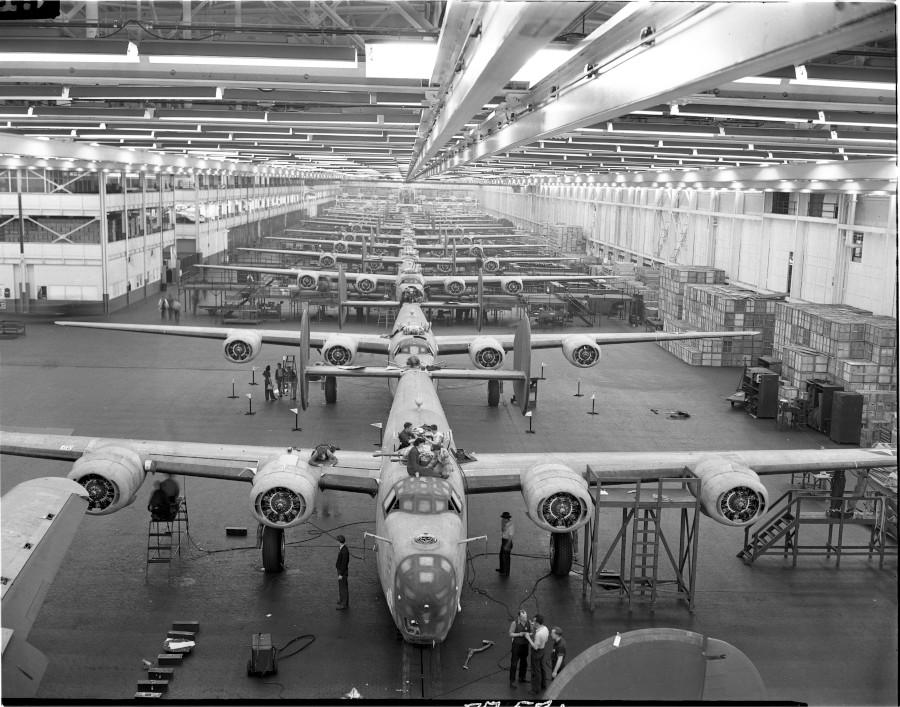
This evolving situation bears a notable—though not identical—resemblance to the United States’ experience during World War II. Under the leadership of Franklin D. Roosevelt, the U.S. economy was transformed into the “Arsenal of Democracy,” with civilian industries, including Ford Motor Company, repurposed for large-scale military production. The decisive advantage lay not merely in technological innovation, but in the ability to sustain overwhelming output over time. In contrast, the contemporary industrial environment is far more complex. Today’s defense production depends on globally integrated supply chains, advanced materials, and highly specialized manufacturing ecosystems, all of which constrain the speed of mobilization. Consequently, while the United States possesses the latent capacity to scale up production, the transition to a fully mobilized wartime economy is inherently more gradual and technologically demanding.
In this context, deterrence is no longer defined solely by the possession of advanced systems, but by the ability to sustain their use over prolonged periods. The war with Iran is likely to shape policy and decision-making in Washington in consequential ways. The evident gap between consumption and production is already informing debates over defense appropriations, industrial policy, and alliance coordination. Policymakers are increasingly compelled to consider measures such as accelerating defense manufacturing, strengthening supply chain resilience, and expanding cooperative production with allies. In this sense, the conflict is not only a test of military capability but also a catalyst for strategic transformation. It underscores a fundamental lesson—one that echoes the experience of World War II yet is adapted to the technological realities of the twenty-first century: that enduring military advantage depends not only on the sophistication of weapons systems, but on the capacity of the state and its economy to produce, sustain, and regenerate them at scale.