An NCSUAR Evening Reception Co-Hosted by Former Beatles Manager Peter Brown
by Paige Peterson and Dr. William Lawrence
National Council on U.S.-Arab Relations
The opening weeks of the United Nations General Assembly (UNGA) transform New York City into an intense global hub of high-stakes diplomacy. While formal speeches and intermittent drama percolate through the green-marbled halls of the UN Headquarters, the real work of softening ideological lines and building durable partnerships happens on the margins. During the 81st UN General Assembly, a culturally striking and diplomatically significant side event took place along Central Park West.
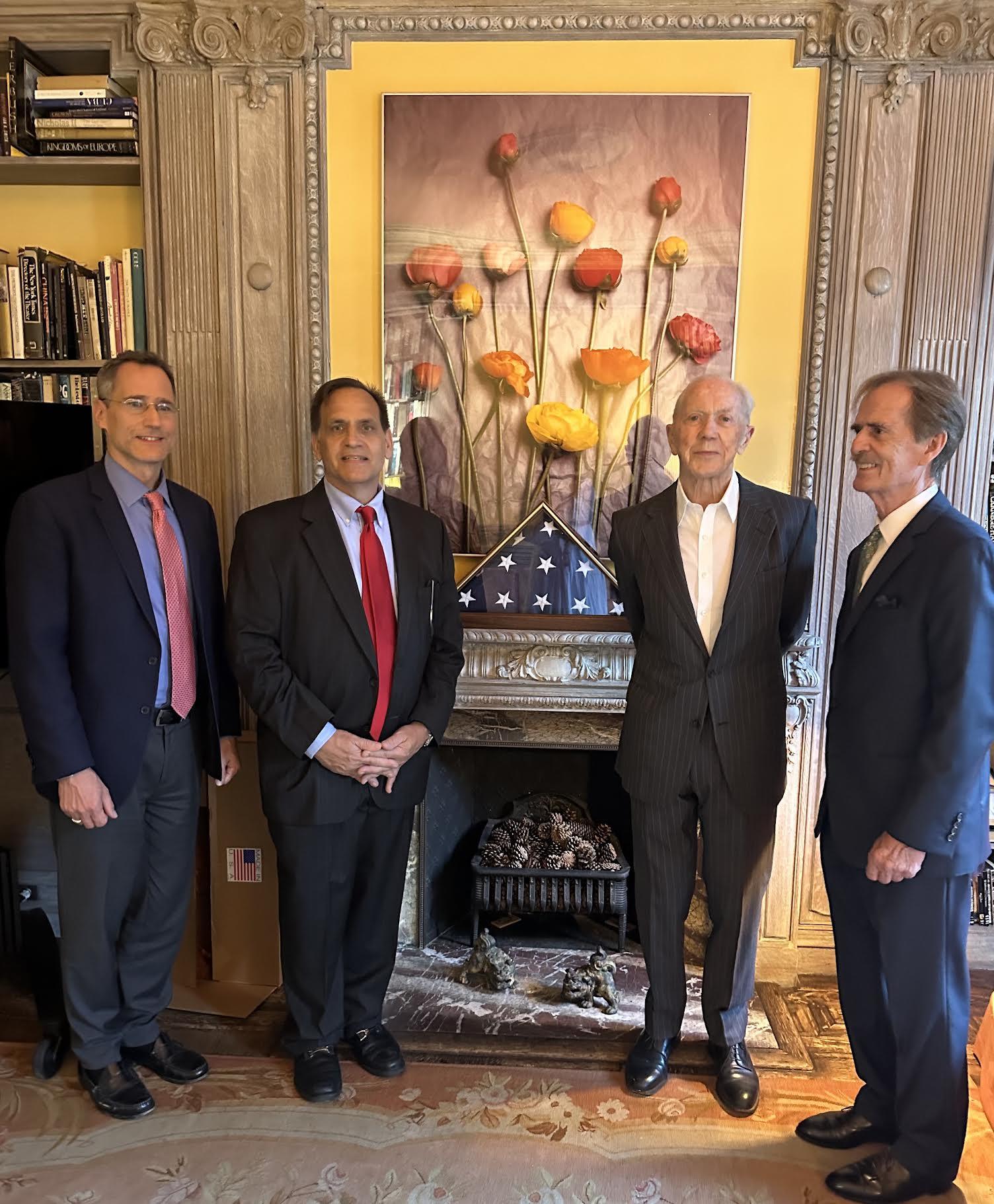
Organized by the National Council on U.S.-Arab Relations (NCUSAR) and co-hosted by legendary music executive and former Beatles manager Peter Brown with Council board member Paige Peterson, this third annual gathering on the sidelines of UNGA offered a masterclass in “soft-power diplomacy,” uniquely blending high-level Middle Eastern geopolitics with the legacy and iconography of Western pop culture.
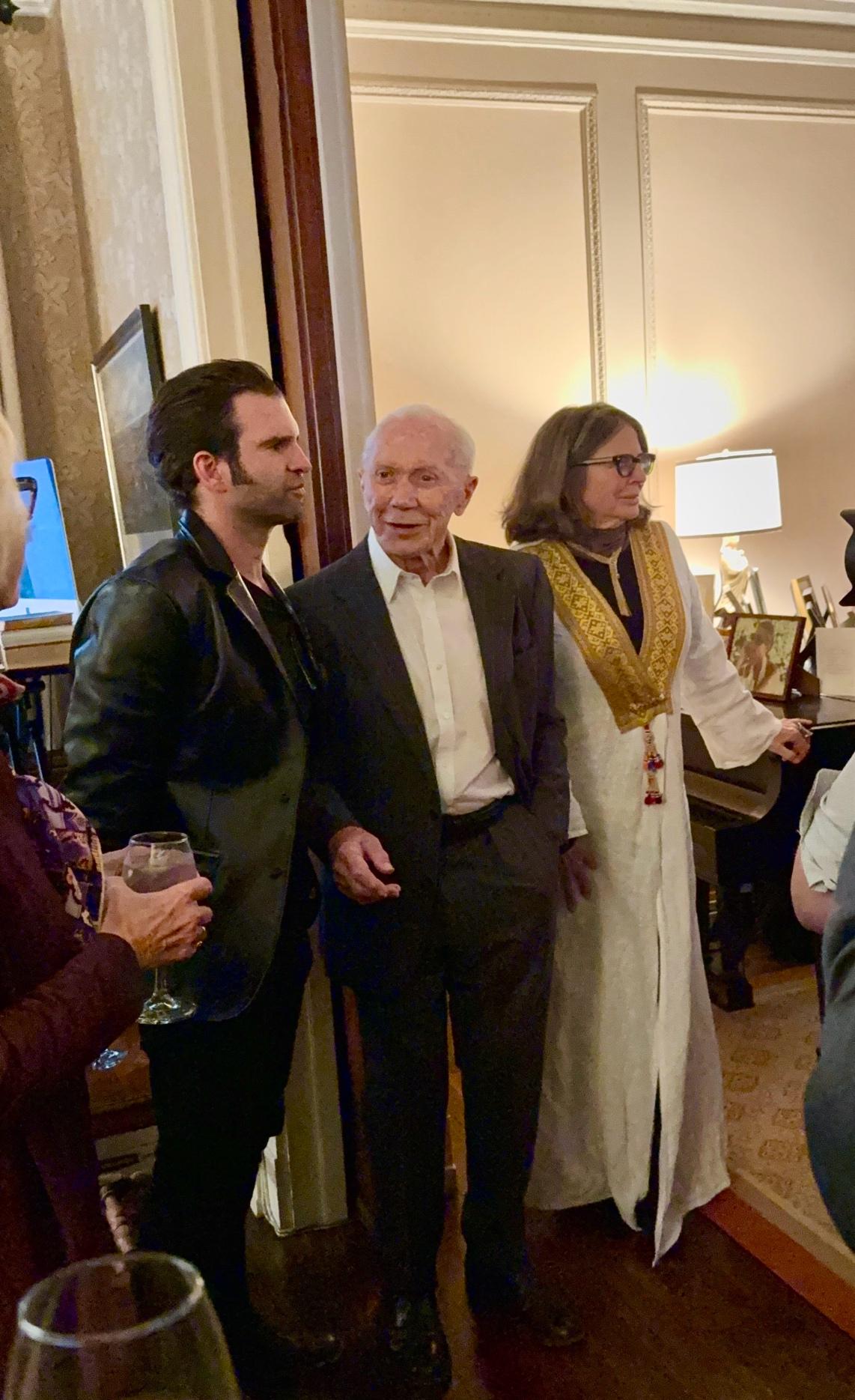

The presence of Peter Brown as a co-host immediately set this event apart from standard, dry receptions that dominate UNGA week. As the former director of Apple Corps and a close confidant to The Beatles, Brown knows how to captivate an audience and get things done. During the height of the Beatles fame, “The Ballad of John and Yoko” attests to Peter Brown’s ability to solve an international problem. The wildly popular 1969 track, one of the Beatles last releases, immortalized the evening’s host with the lyric, “Peter Brown called to say, ‘You can make it OK. You can get married in Gibraltar near Spain.’”
Just as “Beatlemania” bridged transatlantic and global divides in its time, modern diplomacy can use cultural bridges to heal contemporary fractures between East and West. Brown’s international career involved important roles in bridging East West divides, including his work in U.S.-Arab relations, highlighting a core theme of the evening, that international relations are not shaped solely by politicians and generals. Cultural icons, artists, and storytellers are essential in building the mutual trust necessary for the world to get along better.
The alliance between U.S. and Arab nations is in no way a marriage of convenience driven purely by mutual defense and energy markets. It is a 250-year legacy as old as the American experiment itself, beginning with America’s oldest treaty relationship with Morocco and its early recognition of the nascent United States just days after France in 1777. Following Operation Torch in 1942 and working with Arab soldiers to liberate their lands from the Nazis, the modern relationship is an 80-plus-year legacy rooted in the five Arab nations that helped create the United Nations: Saudi Arabia, Egypt, Lebanon, Iraq, and Syria.
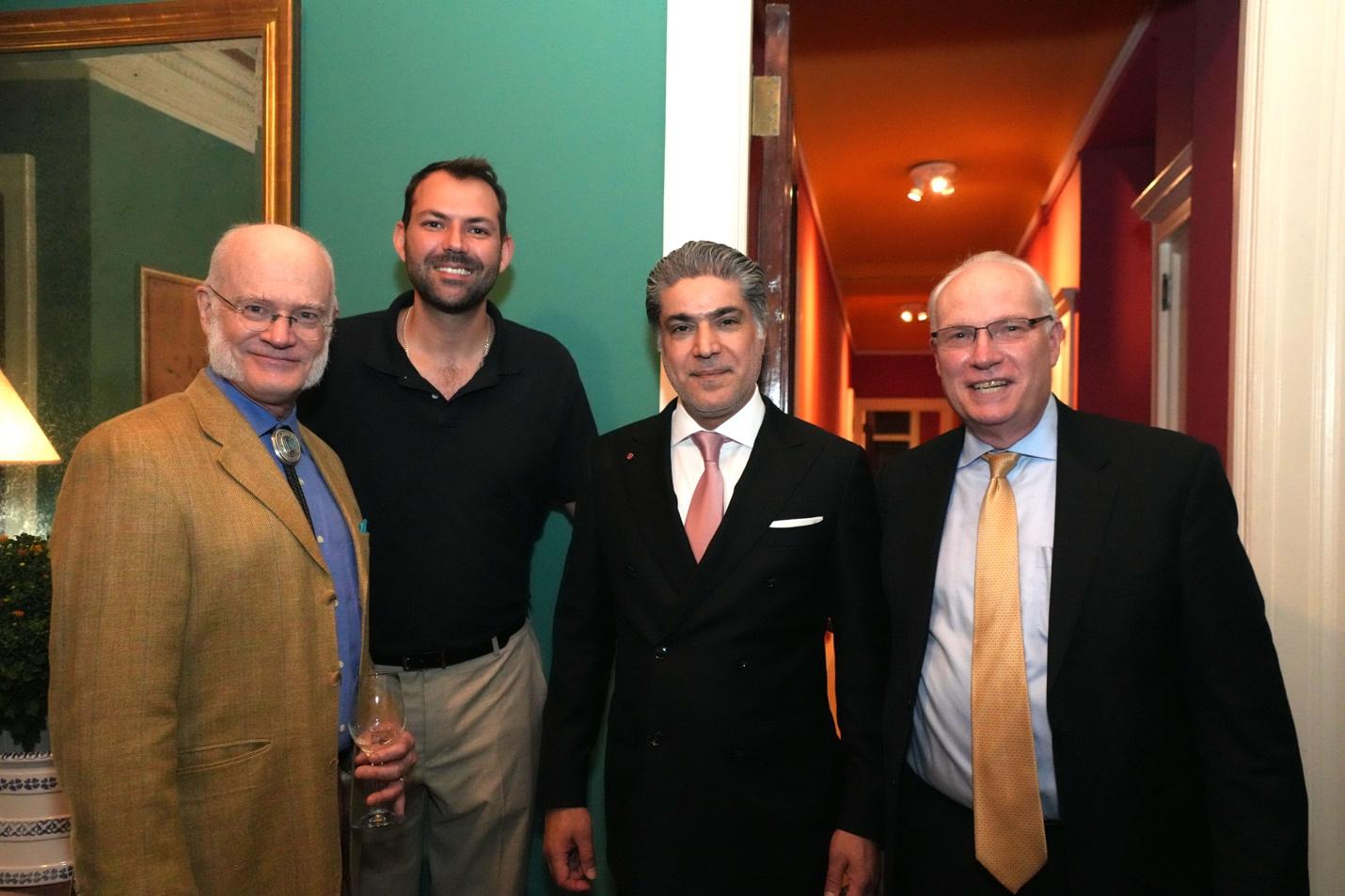

With midtown Manhattan paralyzed by motorcades and gridlock—with world leaders occasionally forced to abandon their black Suburbans and walk—Peter Brown’s apartment offered an oasis of calm. Looking out over the greenery of Central Park, the venue provided the literal and figurative breathing room needed for unscripted human connection. This setting allowed diplomats, opinion leaders, and cultural figures to let their guard down and engage in frank, off-the-record dialogue. Amidst the highest level of active global conflicts seen in decades, quiet conversations at this event offered a glimpse into the backchannel diplomacy working to restore stability around the world.
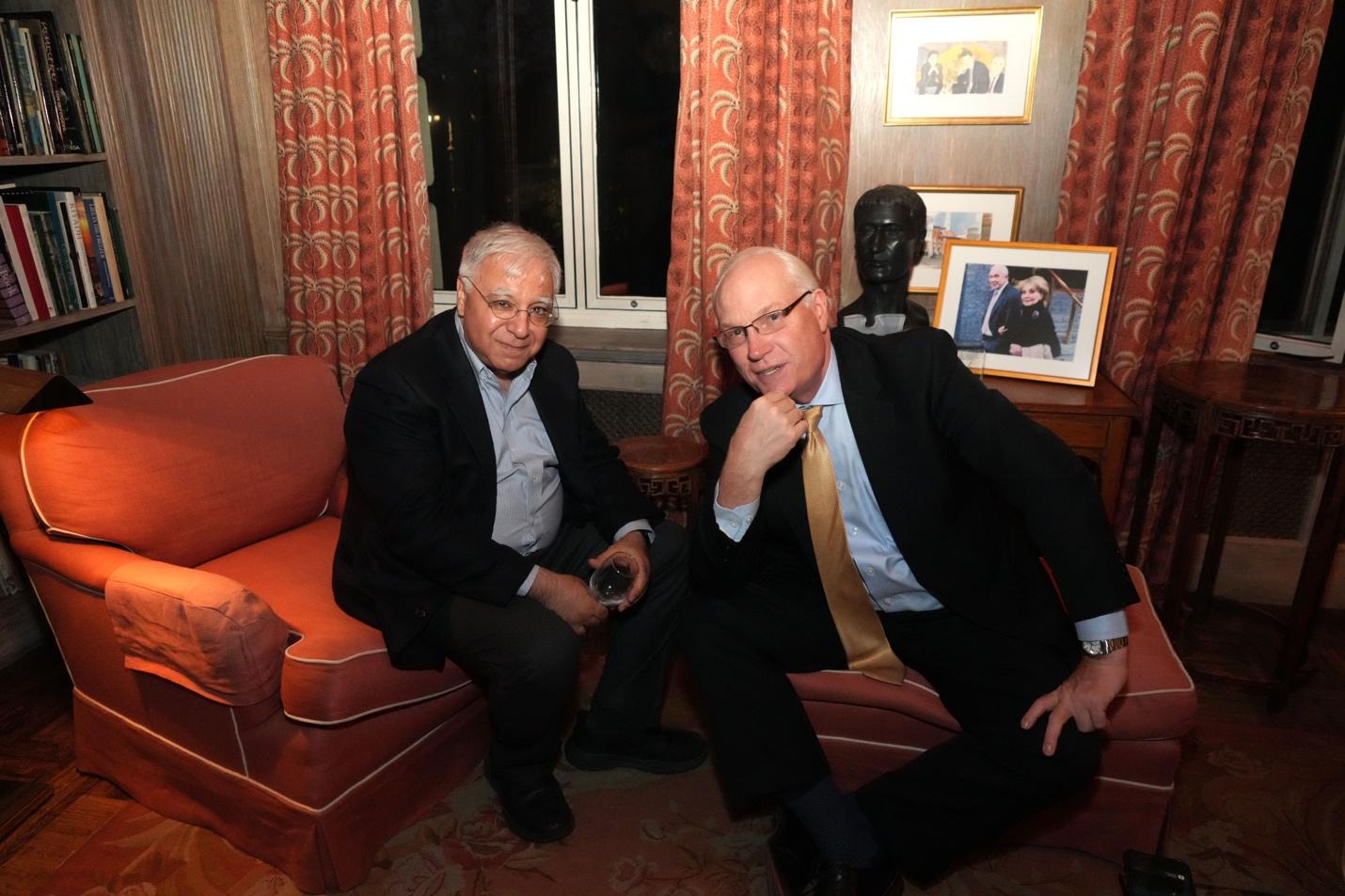

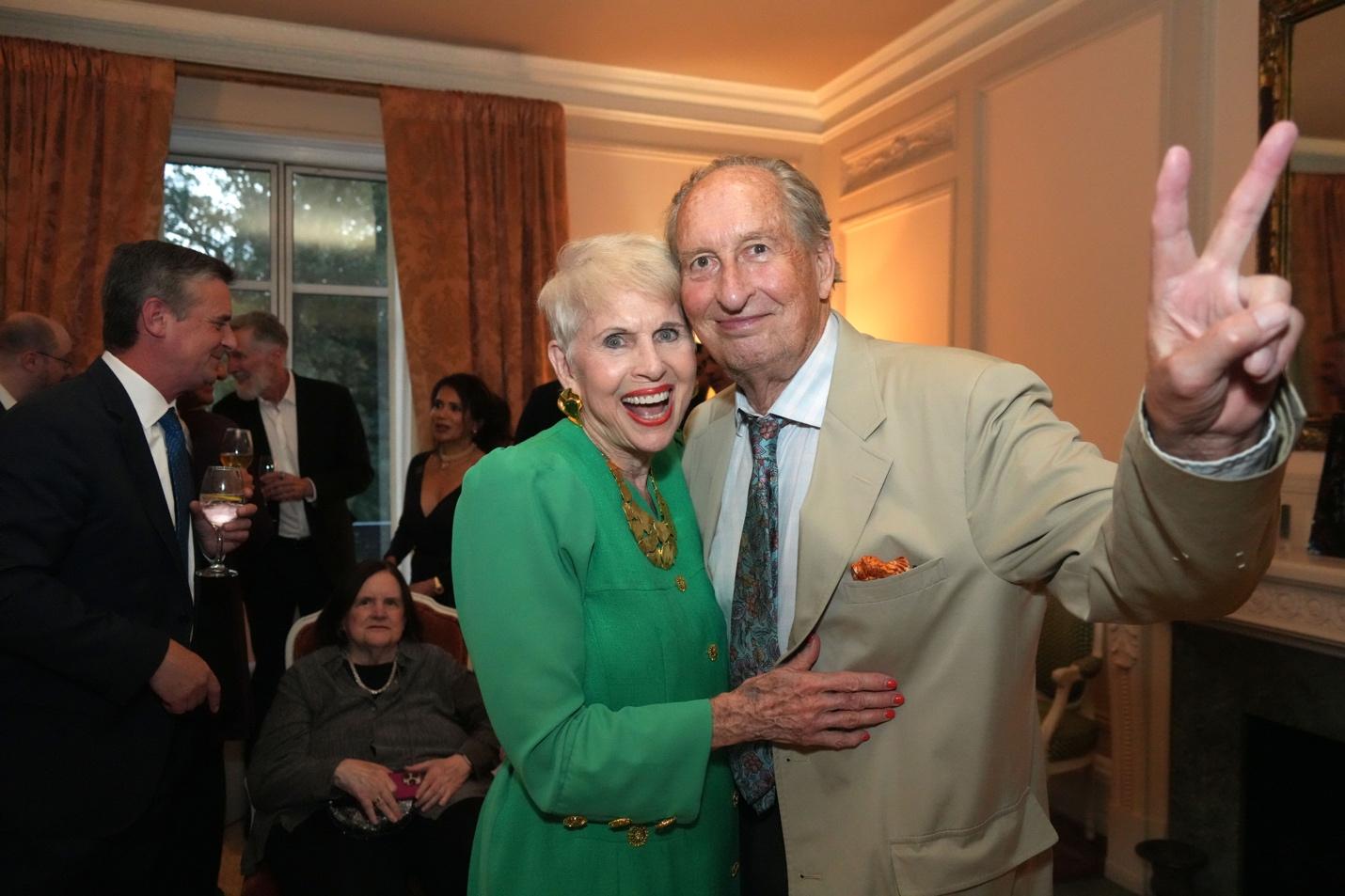
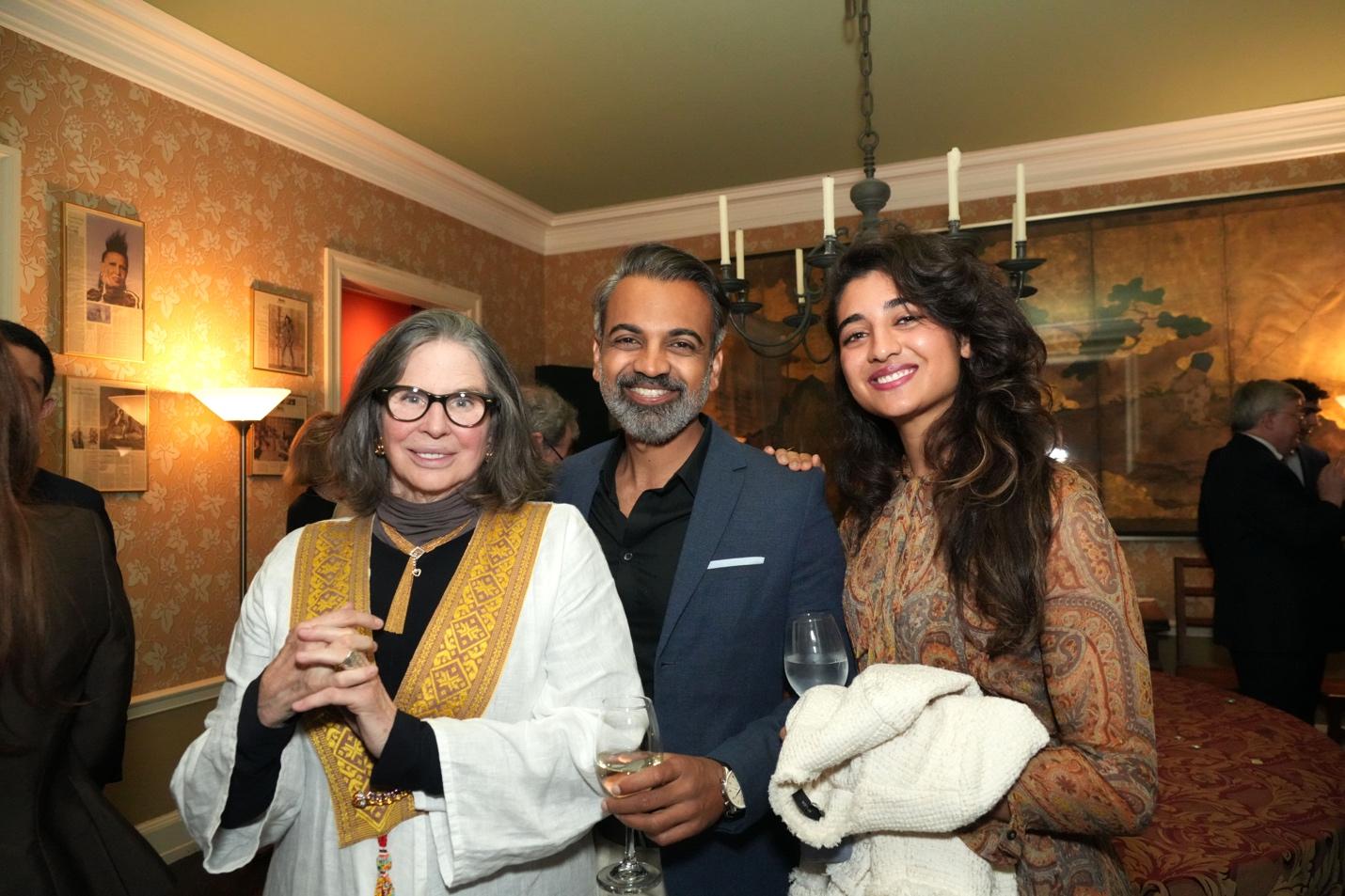
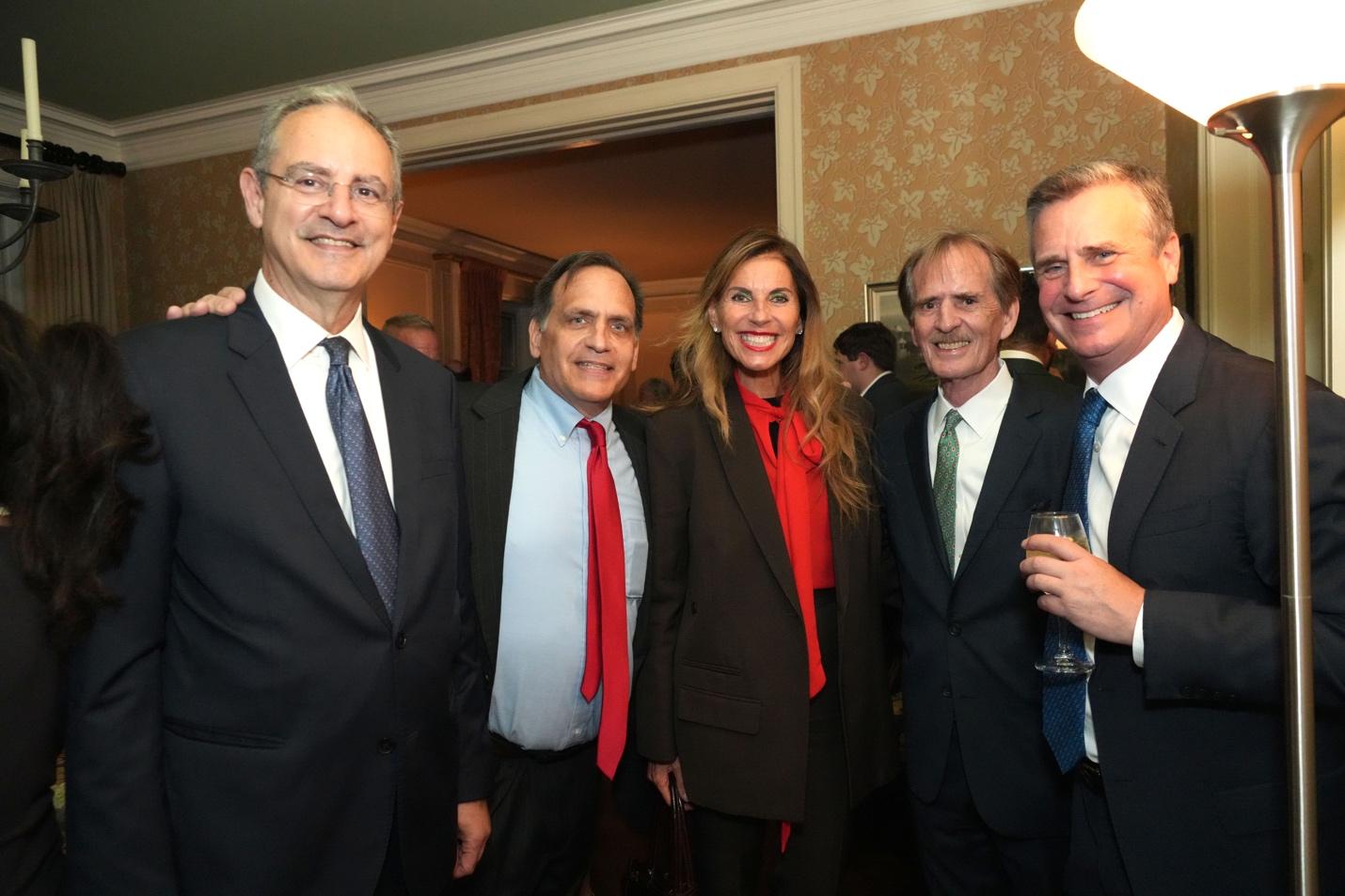
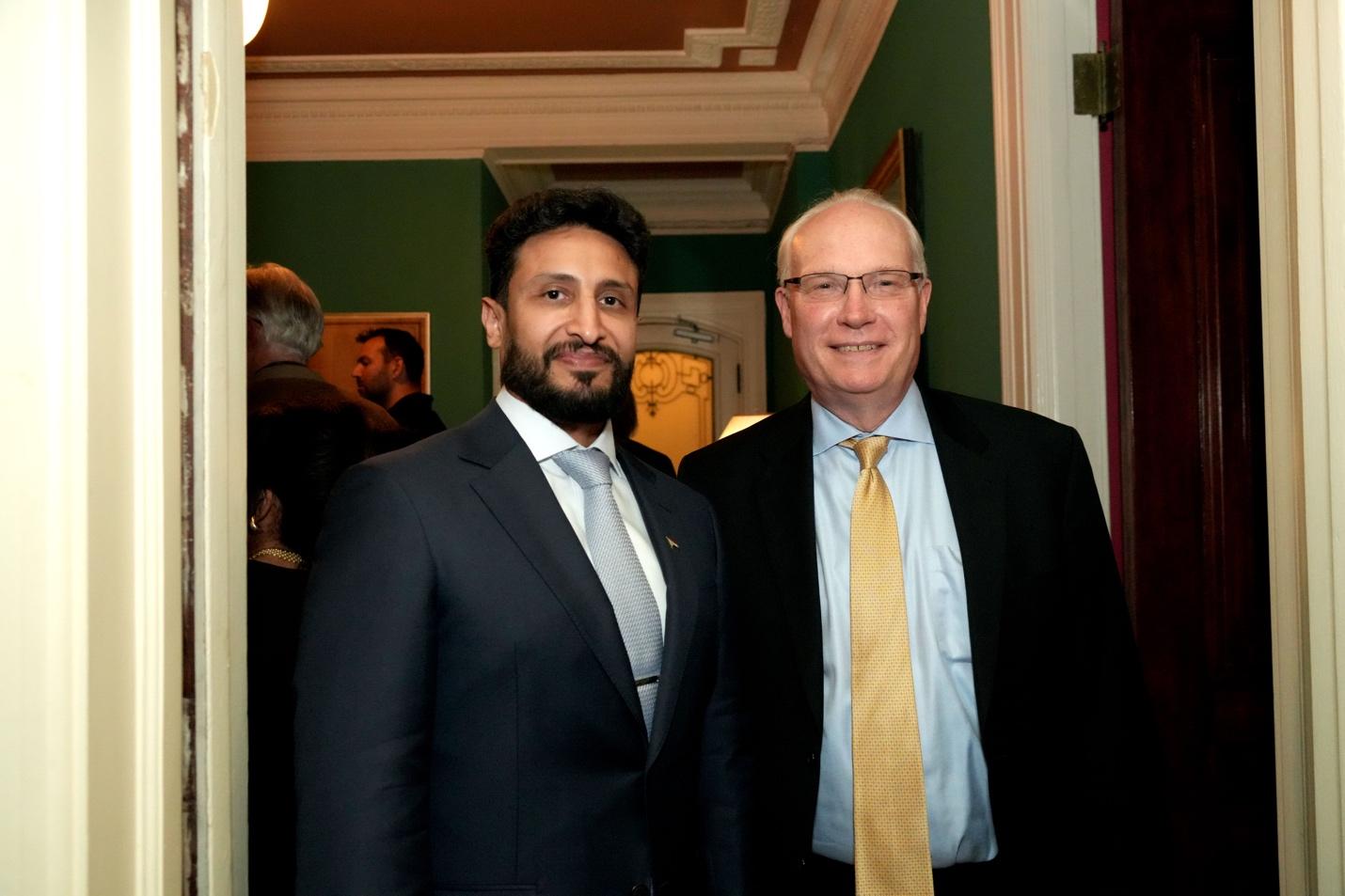
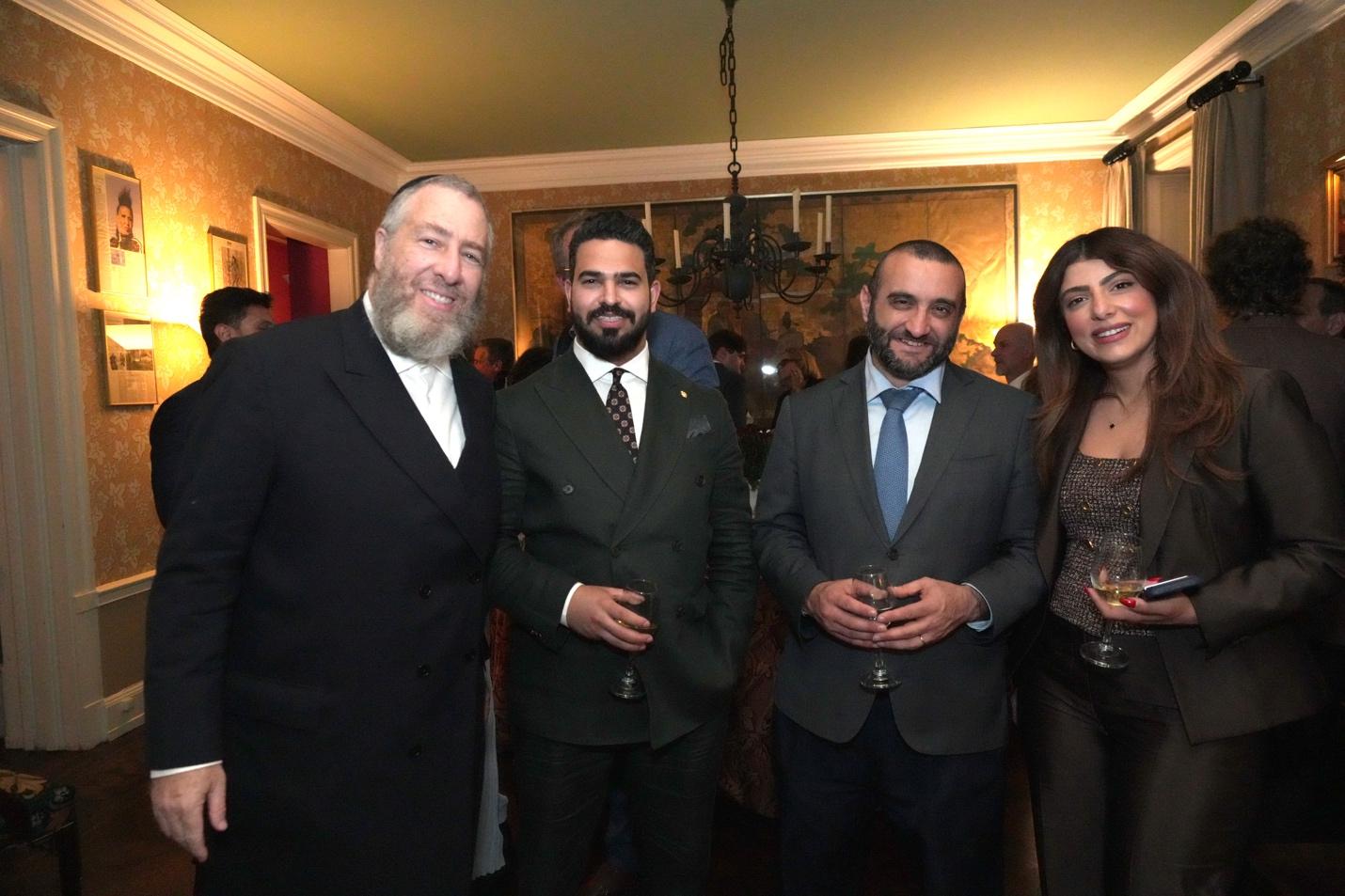
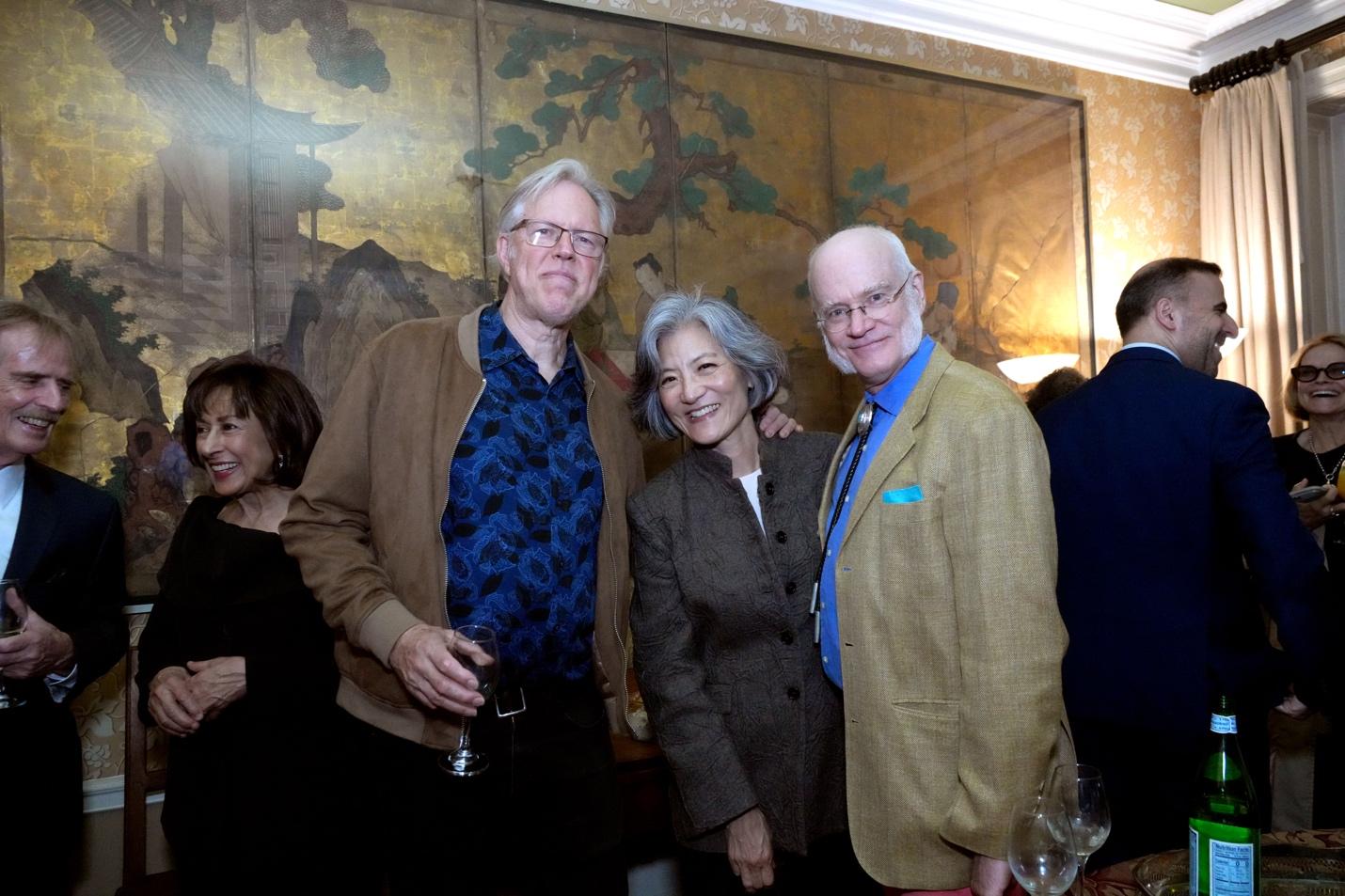
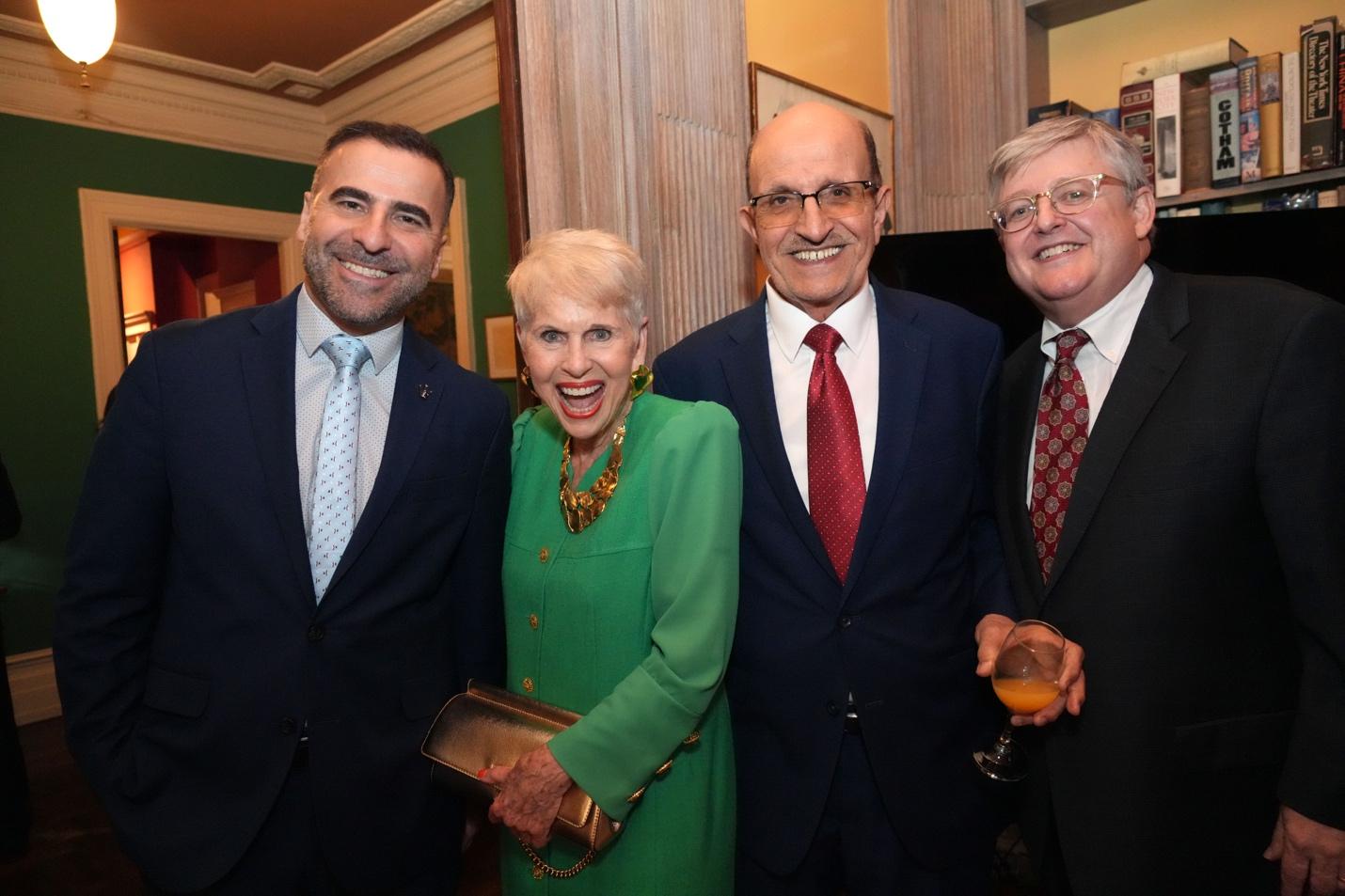
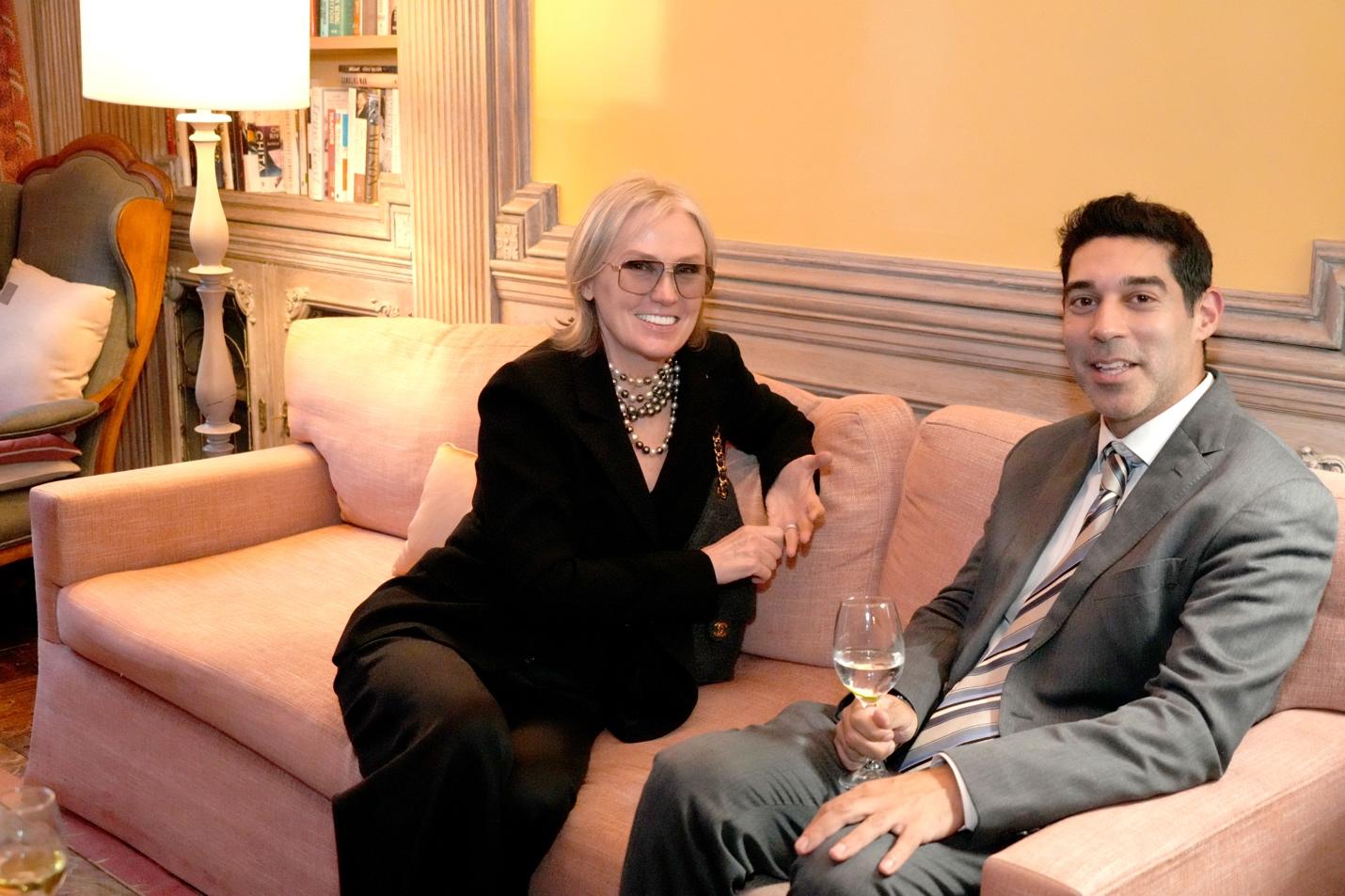
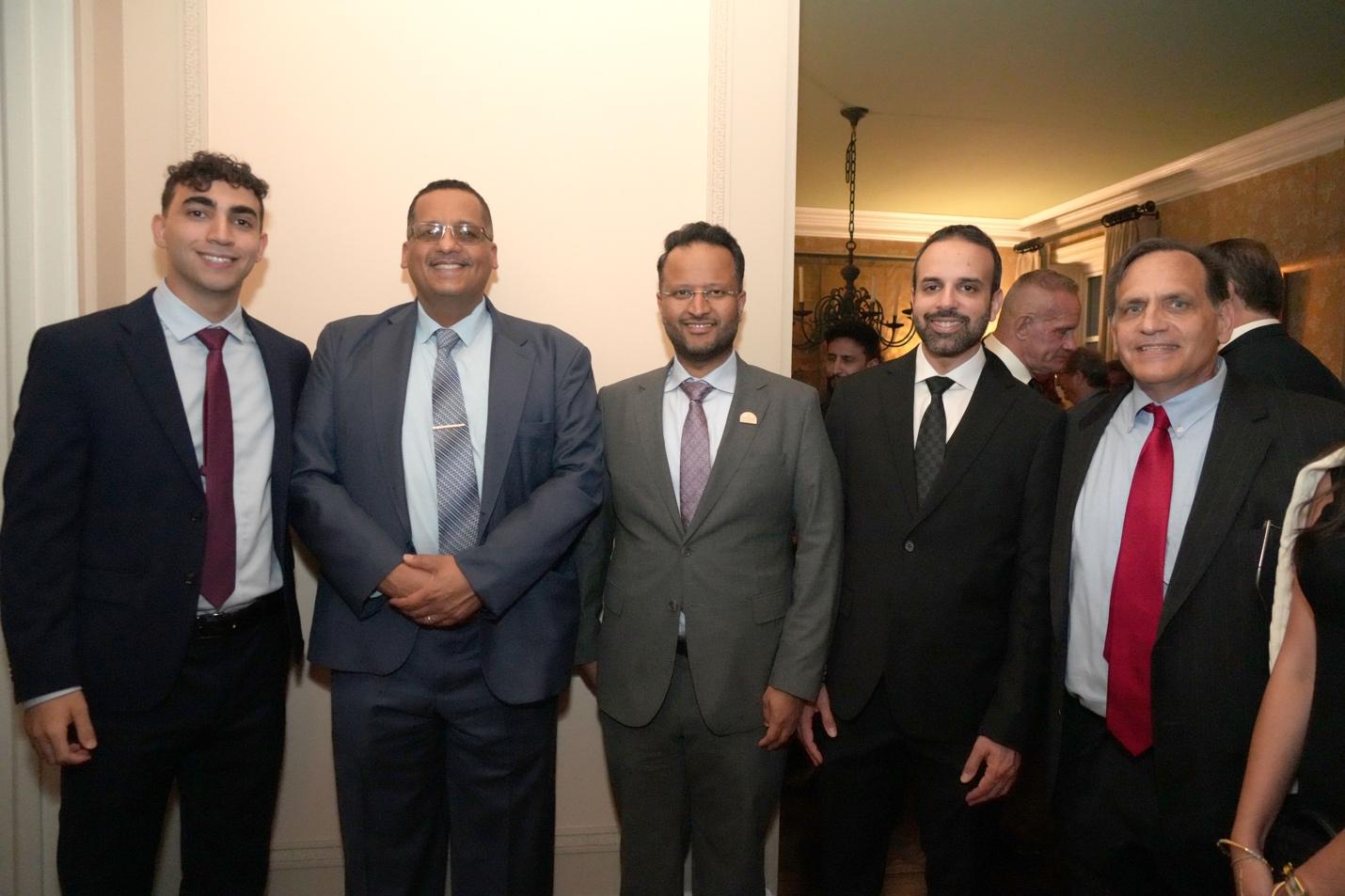
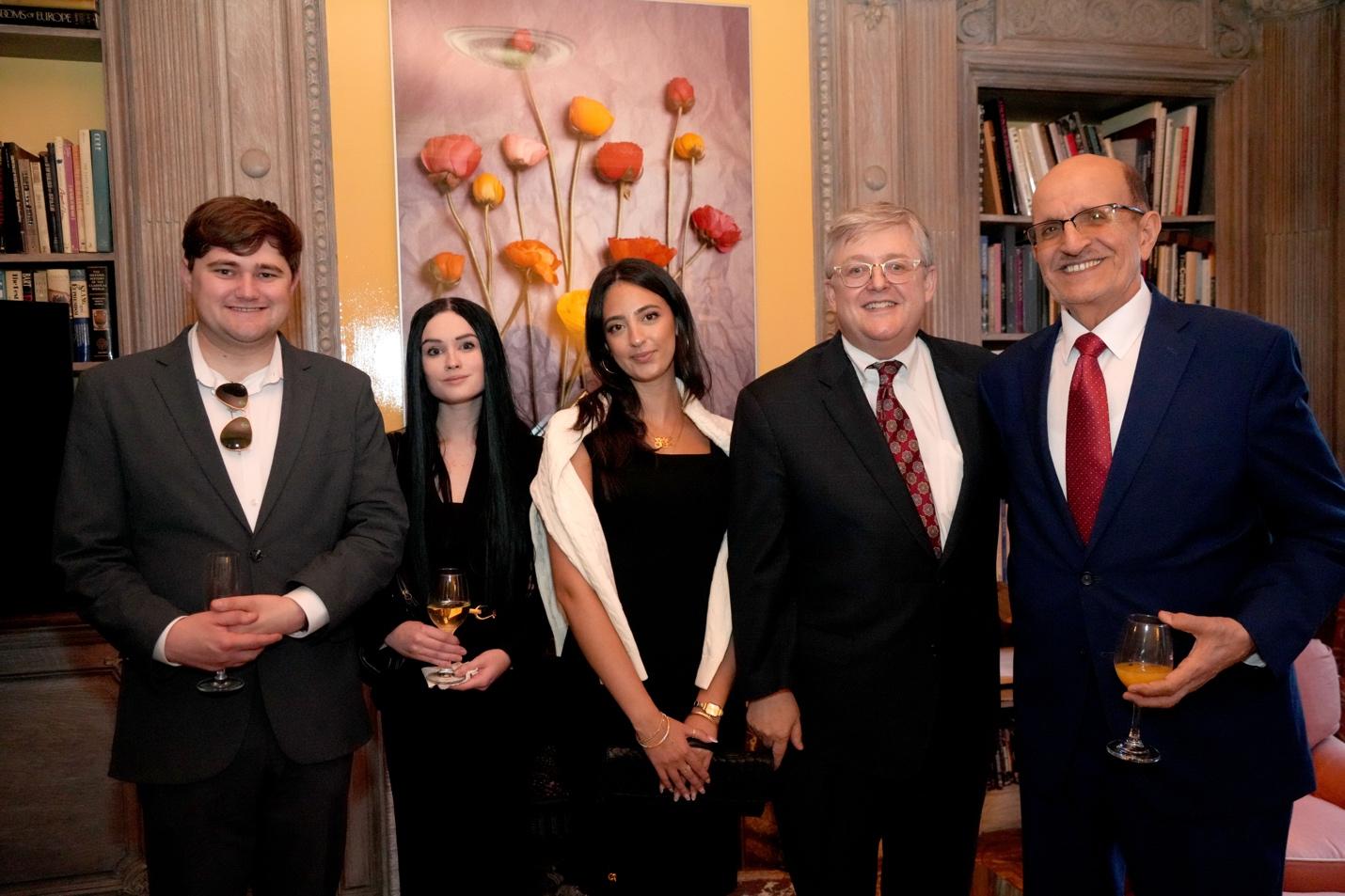
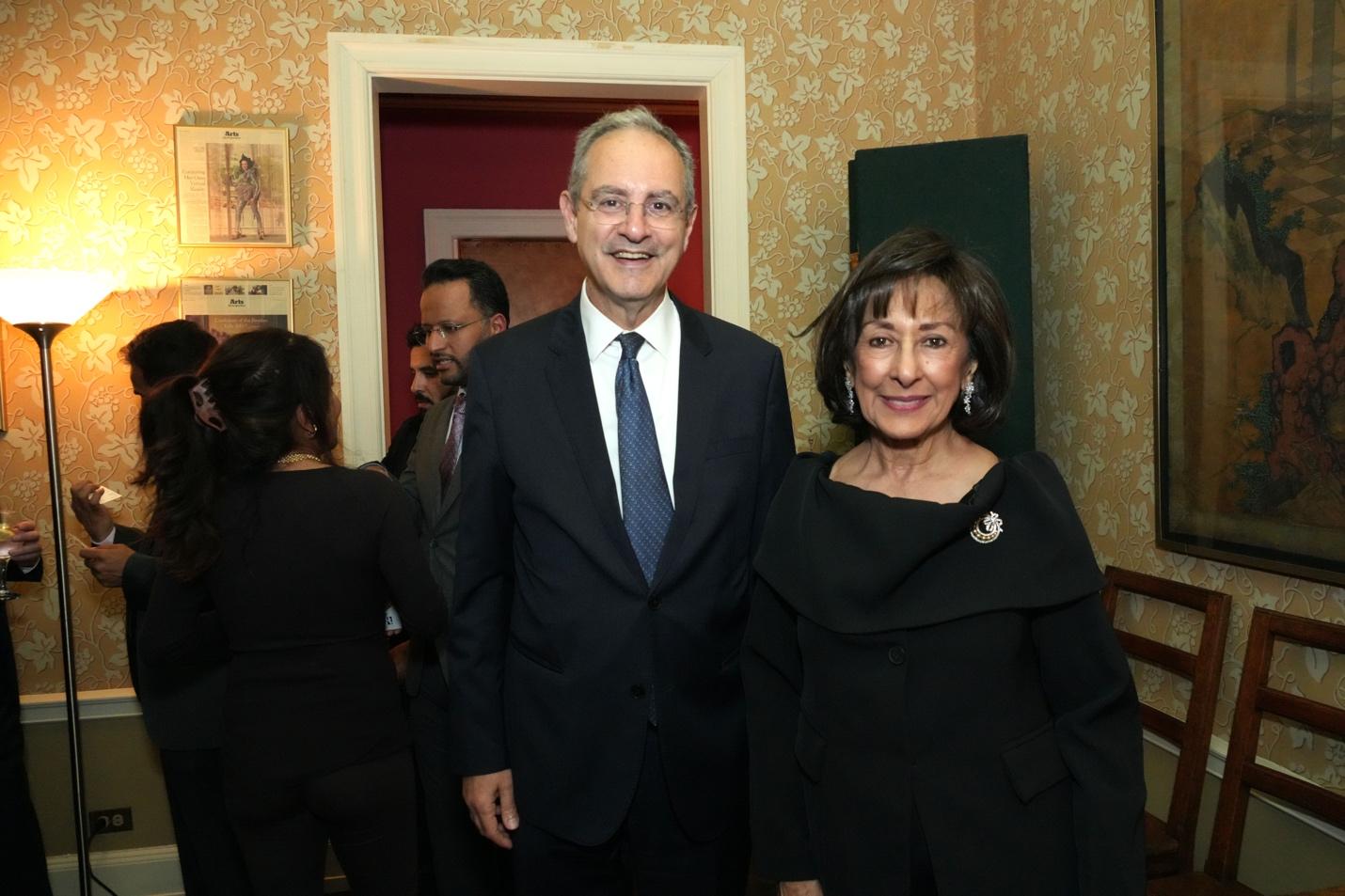
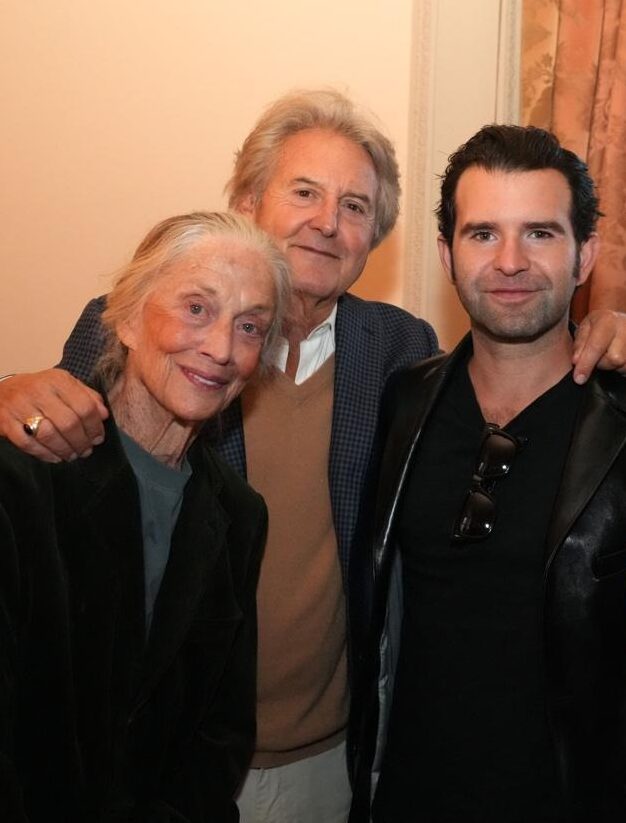
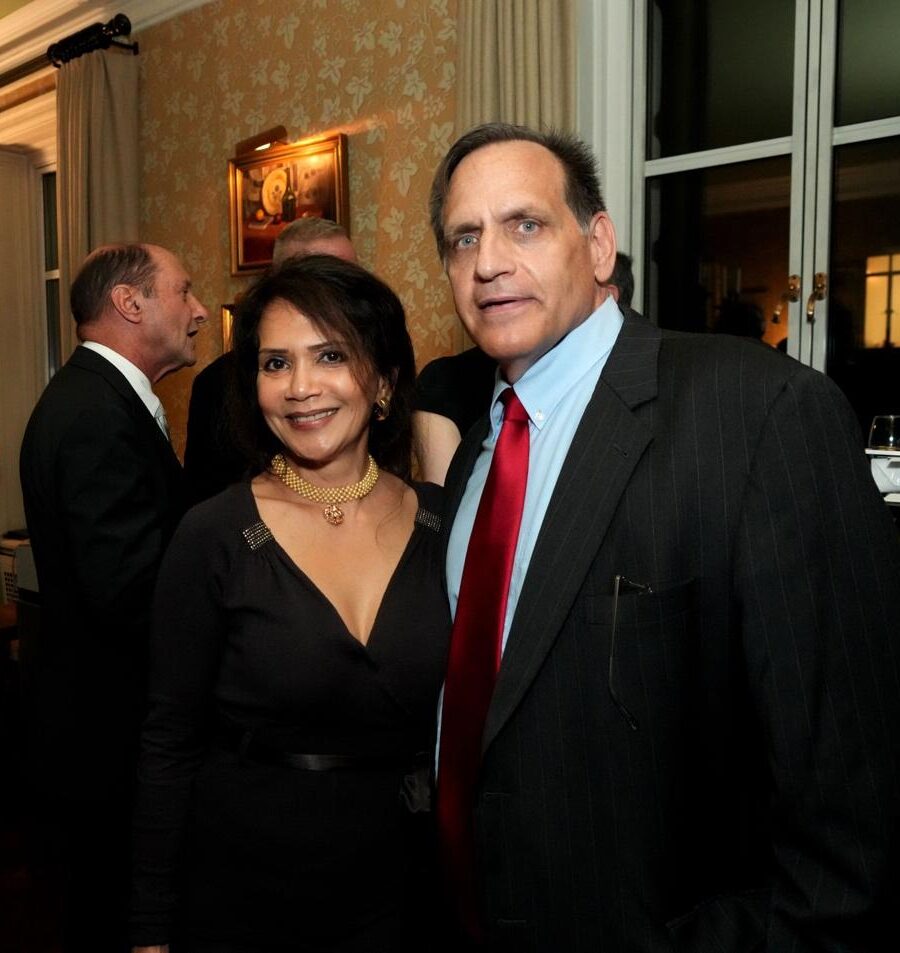
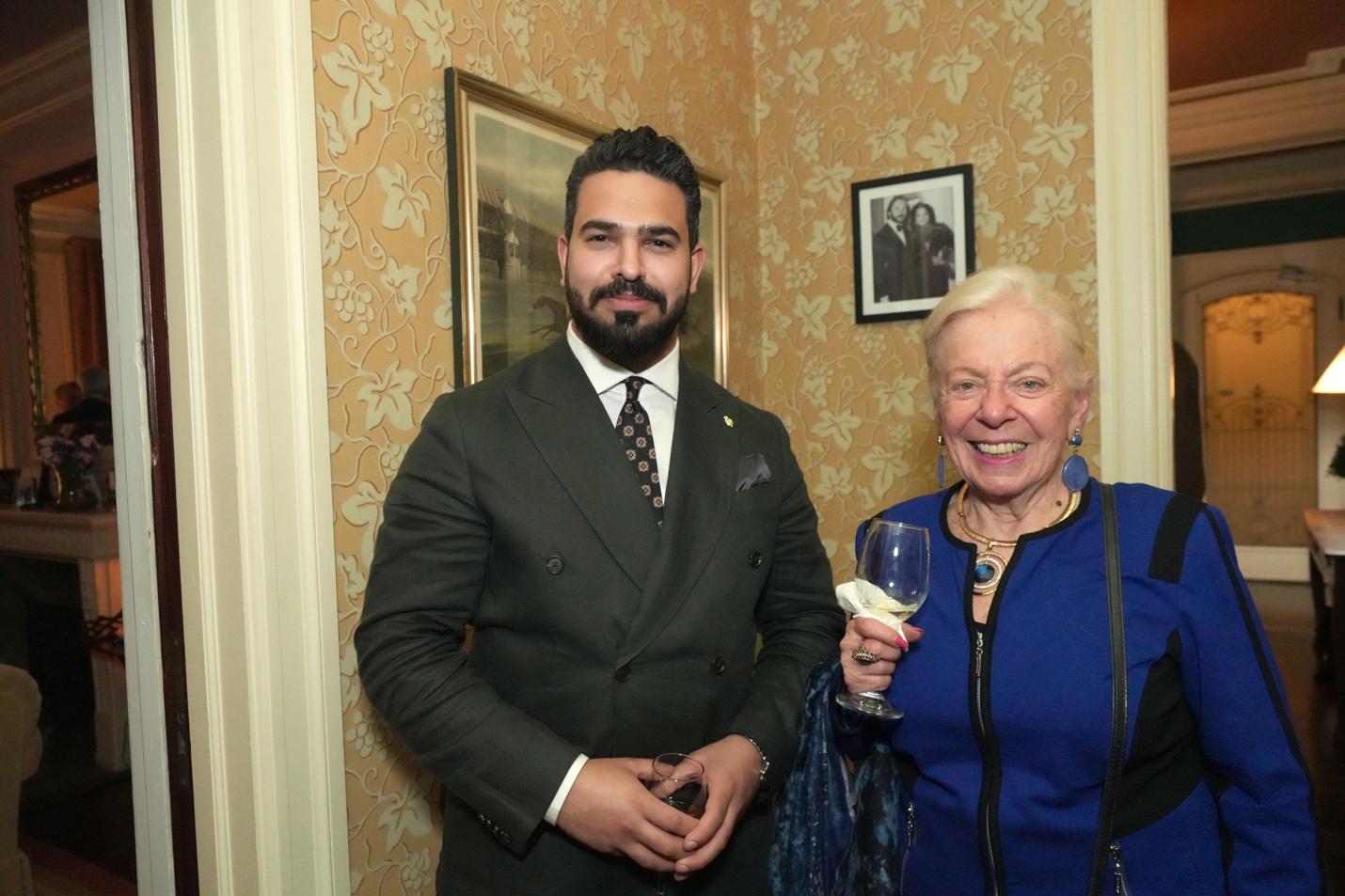
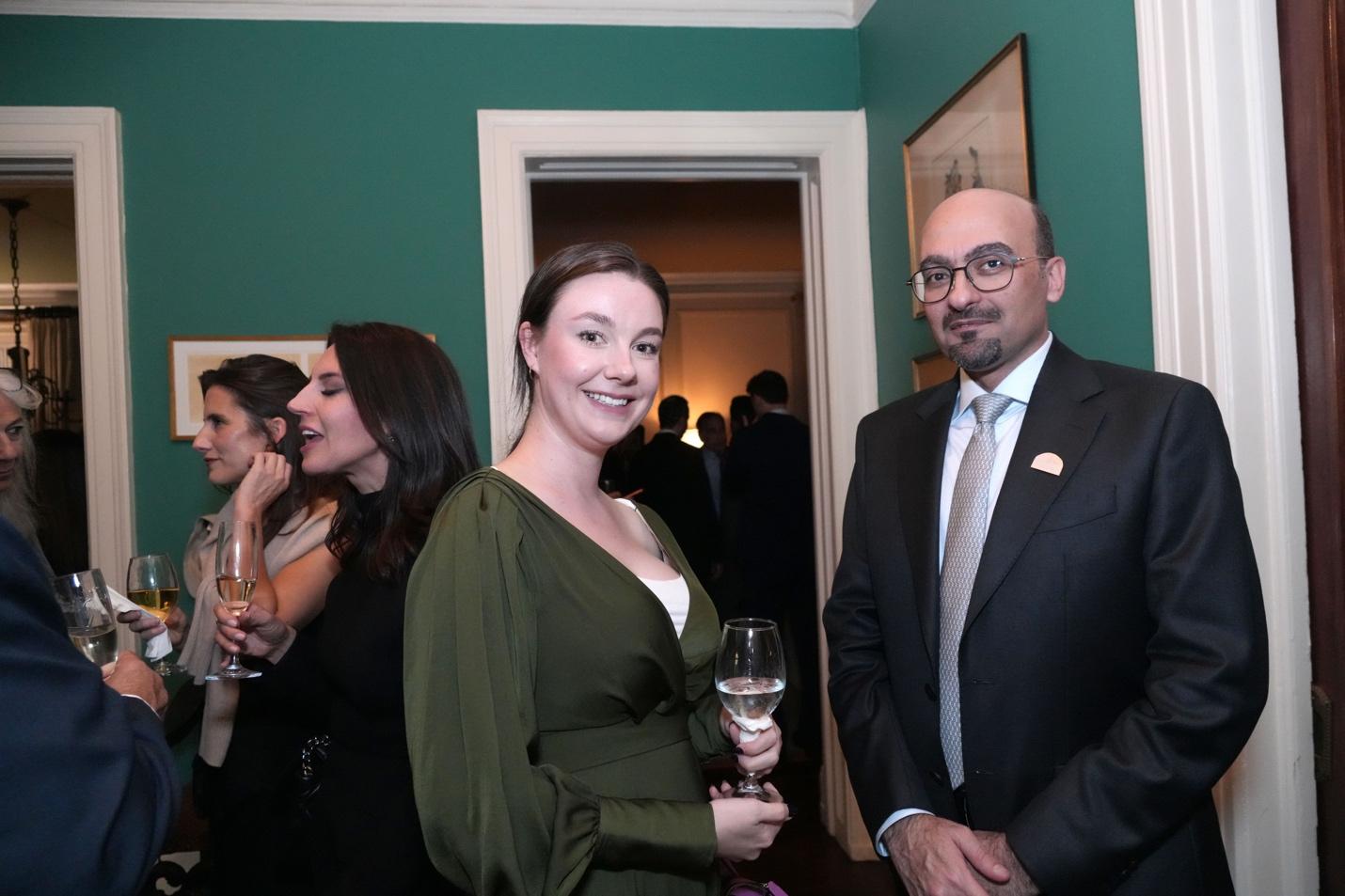
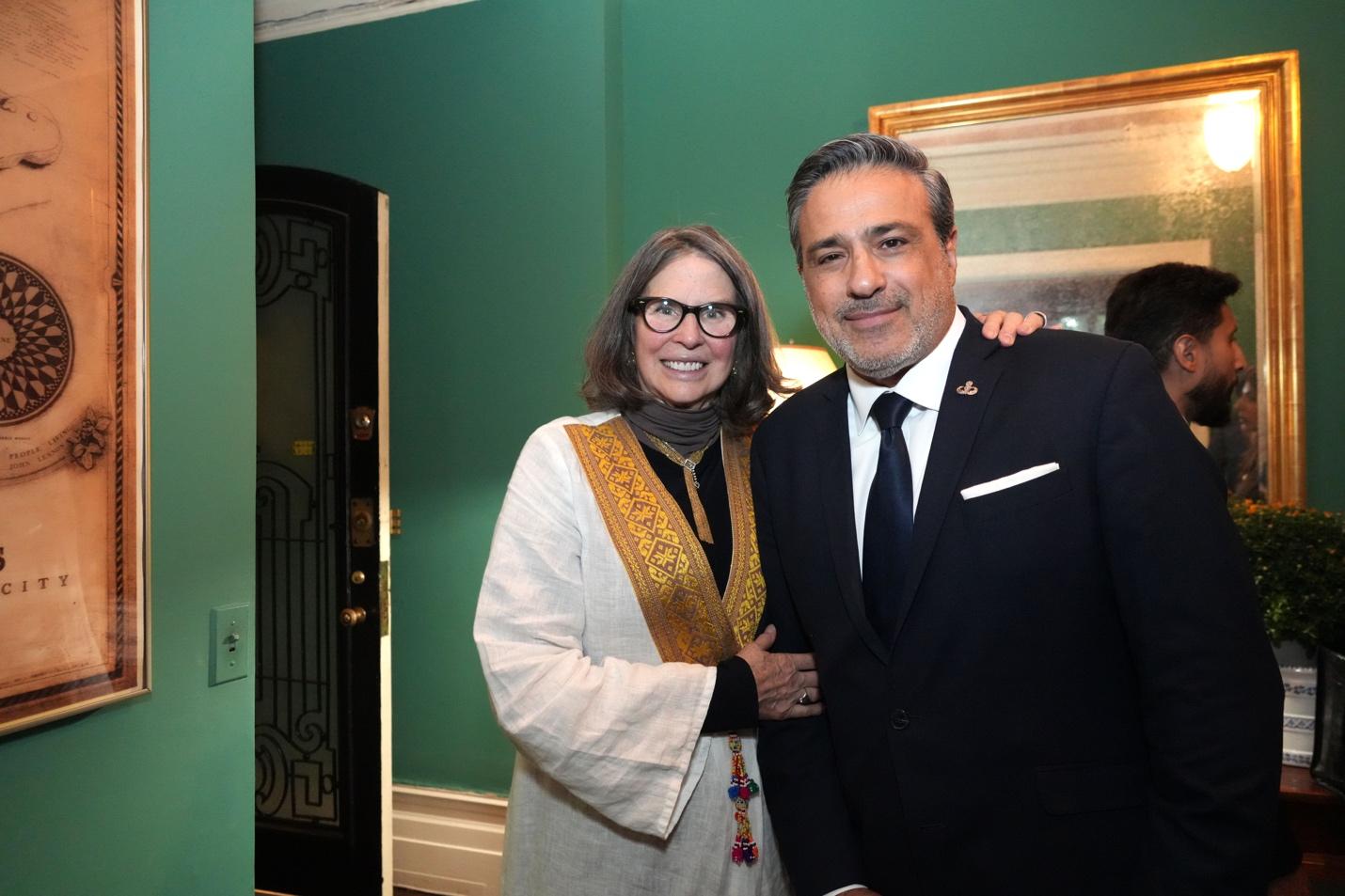
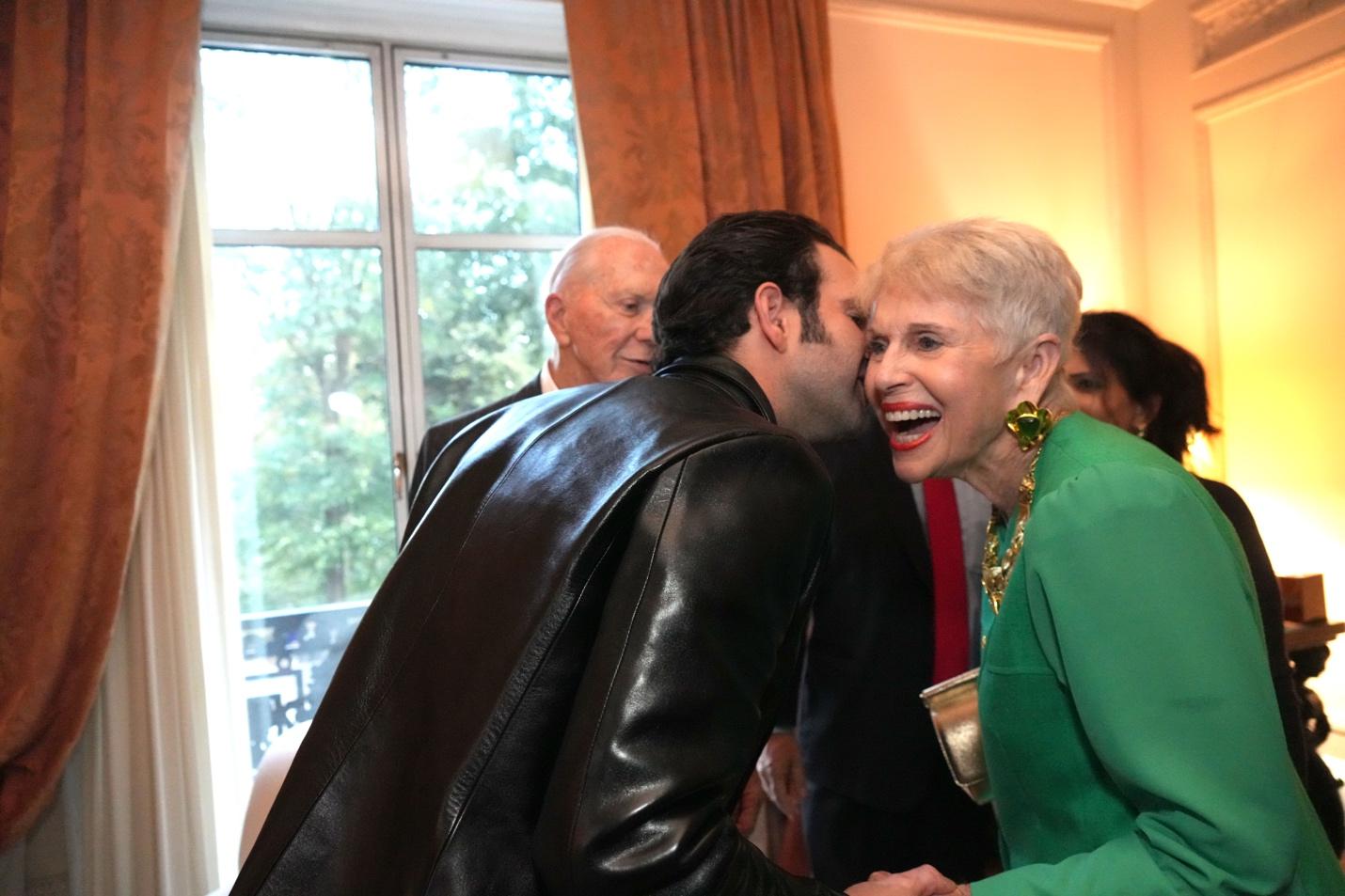
The gathering brought together an eclectic mix of New York high society, media legends, senior diplomats, foreign policy experts, and corporate leaders. This unique mixture of attendees creates a vibrant social tapestry. It underscores that peace building requires a diverse coalition of academia, media, arts, business, and government working in concert.
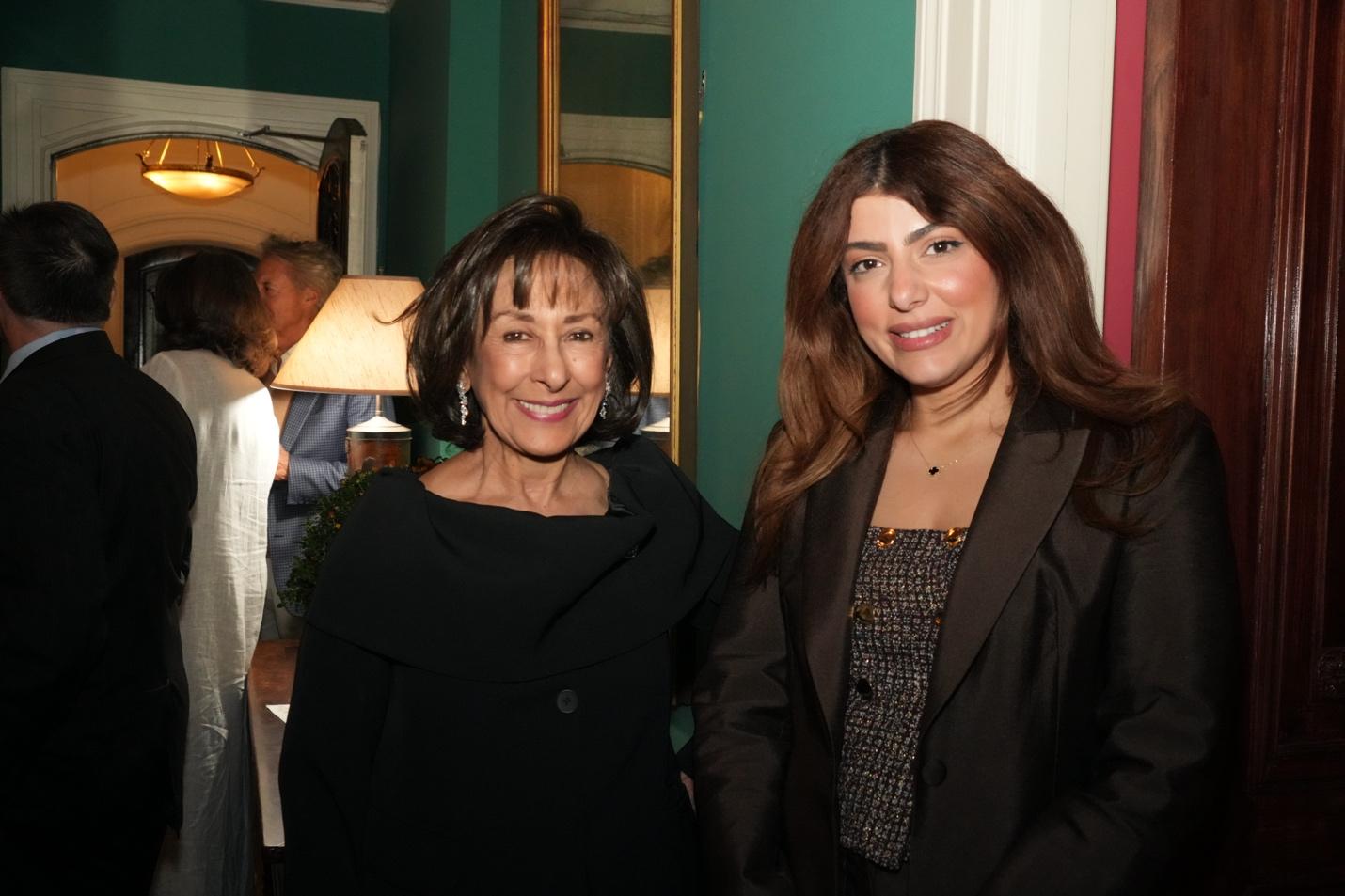

UN Secretary-General António Guterres opened the session with a stark warning that global divisions are widening from “cracks into canyons.” The Council side event proved that bridging those canyons requires more than formal resolutions. It also requires the intimacy and charm of a Central Park West diplomatic salon, the unifying power of music, and the cross-cultural stewardship of figures like Peter Brown. It served as a reminder that before nations can agree on policy, their people must first find a common rhythm.
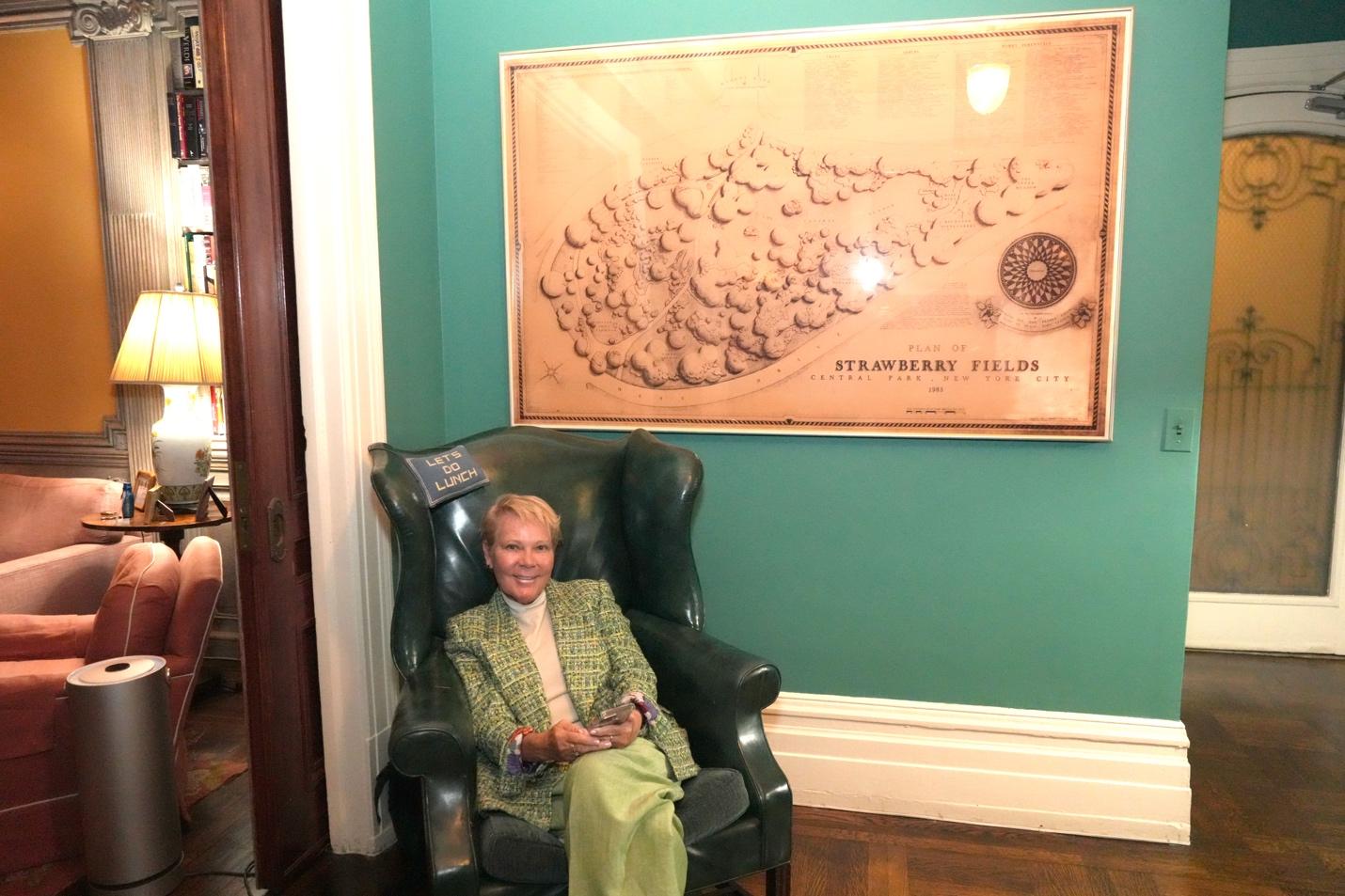
In 1973, Peter’s dear friend Beatle John Lennon came to his apartment with Yoko Ono for lunch. John longed to live on Central Park West and was captivated by Peter’s apartment. Peter suggested John ask the doorman if there were any apartments available. There was no vacancy. The doorman recommended John go to the building next door – The Dakota. John moved shortly thereafter into the Dakota where he lived for the remainder of his life. The blueprint of the design of Strawberry Fields in Central Park graces Peter Brown’s foyer. A fitting reminder of their remarkable friendship and an extraordinary piece of New York history.


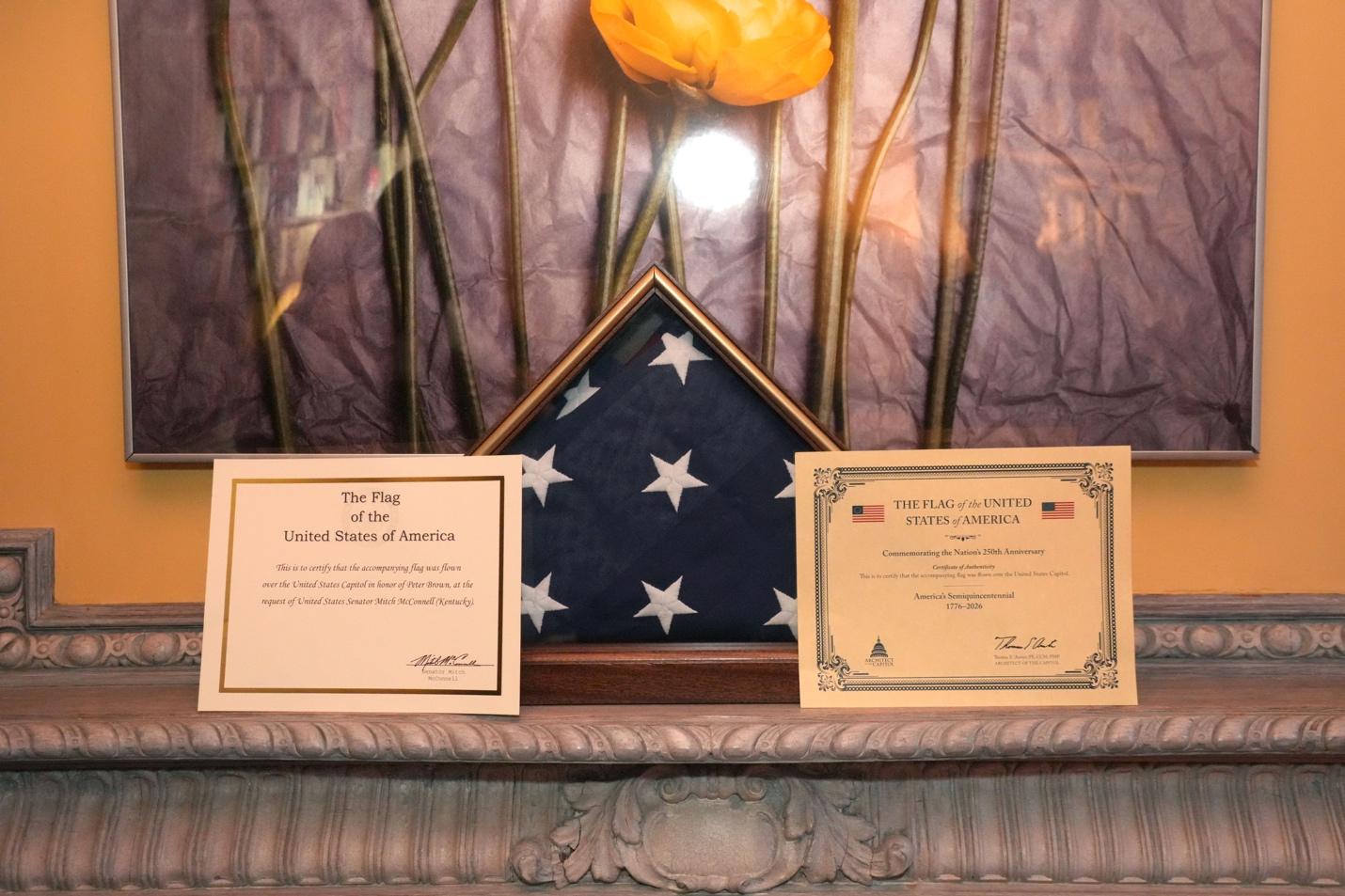
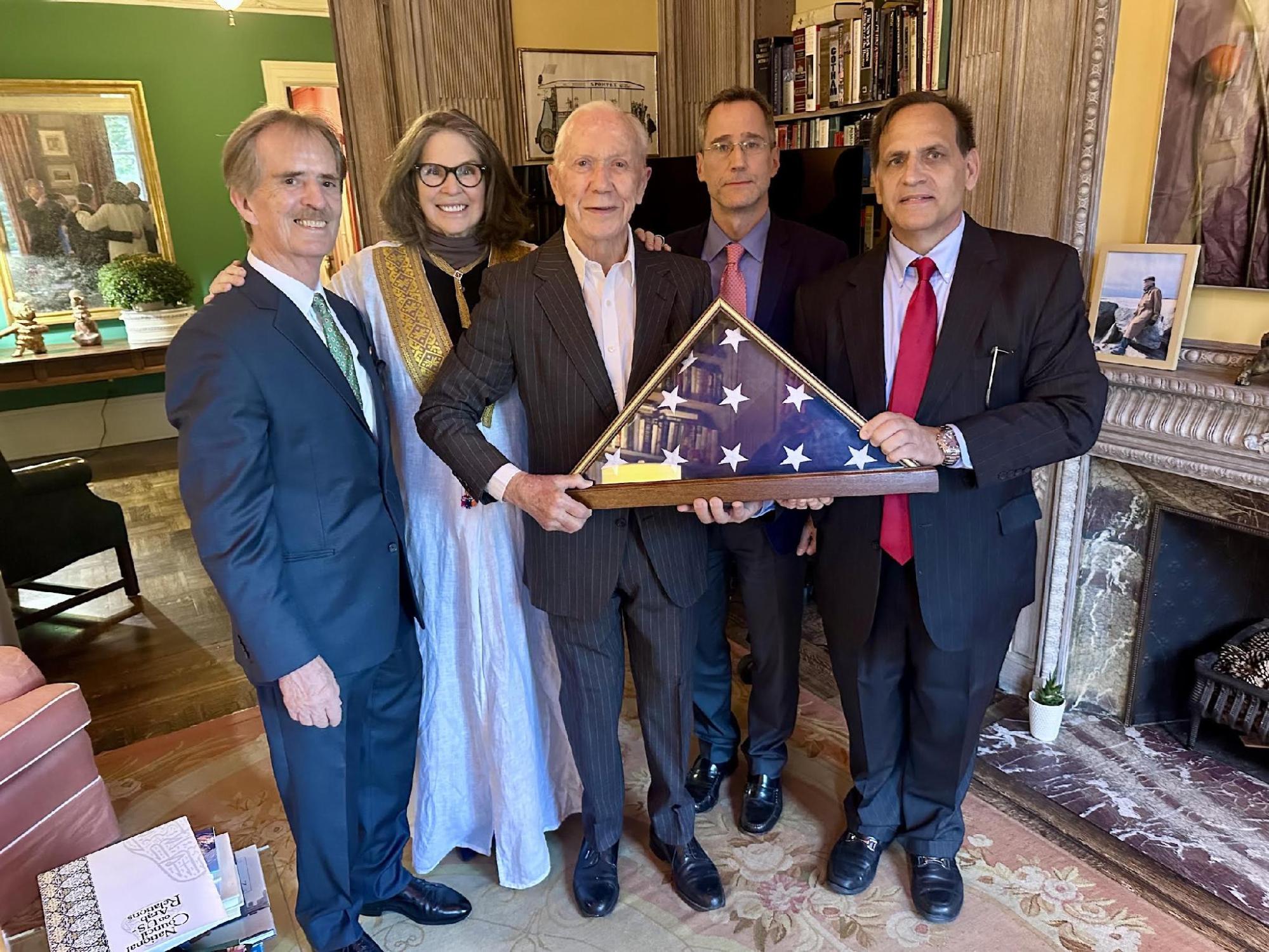
Before the event, the National Council presented Peter Brown with an official U.S. sesquicentennial flag flown in his honor over the U.S. Capitol, certified by Senator Mitch McConnell, the longest serving U.S. Senate Party Leader in history, thanking Mr. Brown for his service to the nation and to international peacemaking and bridgebuilding. The clickable video link below captures the moment when Council Board Chair John Pratt presented Mr. Brown with the honor.
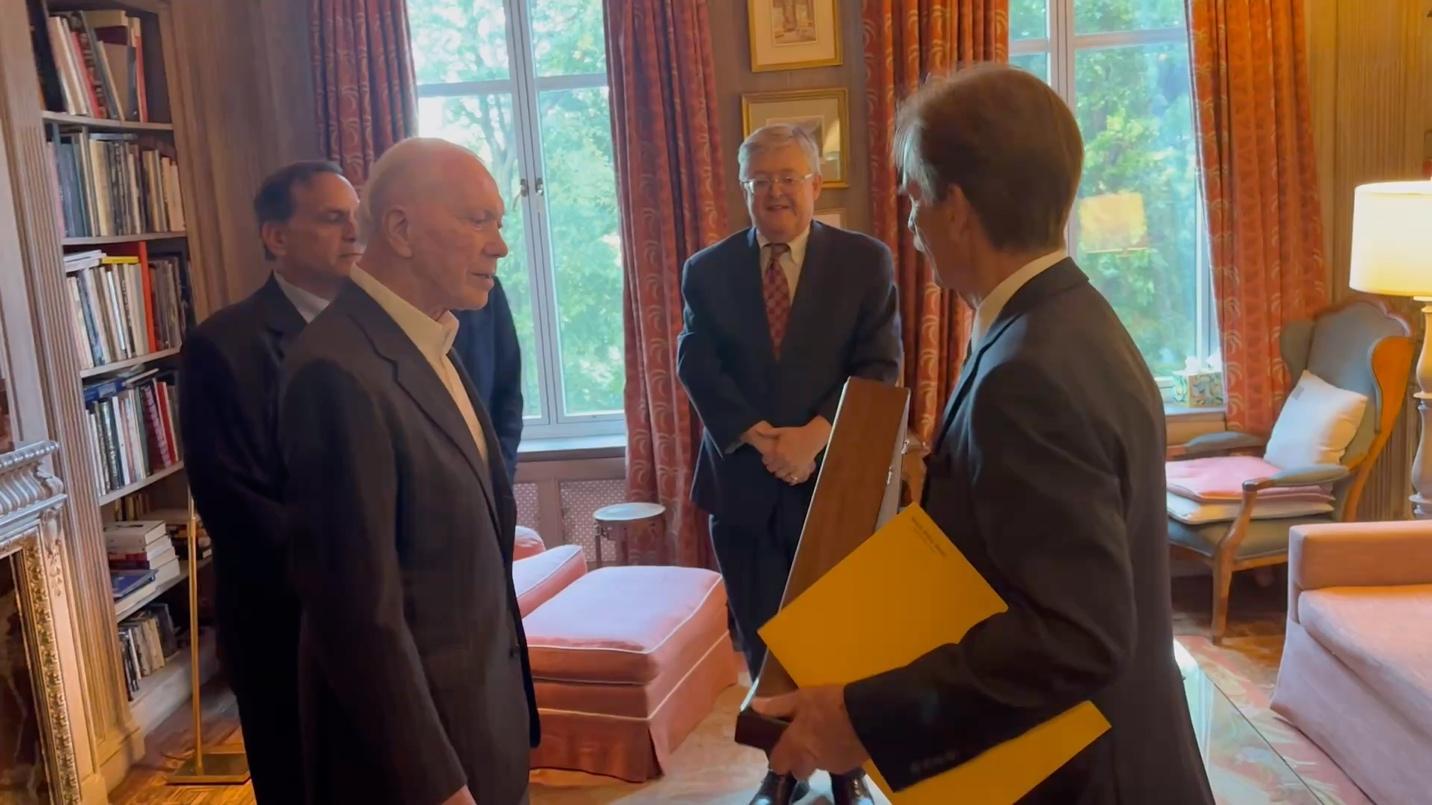
The triangle shaped box resembles the tricorn hats worn by colonial soldiers during the American Revolutionary War. The flag was folded by National Council staff just prior to the ceremony; the flag is typically folded 13 times to represent the original 13 colonies. When completed, the triangular shape with the blue field and stars faces outwards to honor the Continental Army and the fight for American independence. The red and white stripes are deliberately tucked away, leaving only the blue field of stars visible as a symbol of unity. The compact triangle also serves a functional purpose, allowing the flag to fit securely into specialized display cases.

The third annual New York evening reception on the margins of the UN General Assembly exceeded expectations, and the hosts and the National Council are already planning—at the same time and place—next year’s gathering. Hopefully by then more canyons will have been bridged and the world will be at peace. We hope everyone can make it ok.
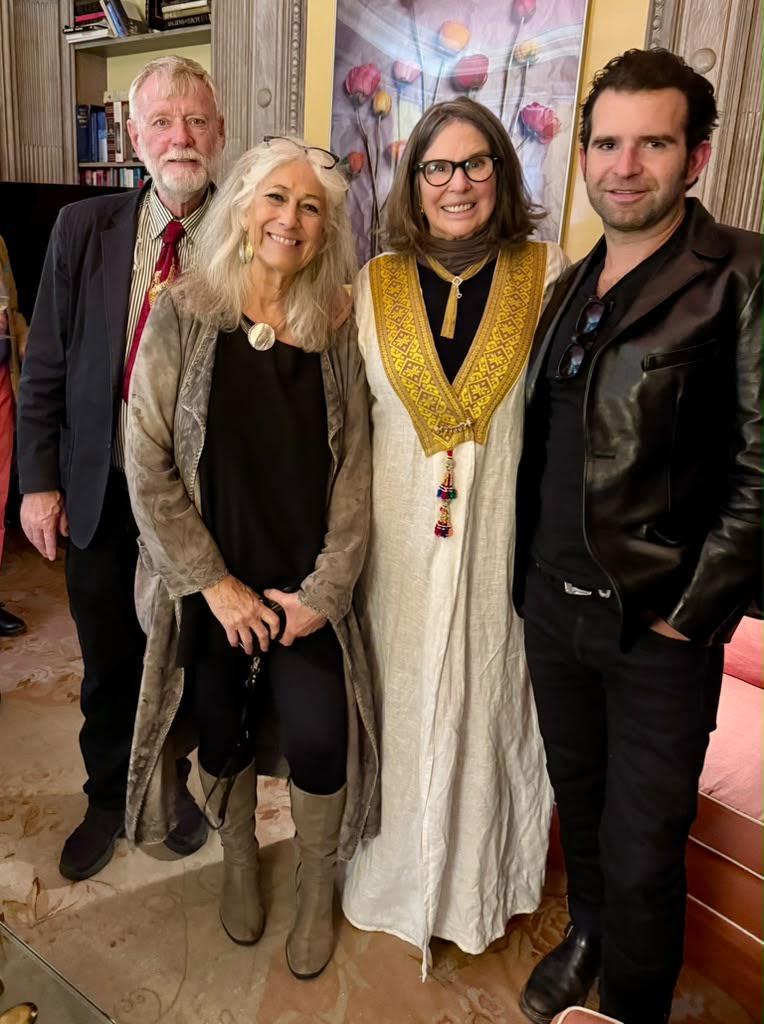

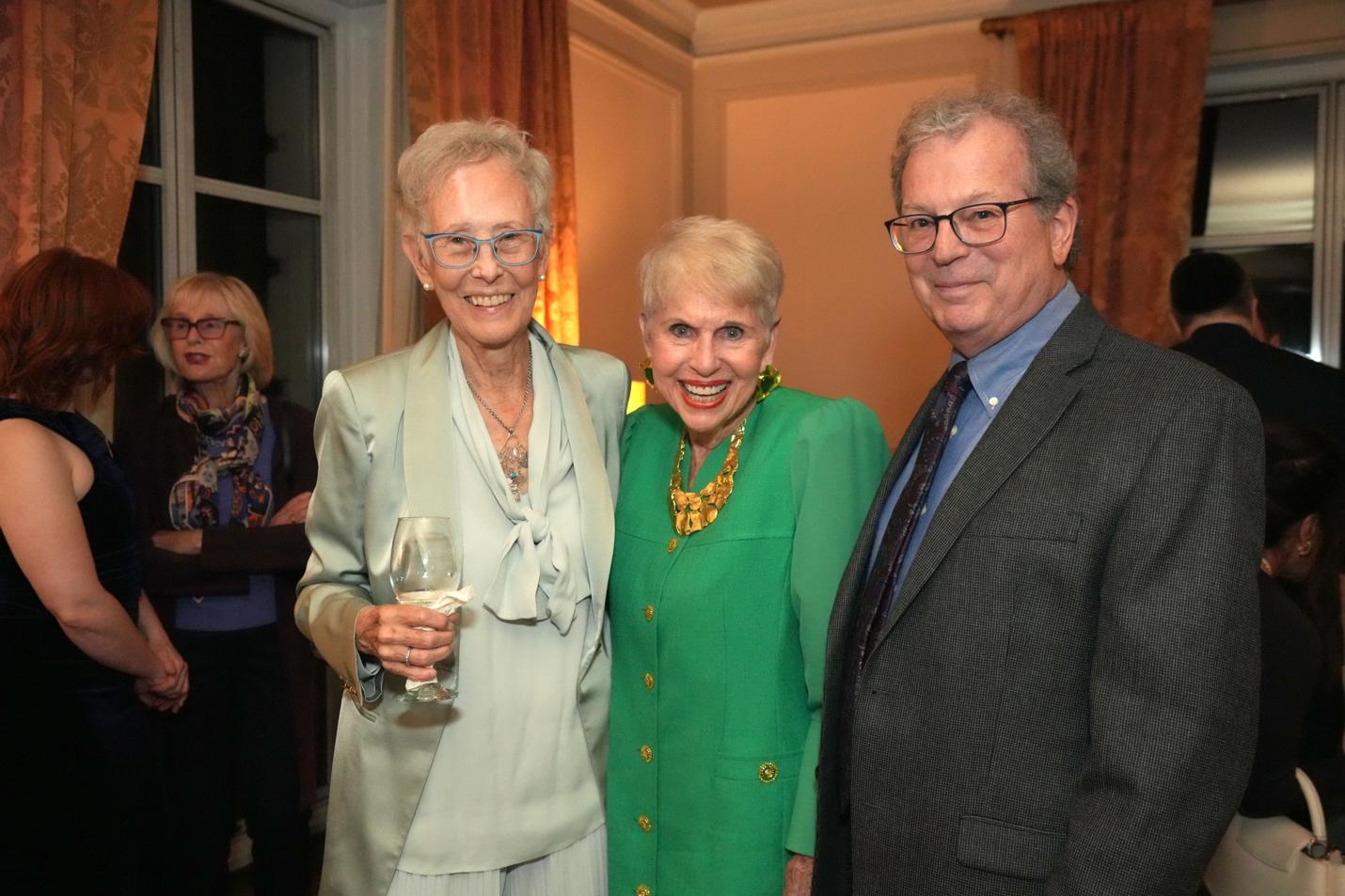















Founded in 1983, NCUSAR acts as an educational bridge. It works to dispel stereotypes and foster nuanced American understanding of the Arab world through leadership programs and people-to-people exchanges. Events like this demonstrate that combatting Islamophobia and anti-Arab sentiment requires inviting people into a shared space to experience Arab and American generosity and intellect firsthand.