The King Faisal Prize honors its 2026 laureates this month in Riyadh, Saudi Arabia. Established by the eight sons of the late King Faisal bin Abdul Aziz in 1977 and sponsored by the King Faisal Foundation (KFF.com), the prize is a highly prestigious international award. Intended to perpetuate the King’s uncompromising dedication to alleviate human suffering through the advancement of research and creative human thinking, the Prize has recognized for nearly 50 years more than 300 honorees of 45 nationalities across diverse fields. The award is presented to “dedicated men and women whose contributions make a positive difference” Each year’s selection is based on a rigorous, merit-based process relying on international experts and peer review, free from political, religious, racial and gender bias. The prize encompasses five disciplines reflective of the centuries old Islamic tradition of the pursuit of excellence through religious scholarship and scientific inquiry. The award disciplines include:
- Service to Islam
- Islamic Studies
- Arabic Language and Literature
- Medicine, and
- Science
This year’s honorees receive a 24-carat gold medal, a hand-calligraphed certificate signed by the Chairman of the Board and a cash award of $200,000.
The 2026 nominees come from around the globe, including the USA, France, Jordan, and other countries.
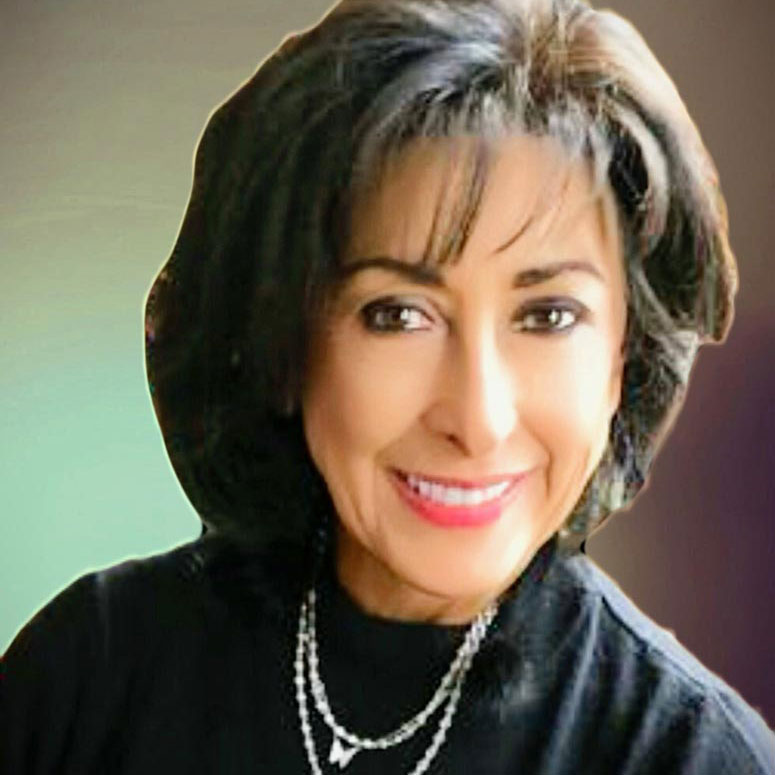
Among this year’s recipients is Professor Svetlana Mojsov, a leading Macedonian American biochemist from Rockefeller University in the United States. She receives the prize for groundbreaking research in medicine, specifically for the role of peptides in glucose metabolism. She discovered the glucagon-like peptide-1 and its role in glucose metabolism and the secretion of insulin.
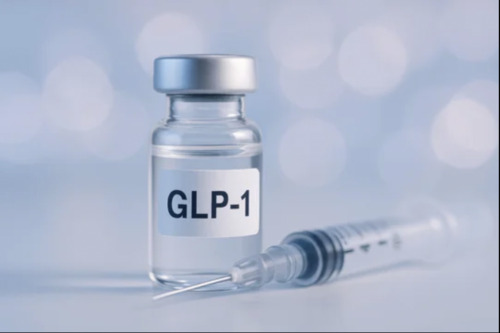
Novo Nordisk, a global healthcare company, transformed her discoveries into therapeutic agents against diabetes and obesity. Her work is foundational, indeed groundbreaking, in paving the way for transformative treatments against diabetes and obesity.
In a recent exclusive interview, she offered the following reflections on her work.
Dr. Naila AlSowayel: It took many years for your achievements; how did you persevere and what inspires you to continue?
Dr. Mojsov: In any profession, to succeed, you need perseverance. Scientific research is no different, it can take many years or even a decade to get answers. Sometimes when you get an answer to a scientific question, that answer raises another question requiring new experimental strategies to address that question. It is a lengthy process.
One example is my research with GLP-1. I identified the biologically active form of GLP-1 and predicted that it is an incretin, a peptide secreted in the intestine when we eat a meal that will stimulate insulin release from the pancreas and then regulate glucose metabolism.
I first had to show that the biologically active form of GLP-1 is secreted in the intestine. To address that I had to develop methods of detection in the intestine.
Dr. Naila AlSowayel: How did you hear about your nomination? What was your reaction and what does this prize mean to you?
Dr. Mojsov: I was at the San Juan airport in Puerto Rico with my husband waiting to board a flight to New York. I looked at my phone to check the boarding time when I noticed an email with the announcement that I received the King Faisal Prize. I reread the email several times to absorb the news. It was a nice surprise and a great way to start the New Year. I am honored to be a recipient of this highly respected award.
Dr. Naila AlSowayel: What inspired you to go into this field?
Dr. Mojsov: When I was in middle school in Belgrade, the capital of former Yugoslavia, I started developing an interest in the sciences. In my former country, students are introduced to Chemistry and Physics during middle school. I really liked doing the experiments that followed the lectures. My teachers were quick to notice my enthusiasm and assigned me extra work after school. That encouraged me to learn more. As I learned more about Chemistry and Physics, my interest grew. My interest continued through high school, so it was a natural progression that I studied science at the University of Belgrade.
Dr. Naila AlSowayel: What do you envision is the best use of your discoveries?
GLP-1 medicines are helping many millions of people benefit their health and lives.