Last week, New York celebrated the 80th anniversary of the United Nations with over 150 heads of state and government visiting the city to orate before hundreds of millions on TV and online and to hobnob with local and global elites. It got crowded, and even President Macron’s limo got hopelessly snarled in the traffic mêlée. A desperate phone call on a midtown sidewalk from Macron to President Trump, captured in a viral video, failed to liberate him. Macron had to trek on foot for several blocks, stopping for grinning selfies with Francophiles.
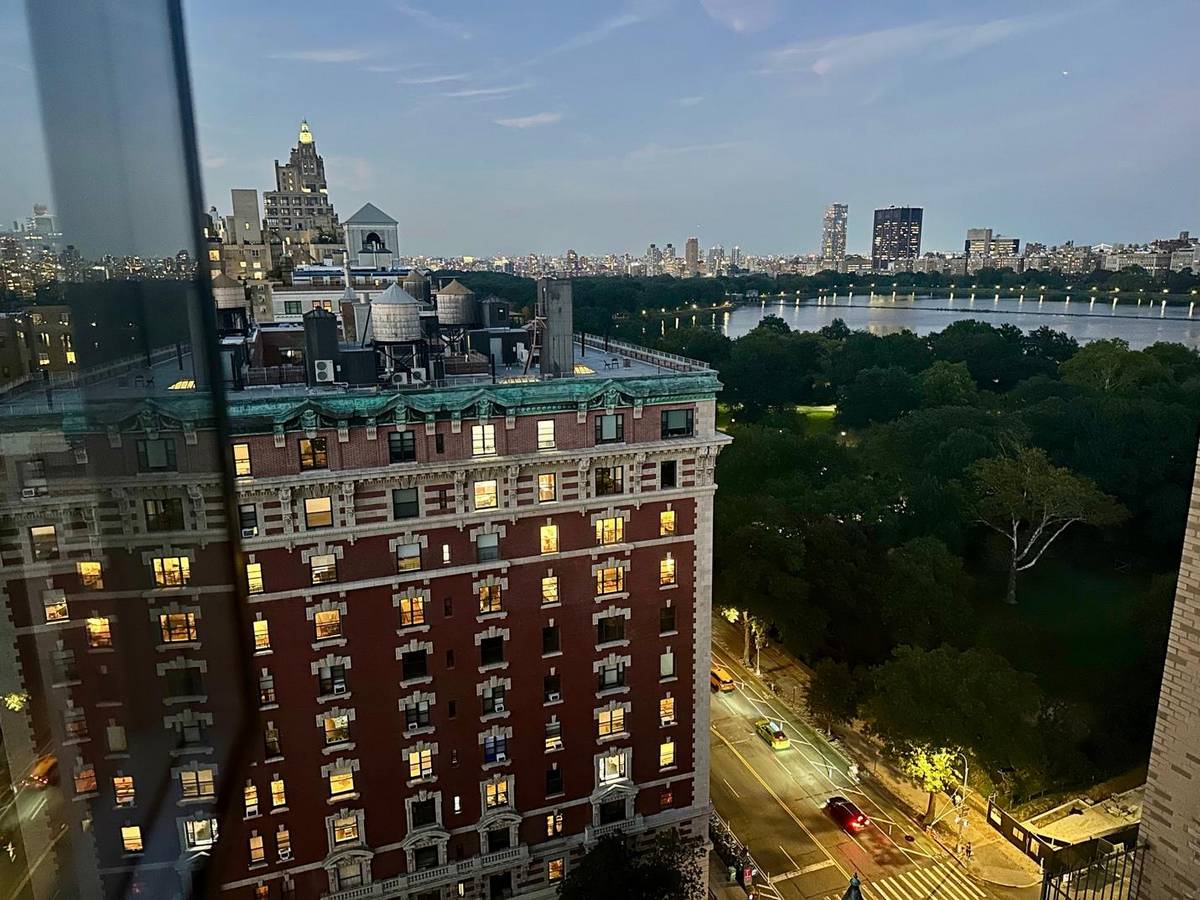
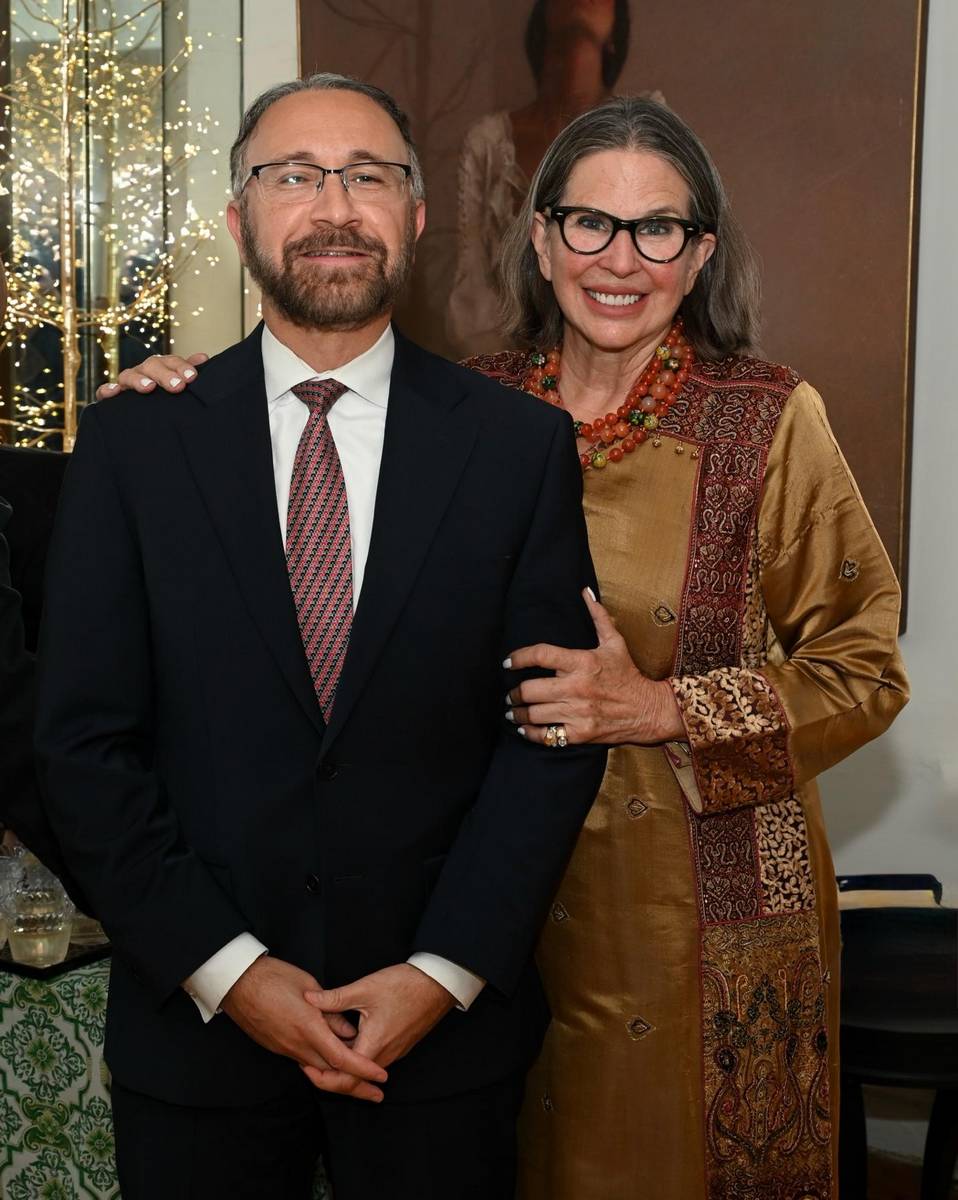
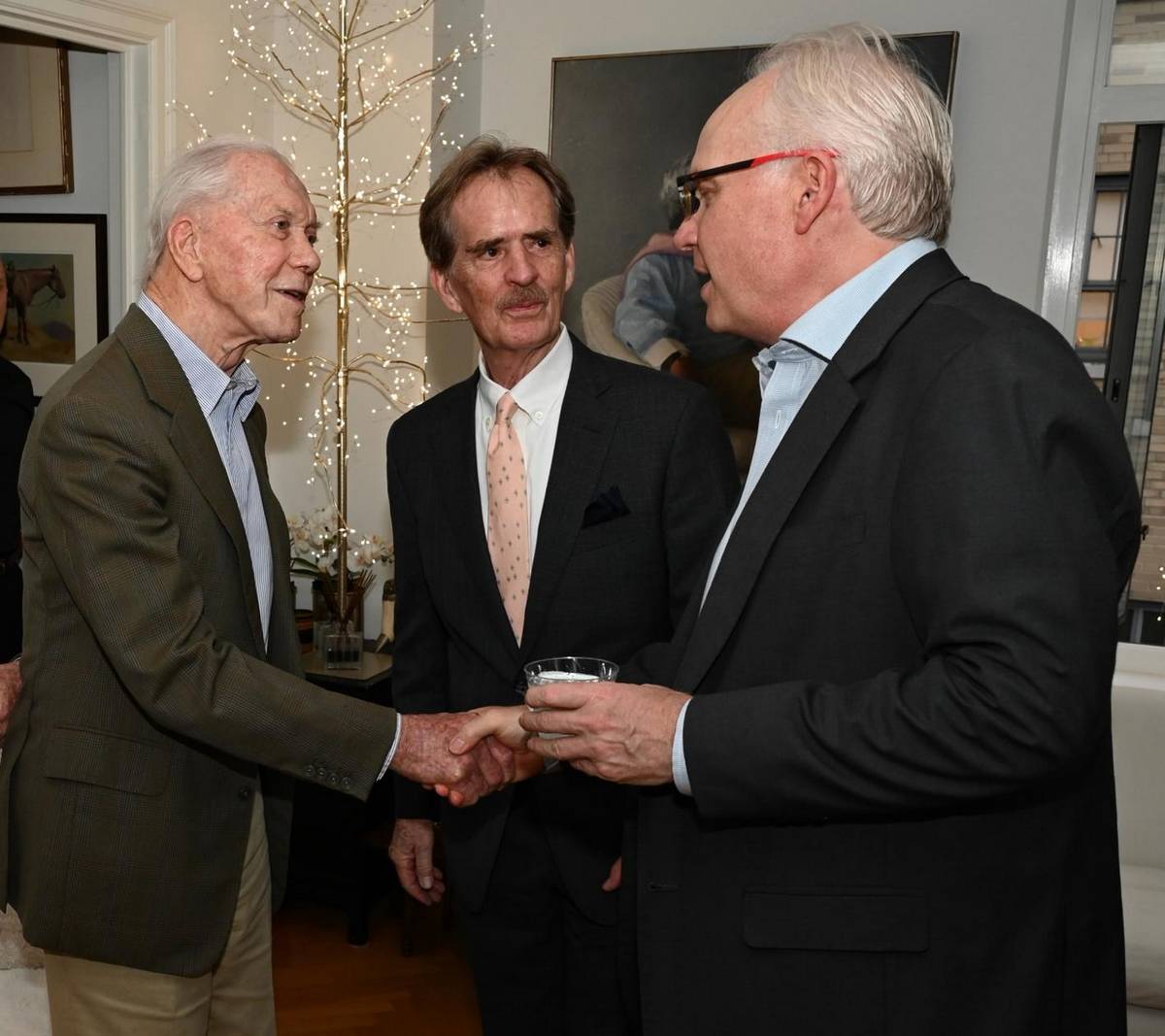
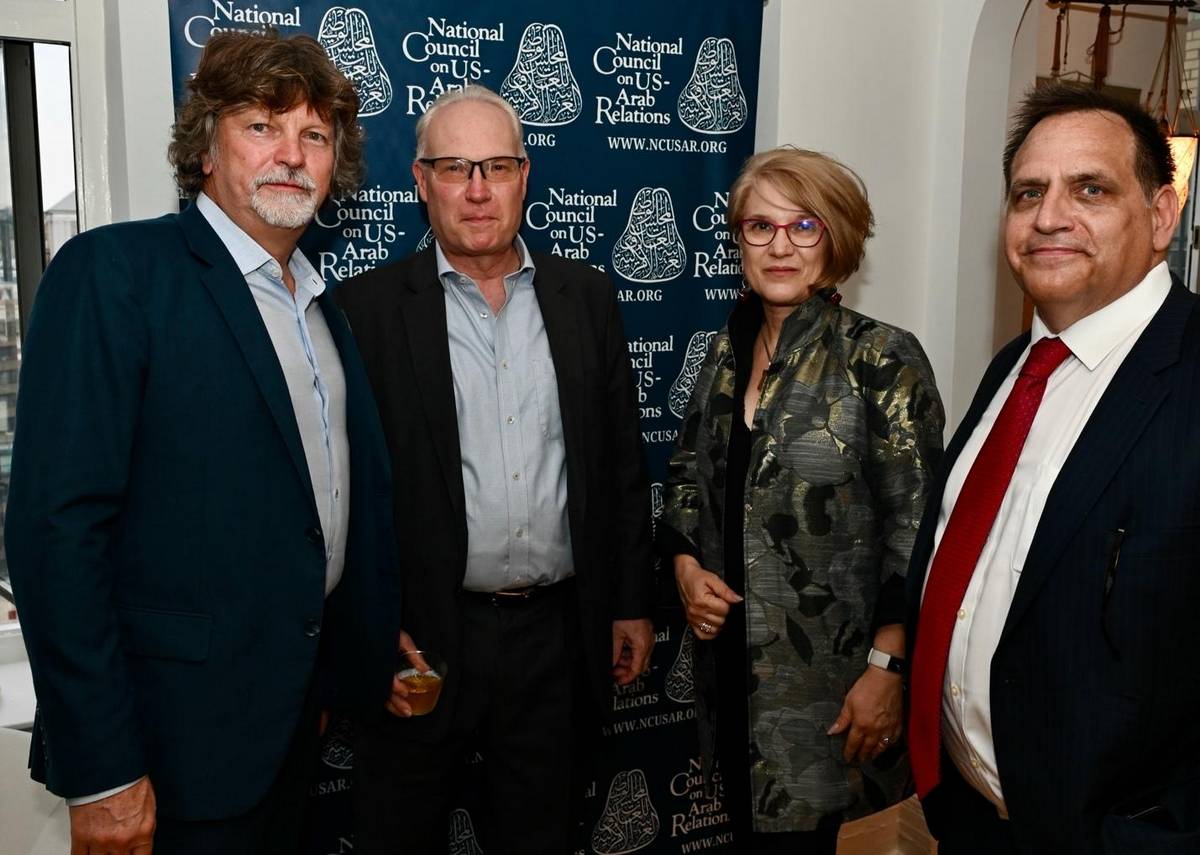
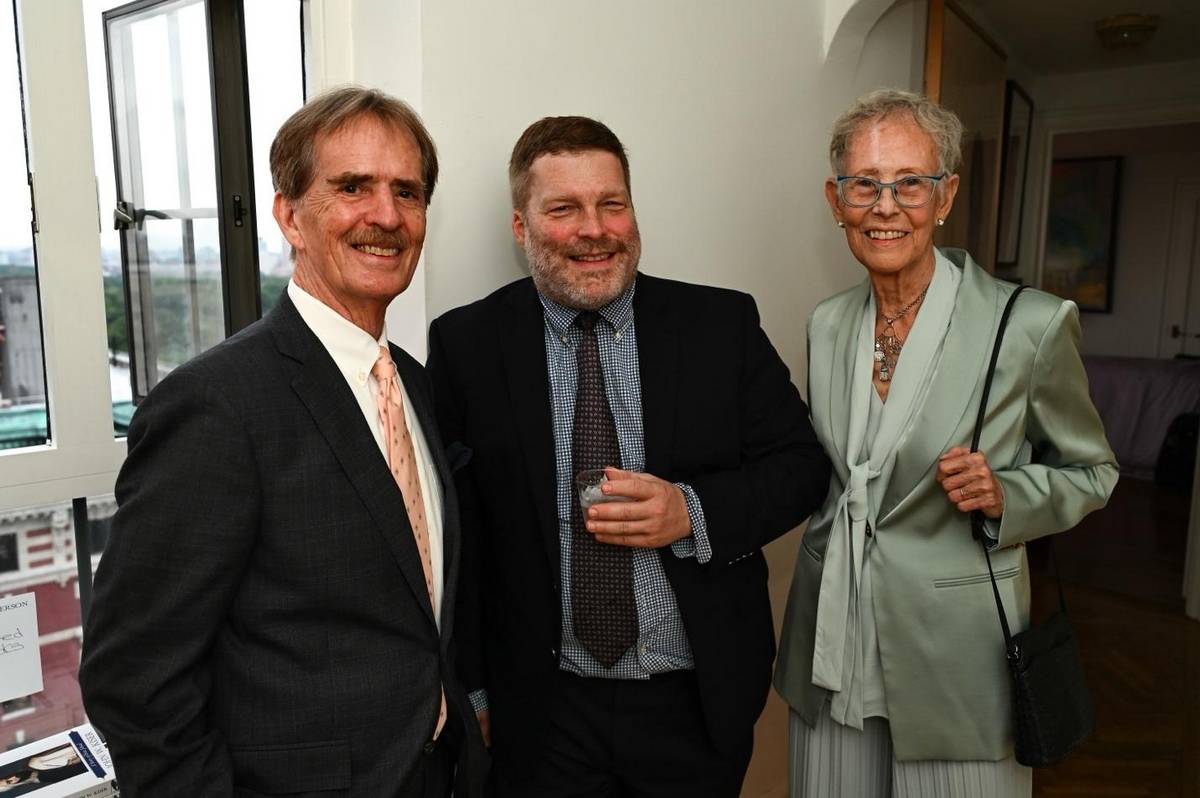
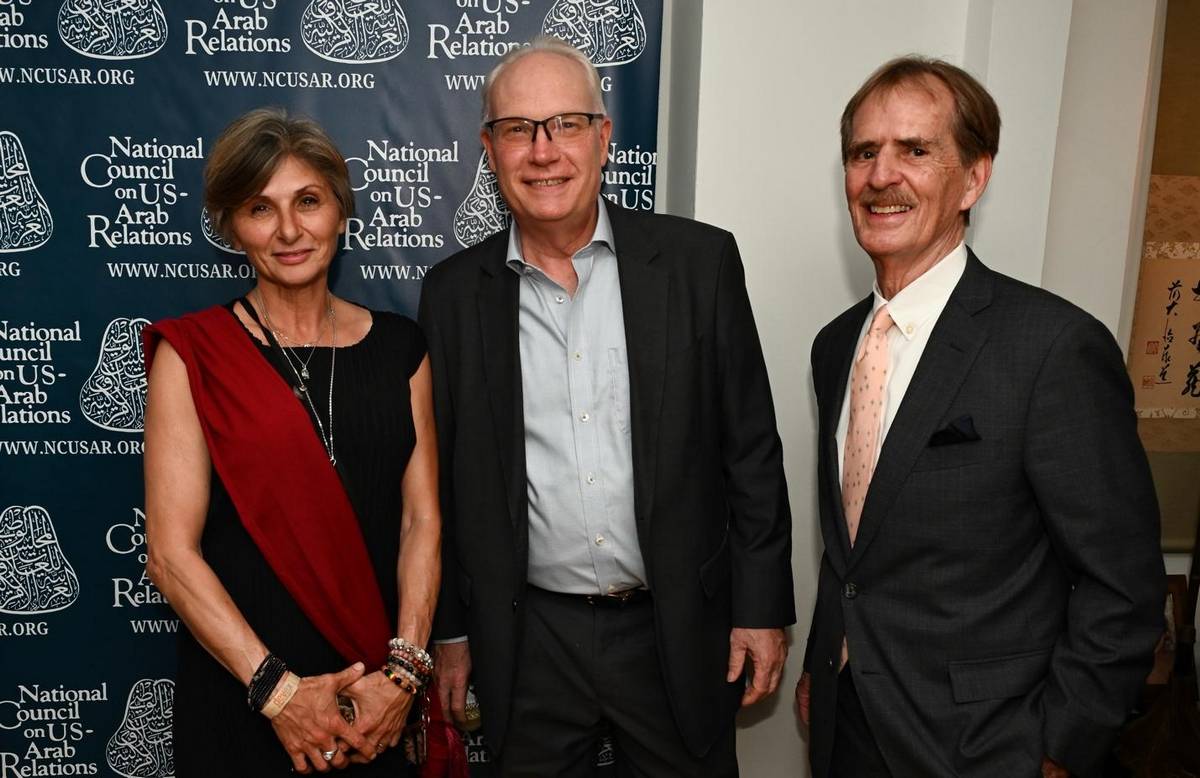
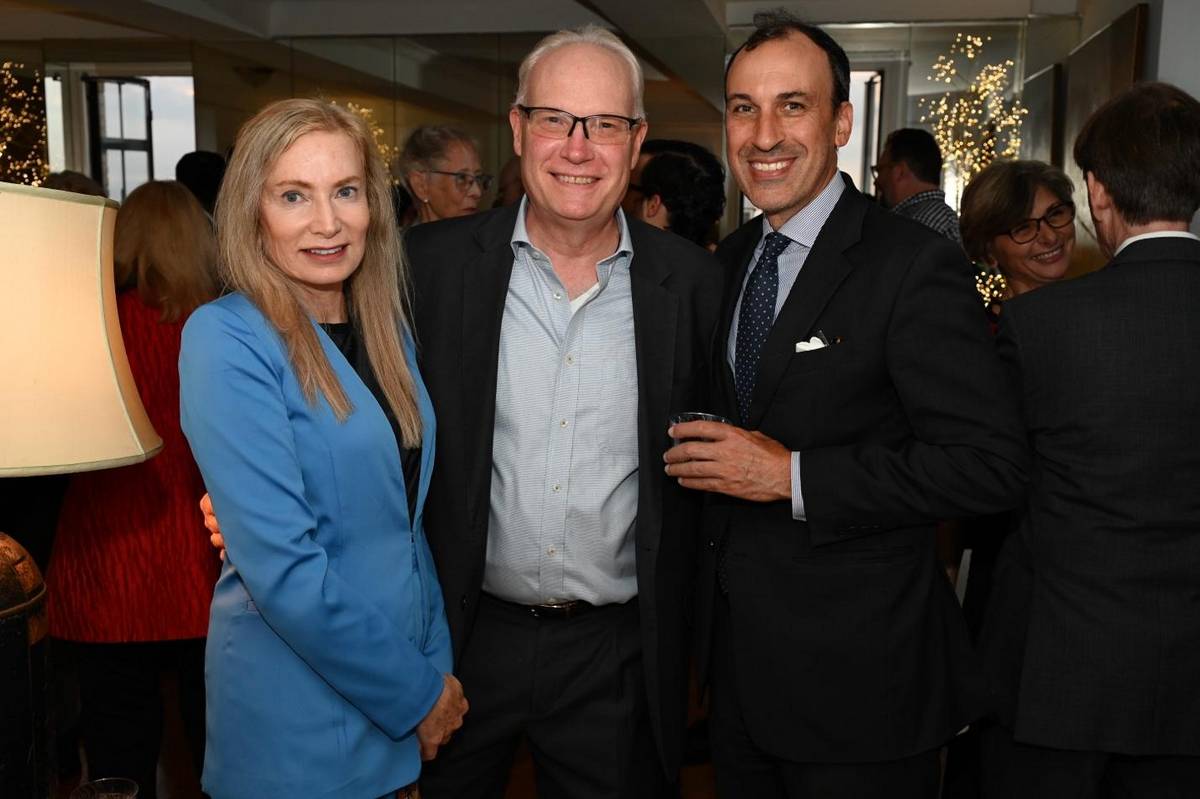
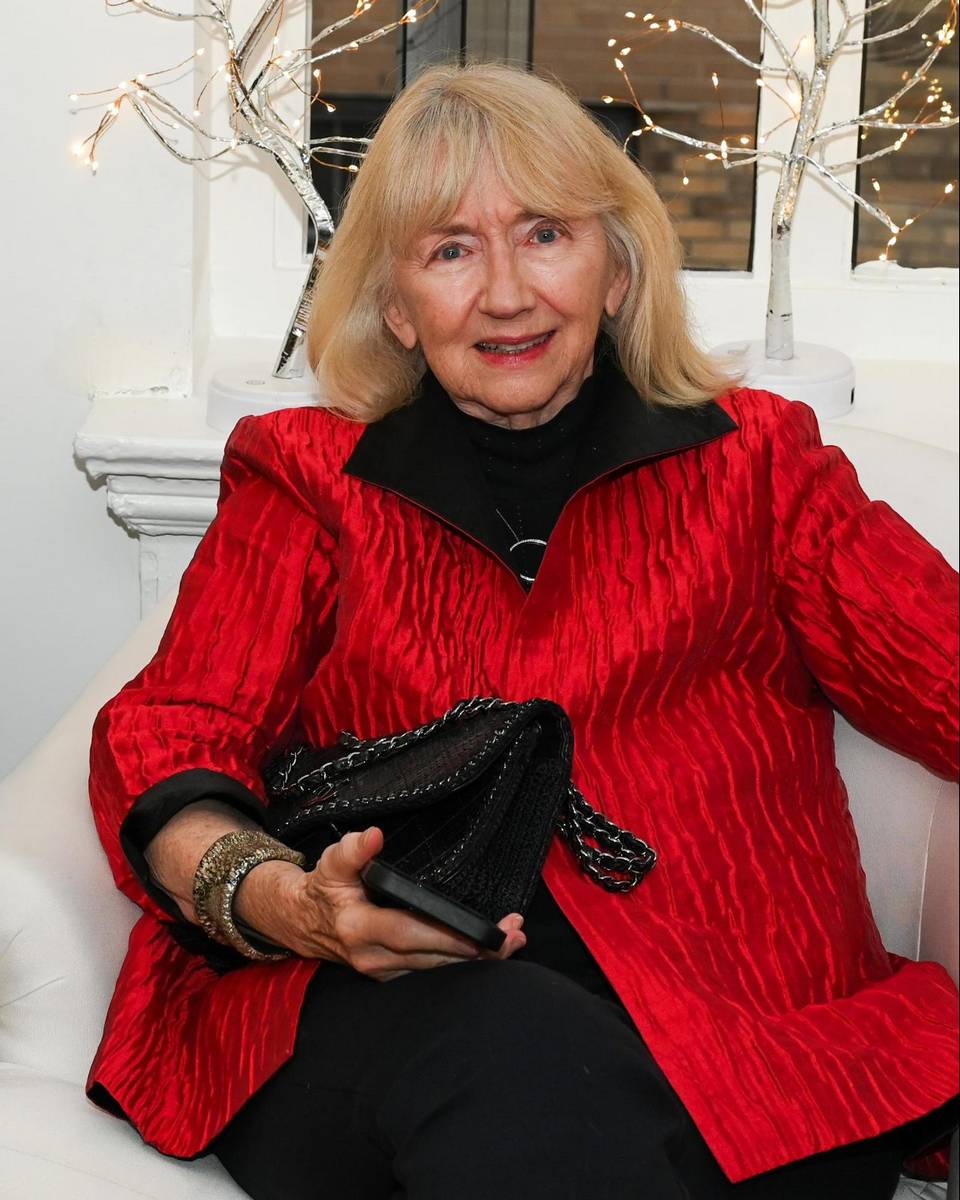
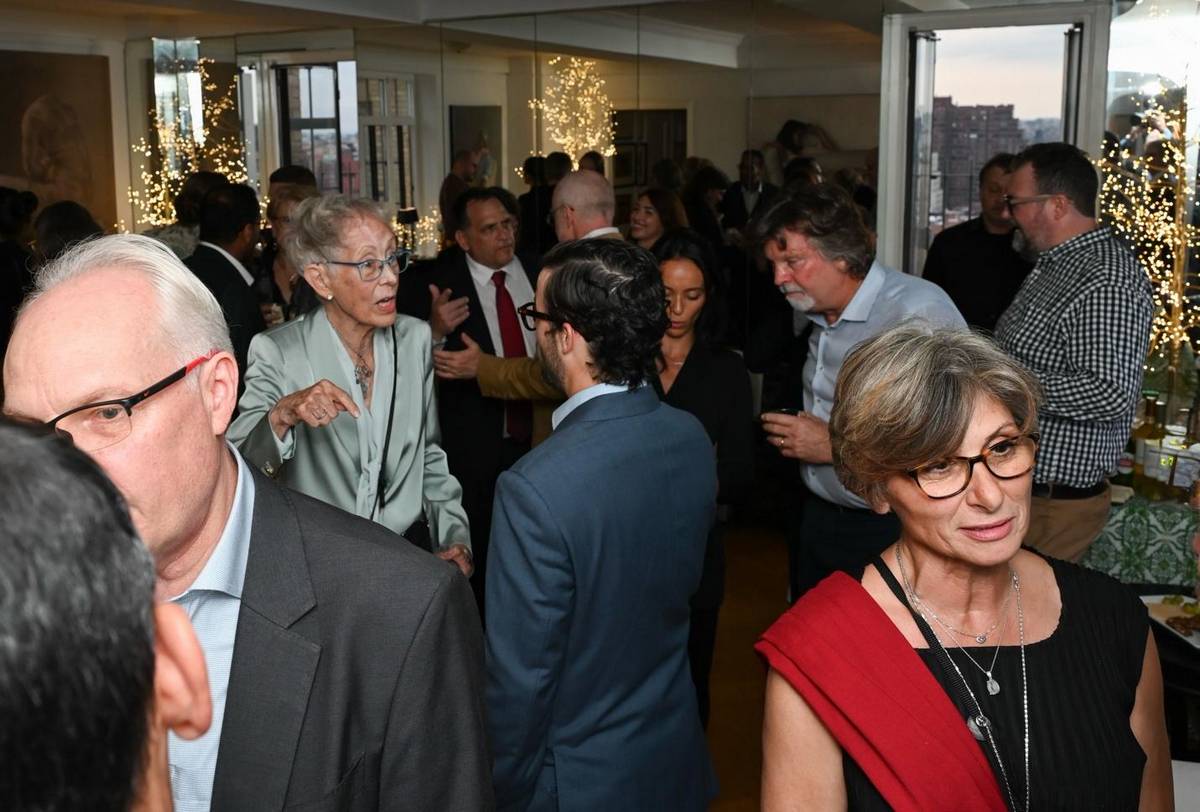
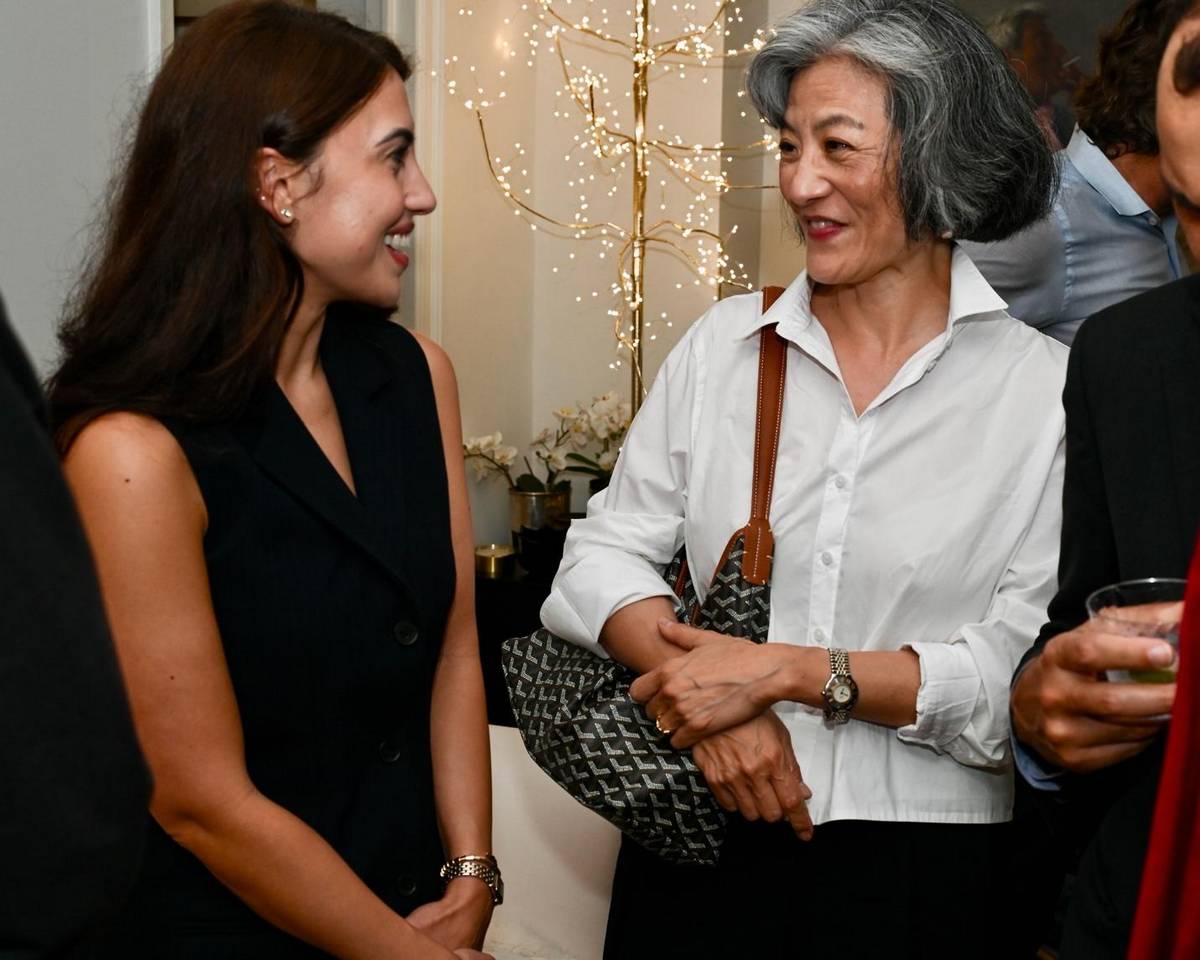
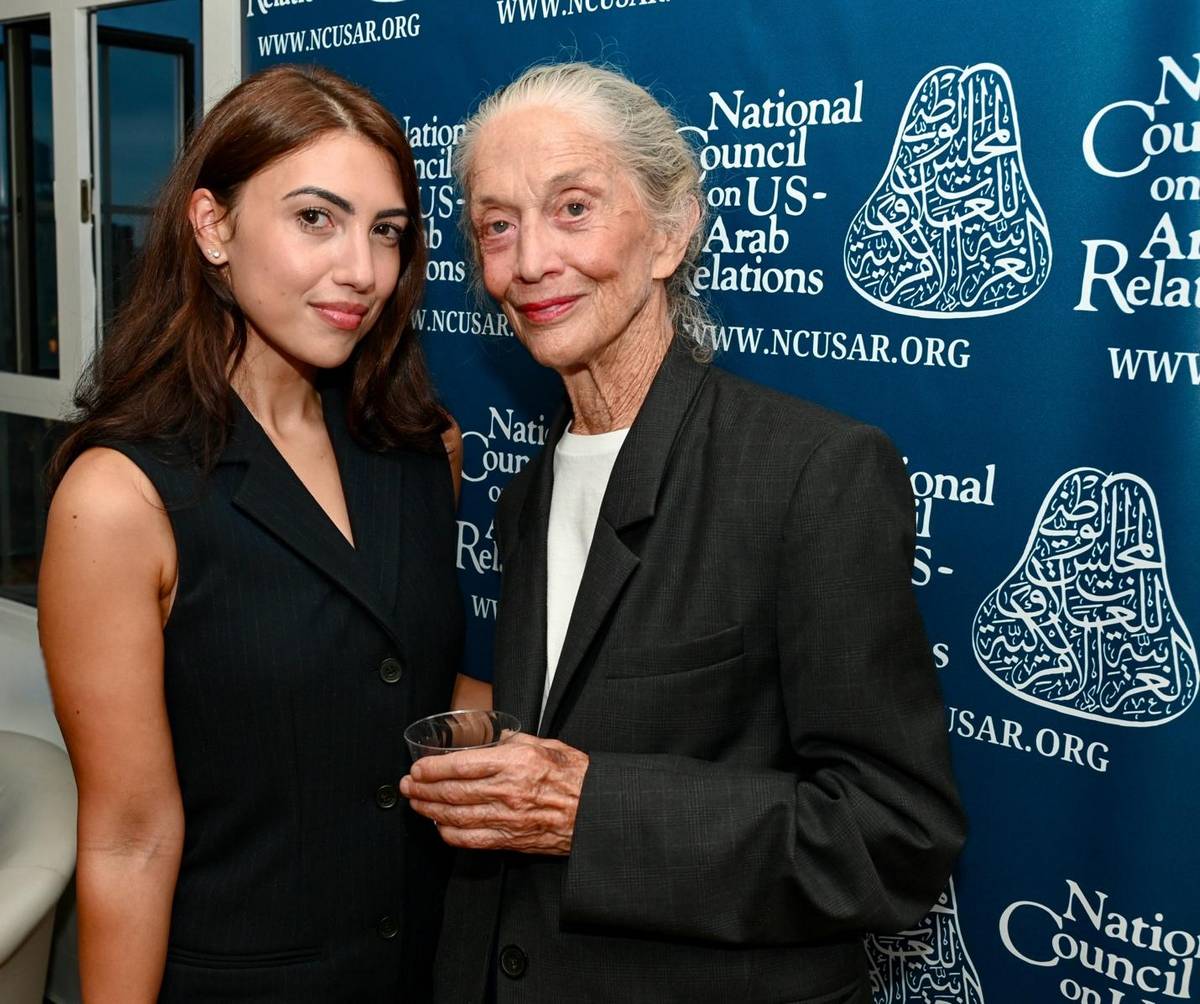
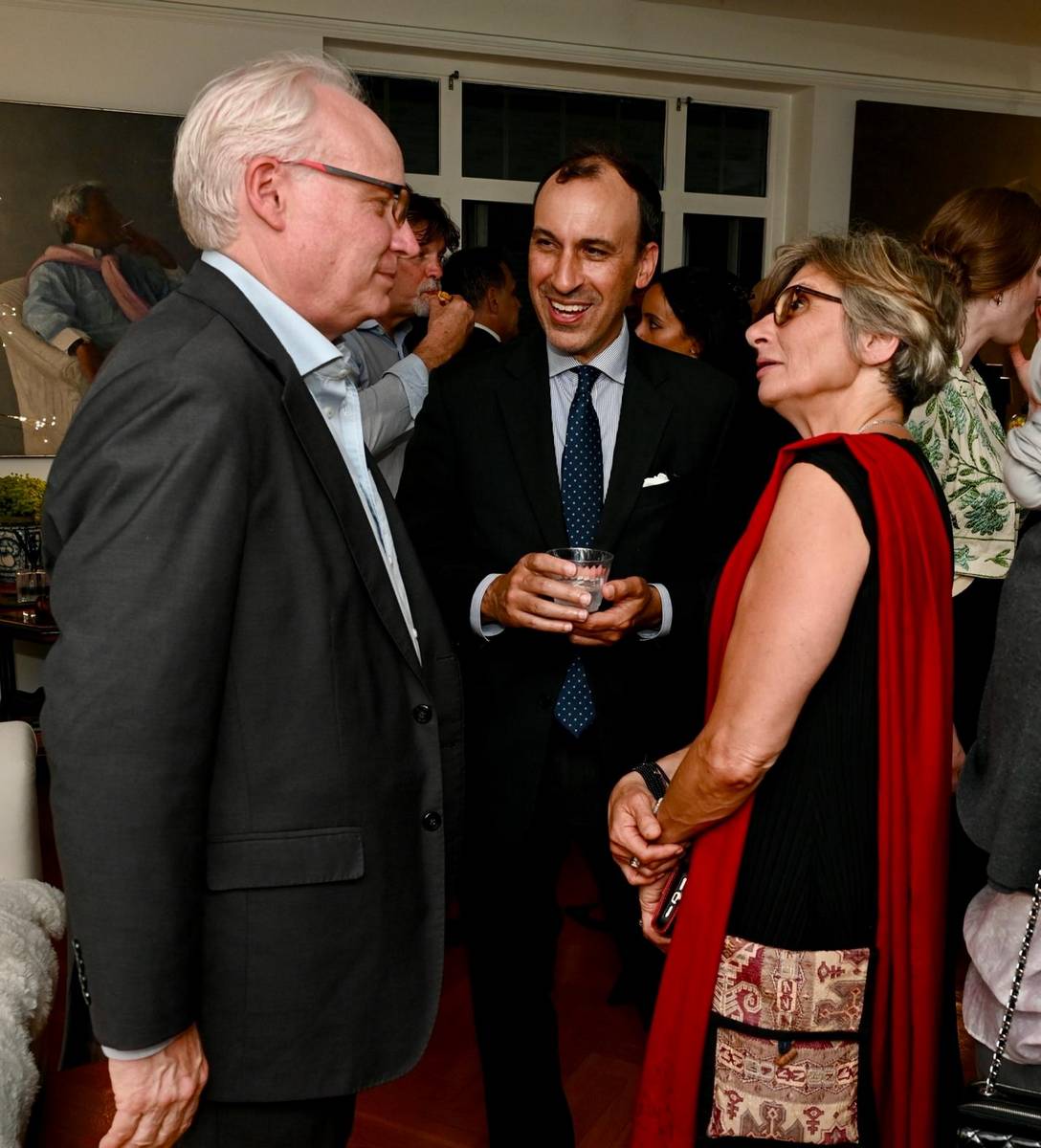
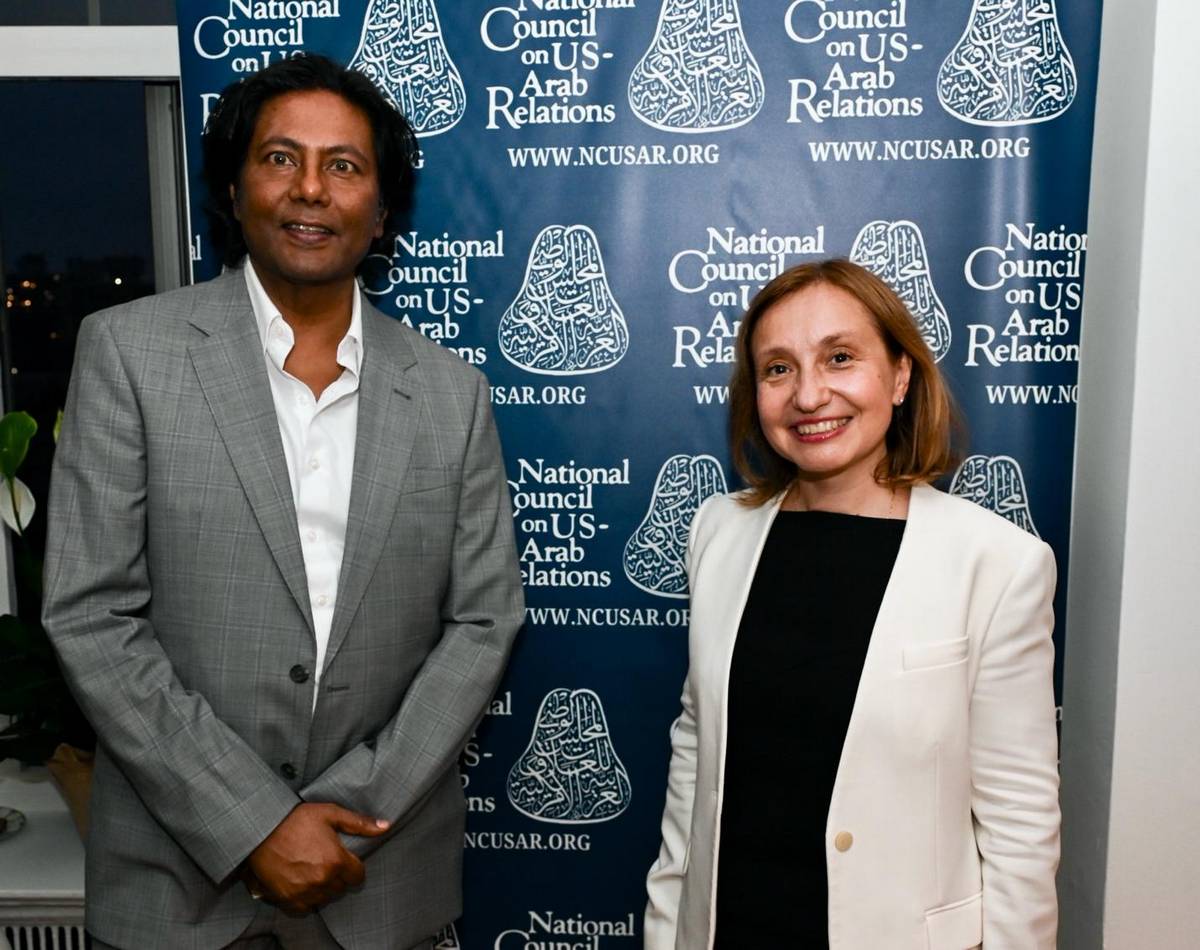
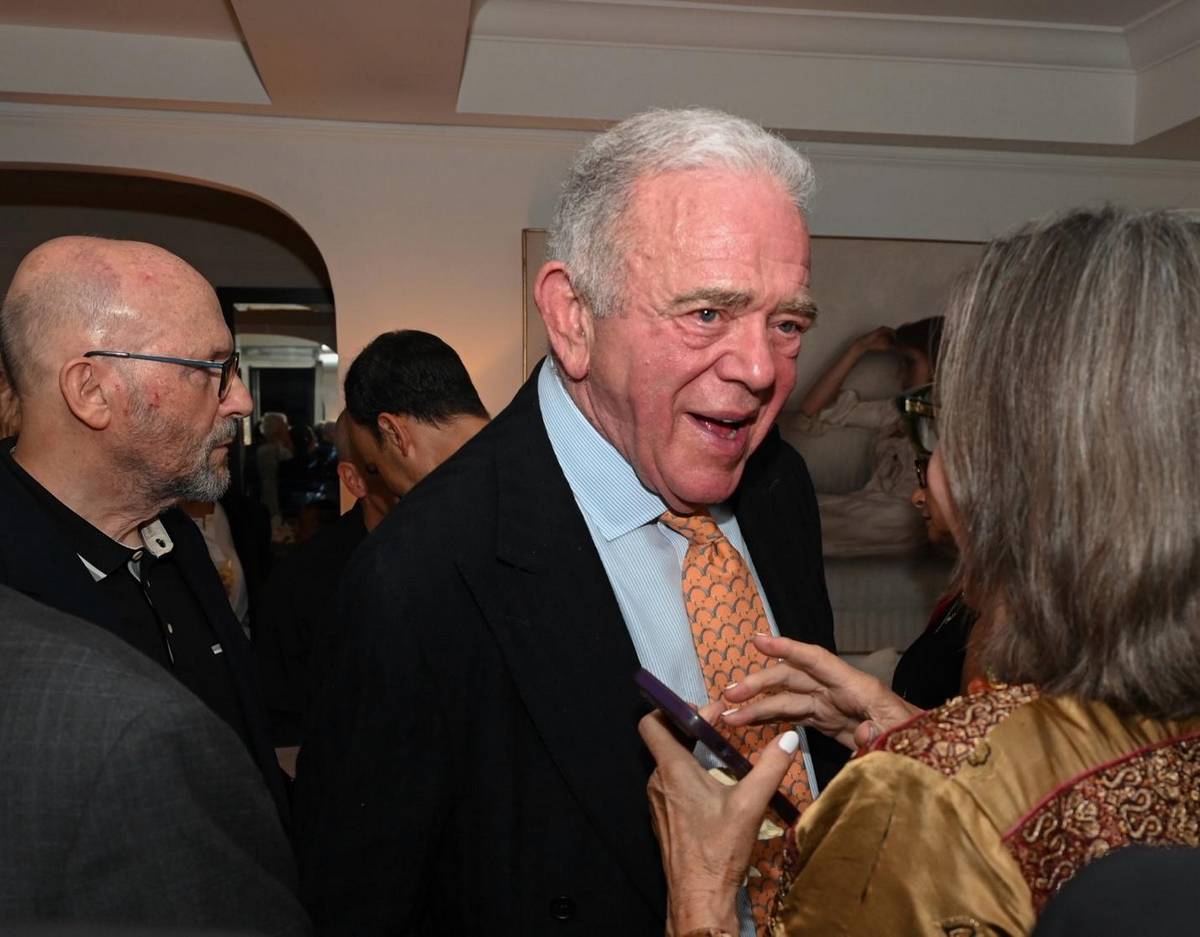
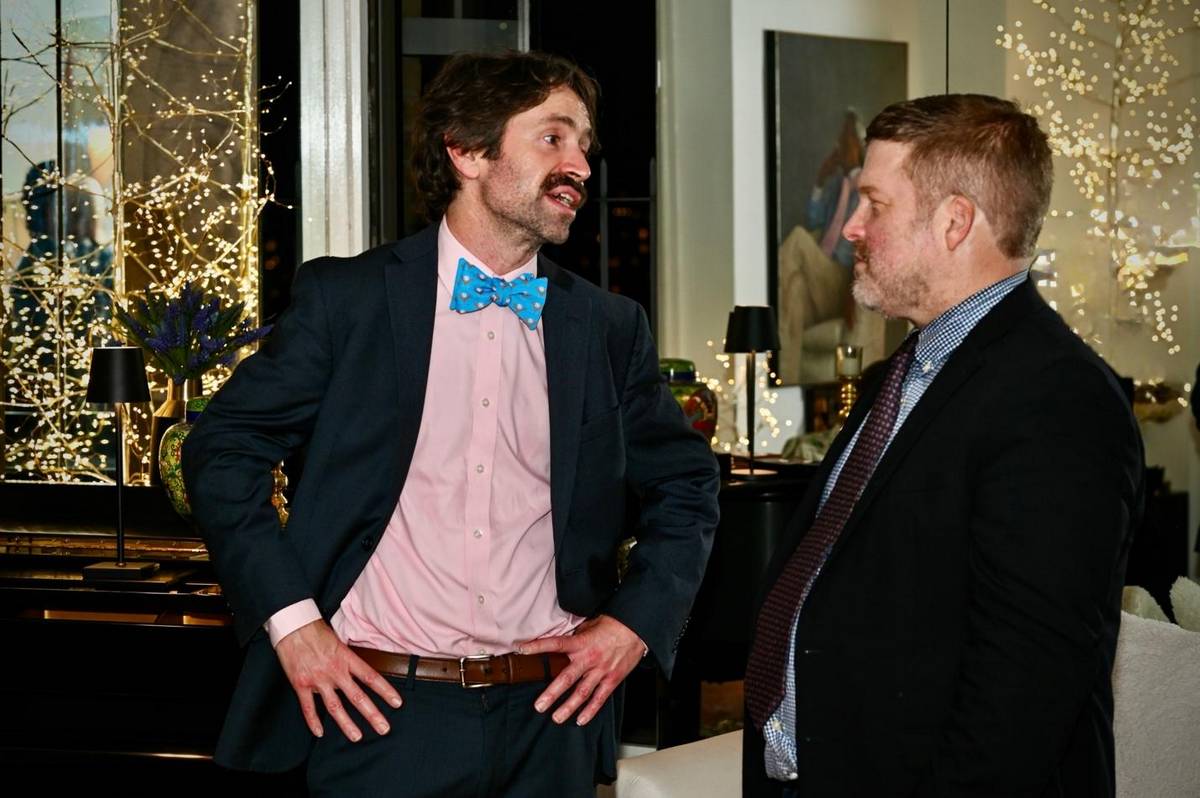
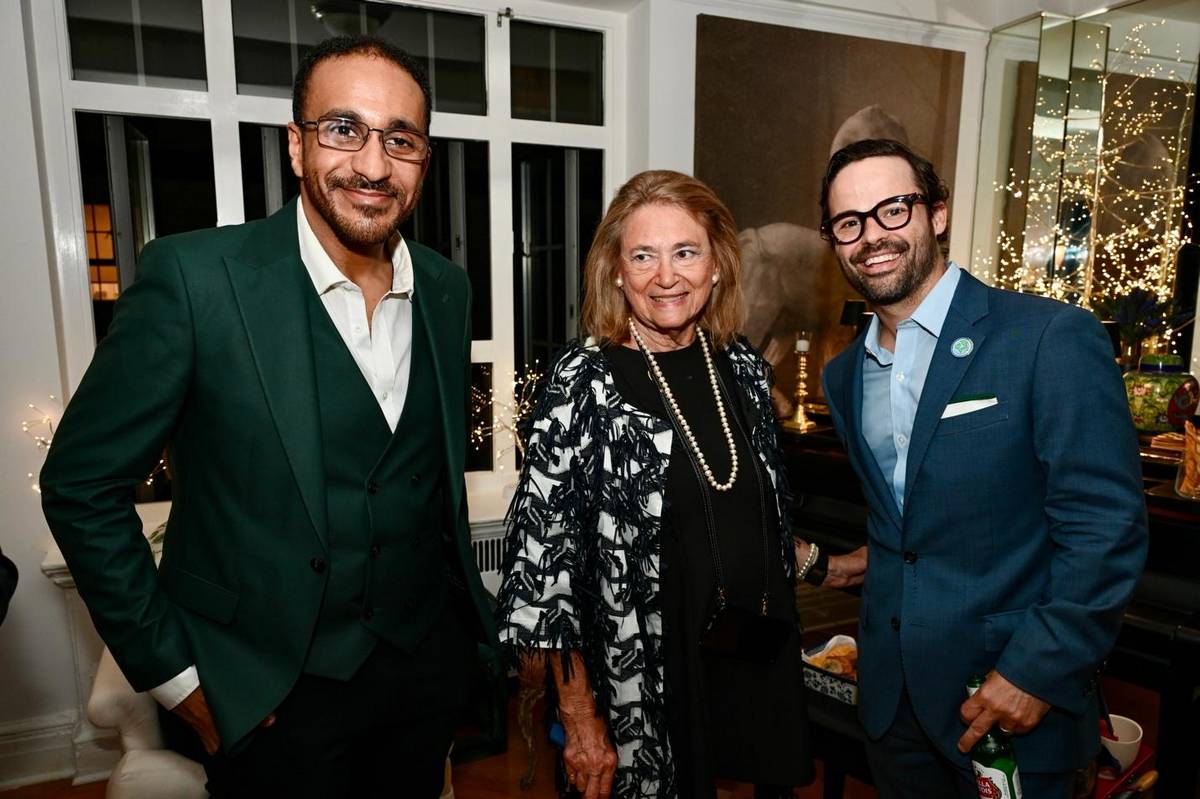
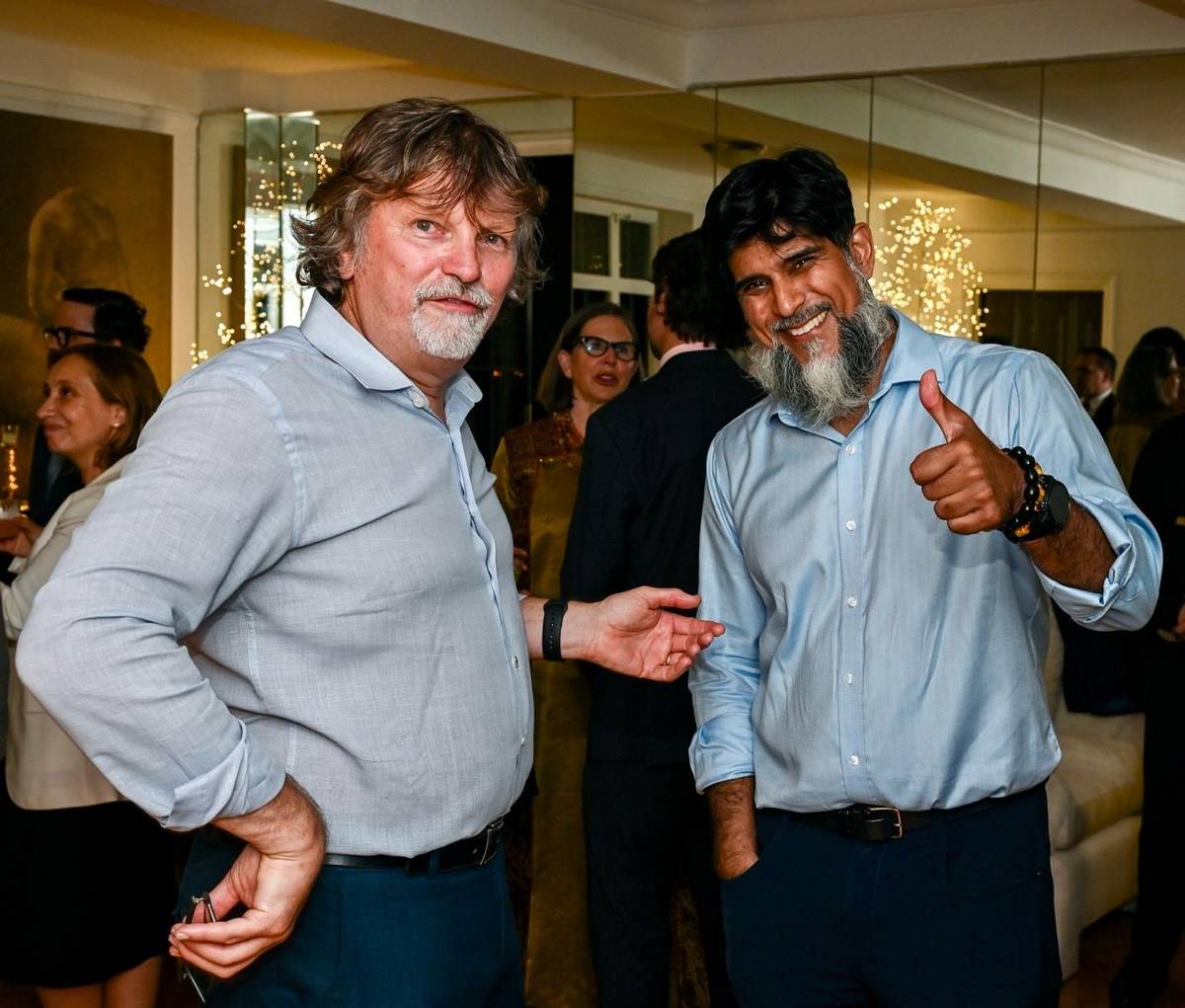
The Annual Meeting of the United Nations General Assembly (UNGA) prompts side events all over the region, and consistently one of New York City’s best evening receptions is organized by the National Council on U.S.-Arab Relations hosted at the Central Park West residence of Paige Peterson, who is a member of the Council’s Board.
The theme of UNGA this year was “Better Together: 80 years and more for peace, development and human rights.” Commemorative speeches throughout the week focused on how far the UN has come and how far it needs to go to reach humanity’s collective aspirations. Many of the speeches referred to the UN as the “conscience of humanity” and the “essential forum” for working through differences and finding common ground. The U.S. is the single largest UN contributor, accounting for 22% of the overall budget, as well as 25% of the peacekeeping budget and 40% of the humanitarian budget.
Much of the focus was on the 51 founding nations of the United Nations, and especially the first 29 that got their national ratification documents submitted on time when the UN began its work on October 24, 1945. (October 24 is United Nations Day around the world.) Five of the first 29 were the United States and the first four independent Arab states Egypt, Lebanon, Syria, and Saudi Arabia.
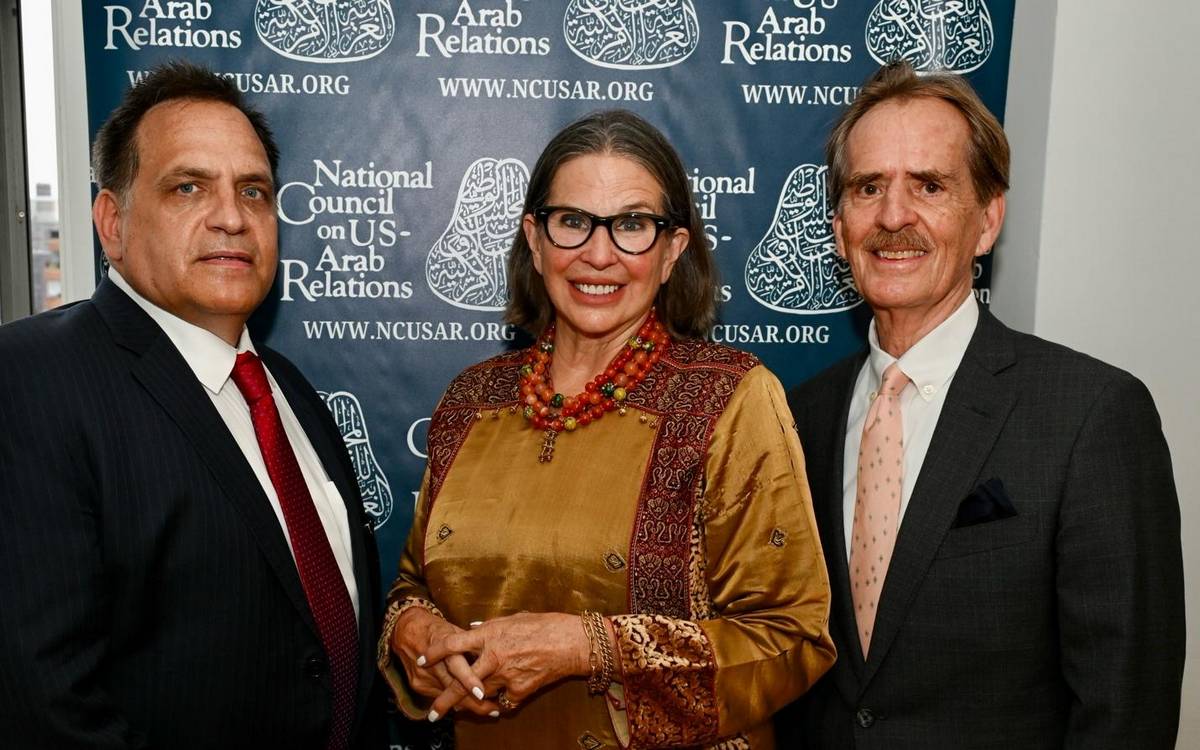
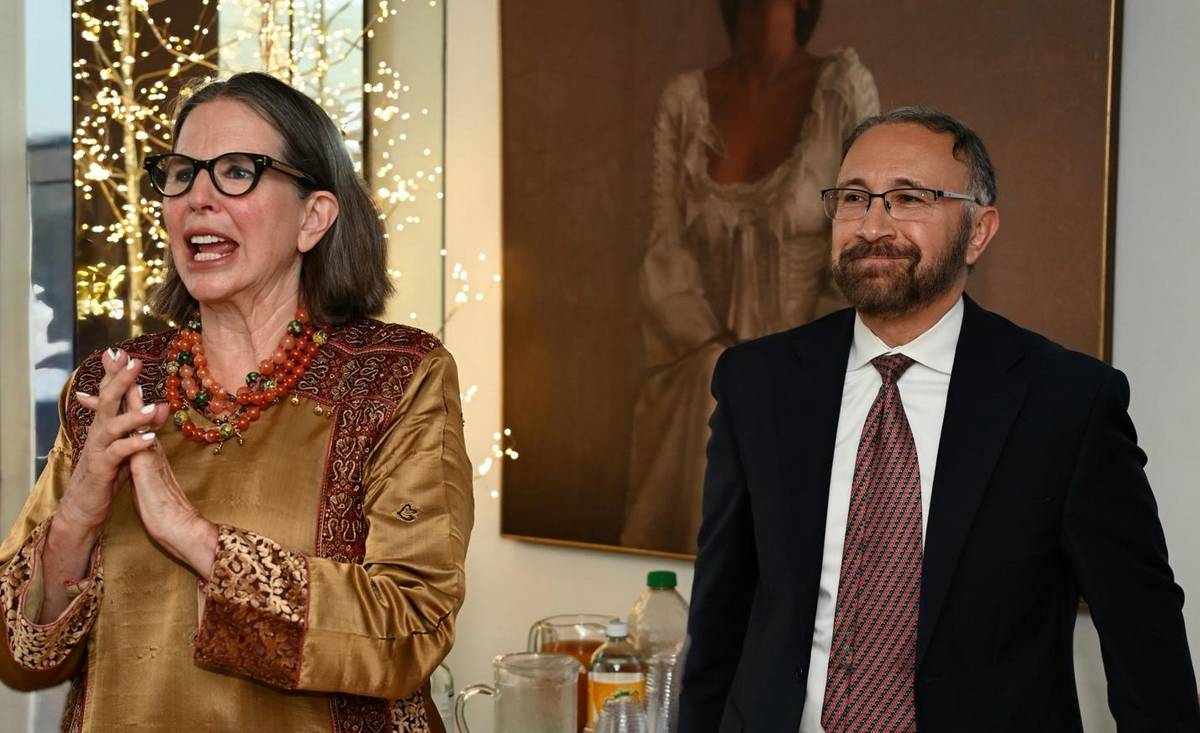
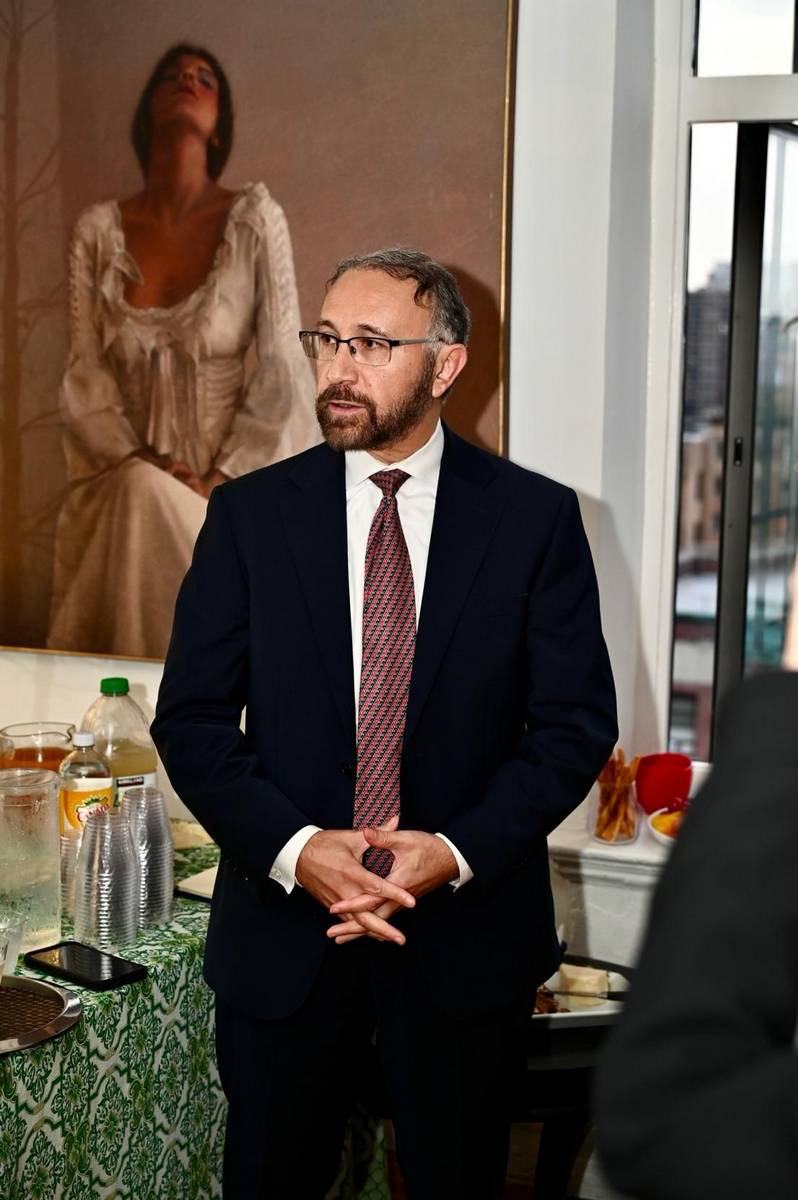
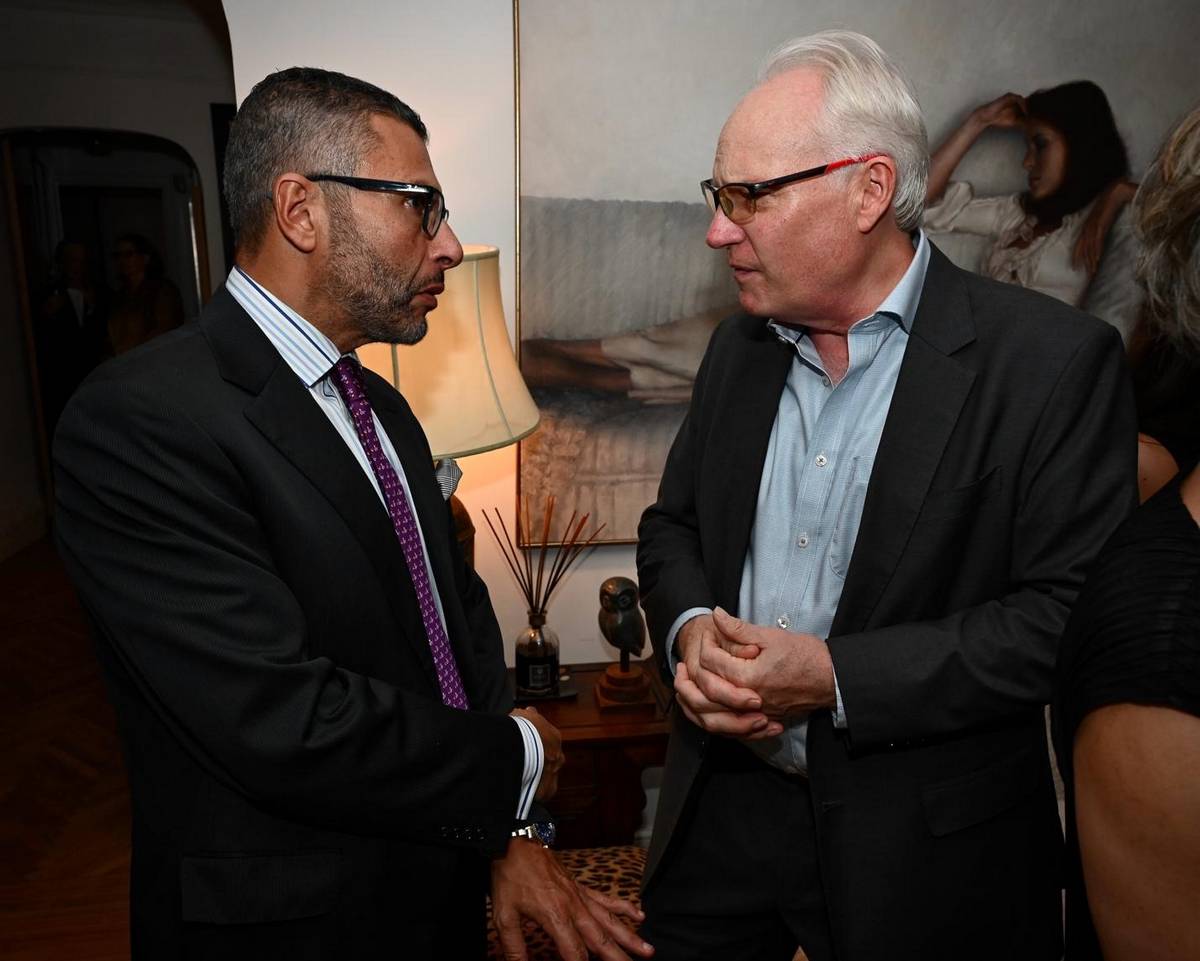
This year’s guest of honor was Fahad Nazer, official spokesperson for the Embassy of the Kingdom of Saudi Arabia to the United States. He commemorated the UN founding and the critical role played by the U.S. and Saudi Arabia in it and in working together since 1945 to seek peace and stability in the Middle East and in the global economy.
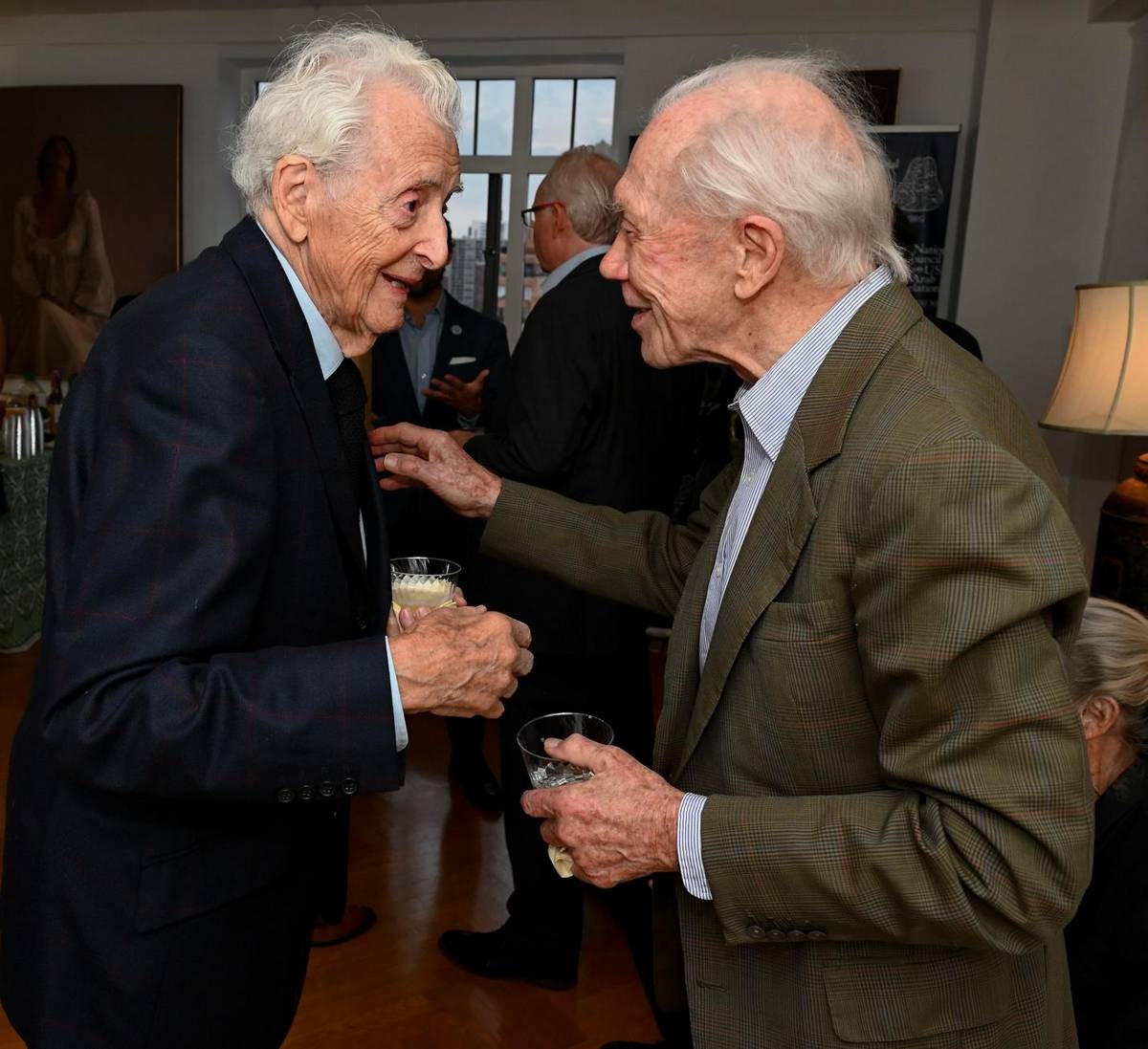
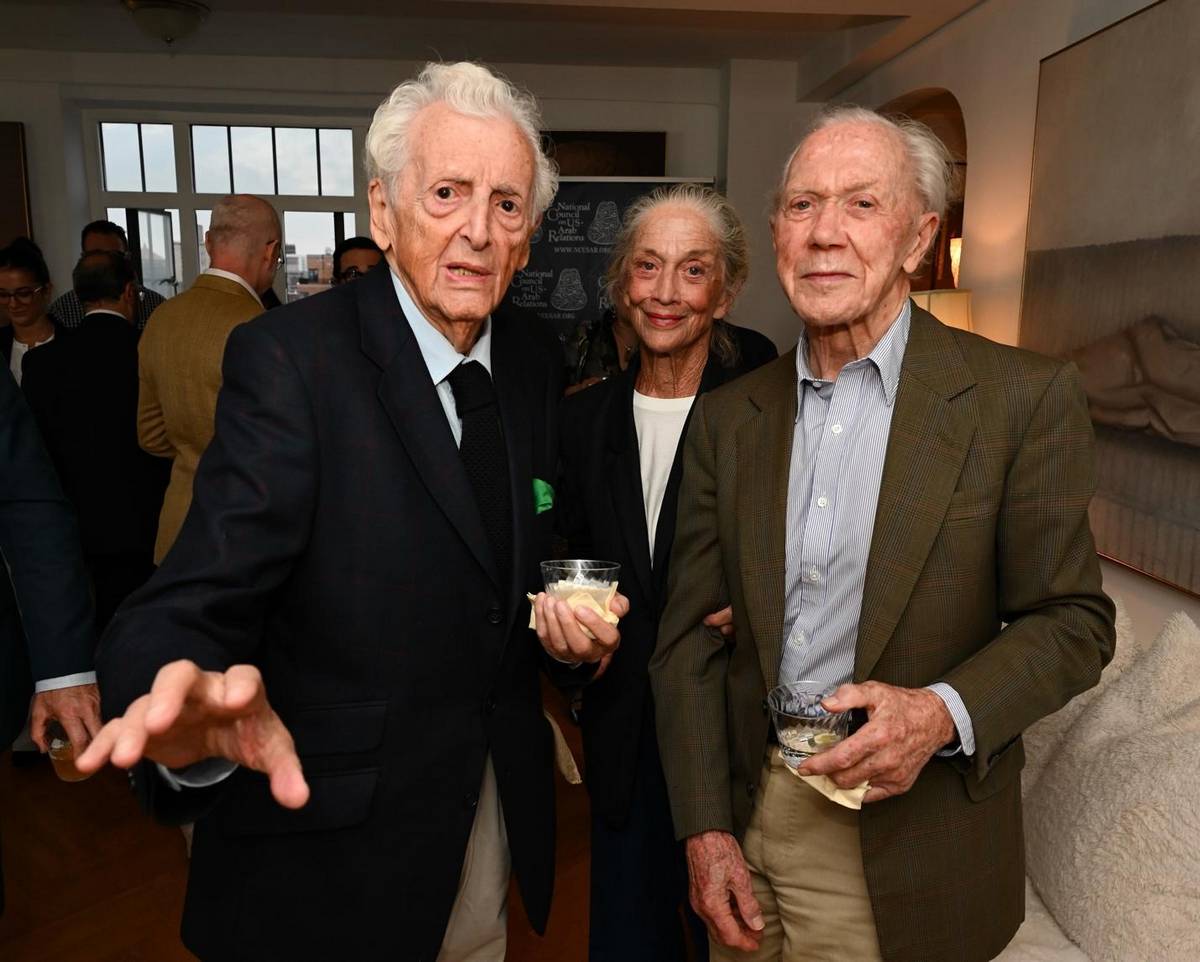
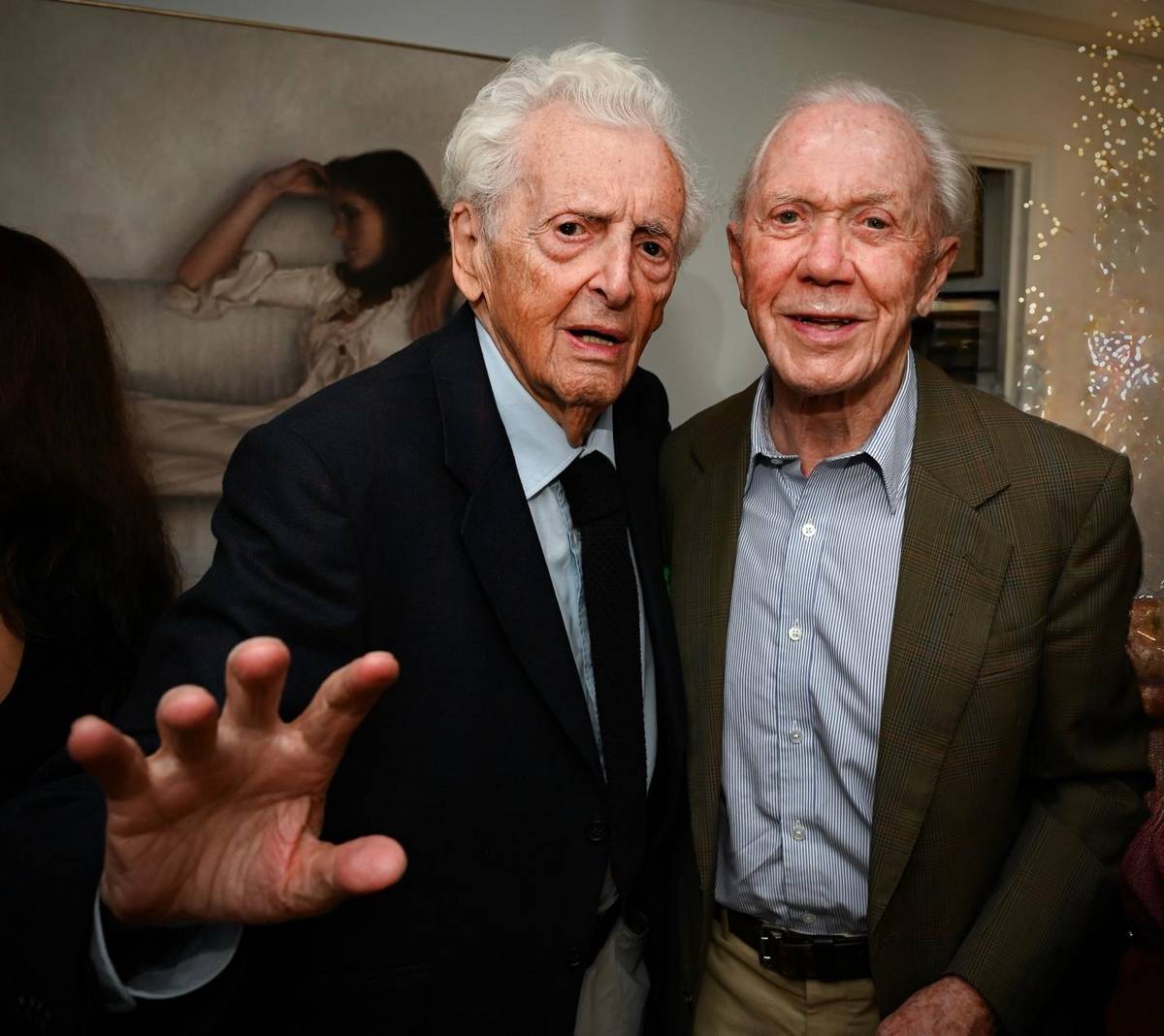
Beatles Photographer Harry Benson and Beatles Manager Peter Brown
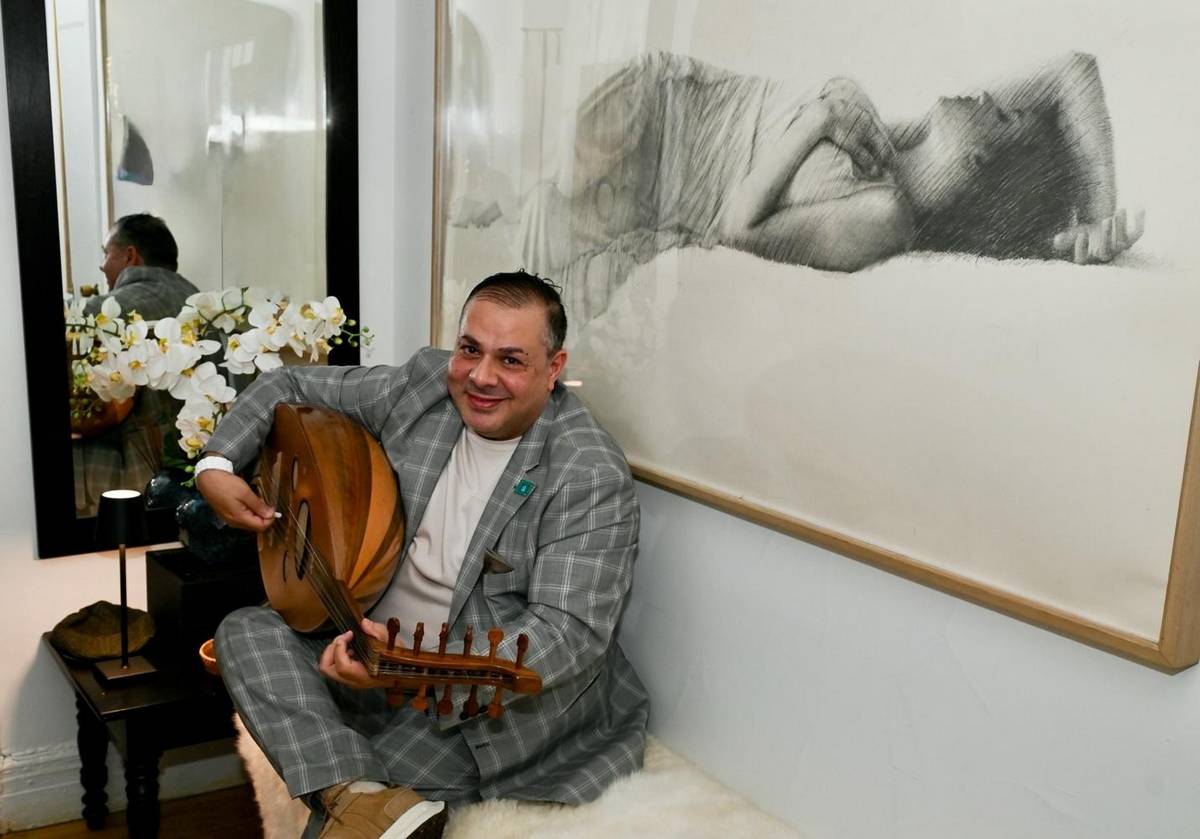
Guests were entertained to the live music and vocals of oud master Muath Edriss (al-oud, is the basis of the English word lute—a similar but not identical instrument). Edriss crooned traditional Arab love songs and also performed a rousing version of the Star Bangled Banner, which he has performed at the White House and Congress.
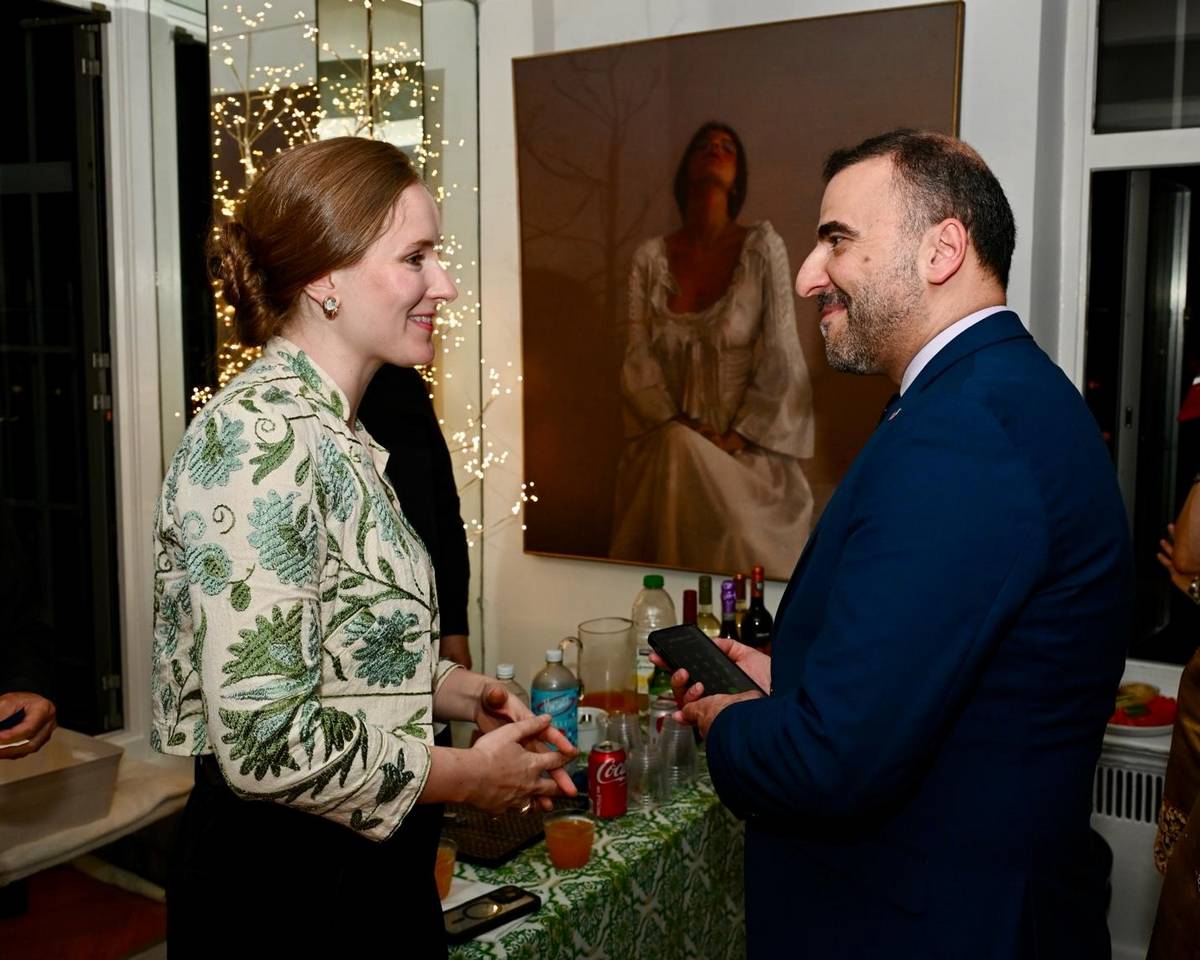
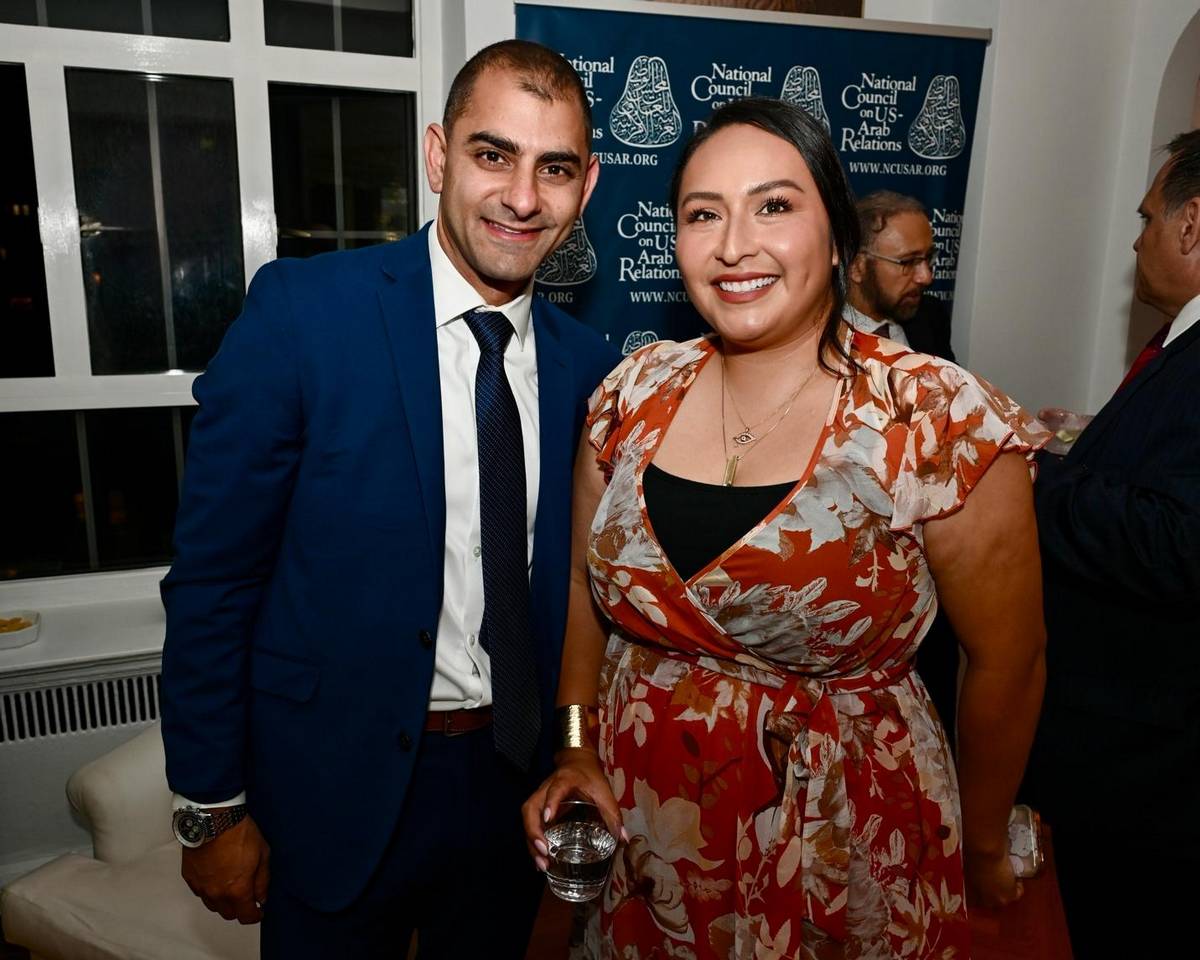
Paige Peterson Introduces Fahad Nazer’s Remarks on UNGA Week
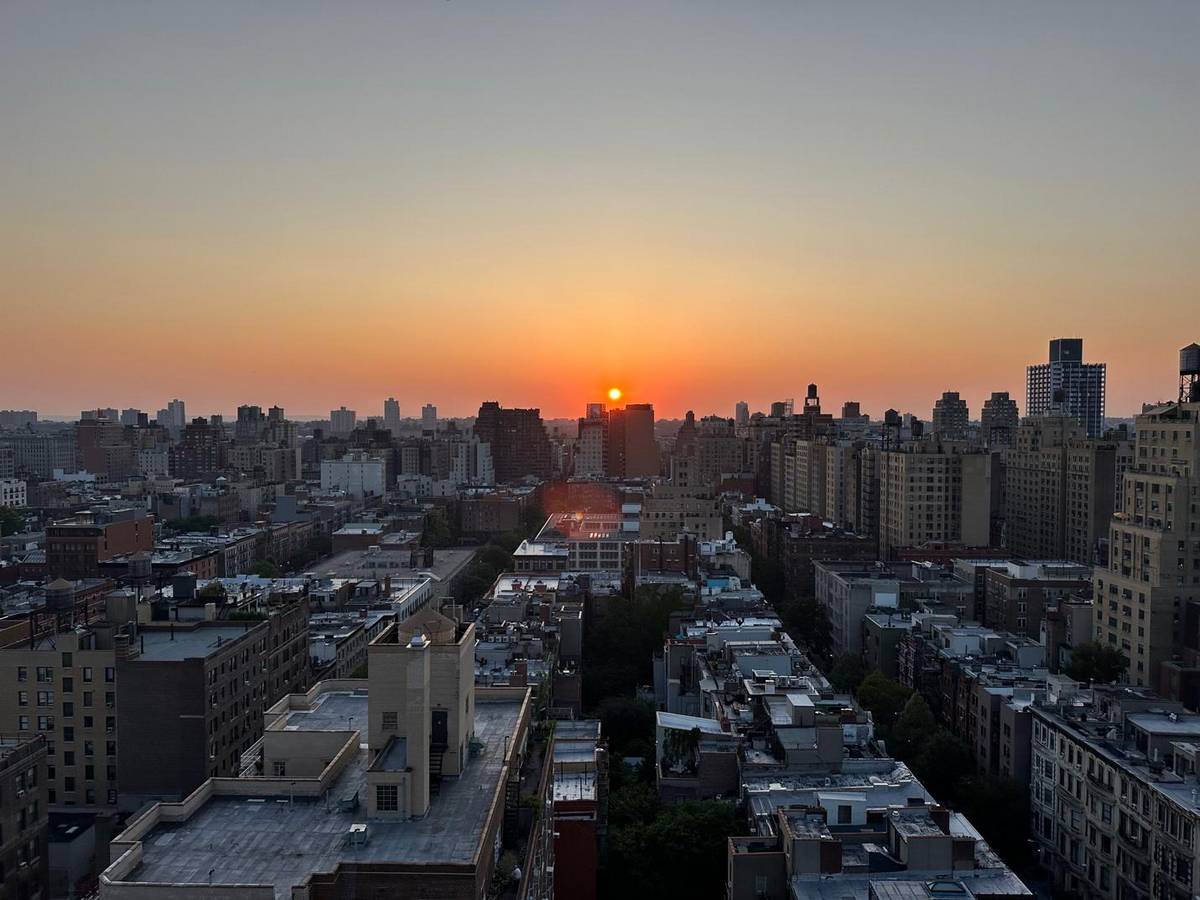
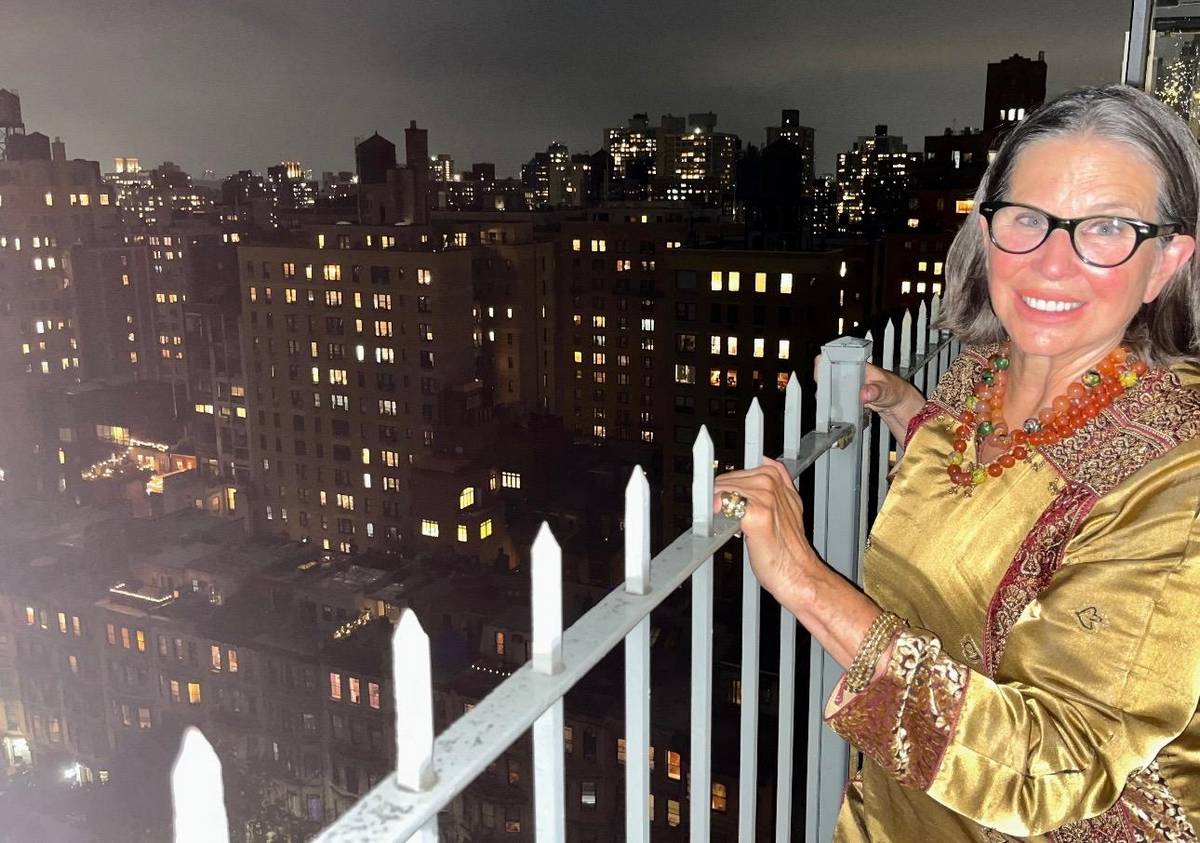
Looking towards the Hudson River
Photography by Jonathon Delano